
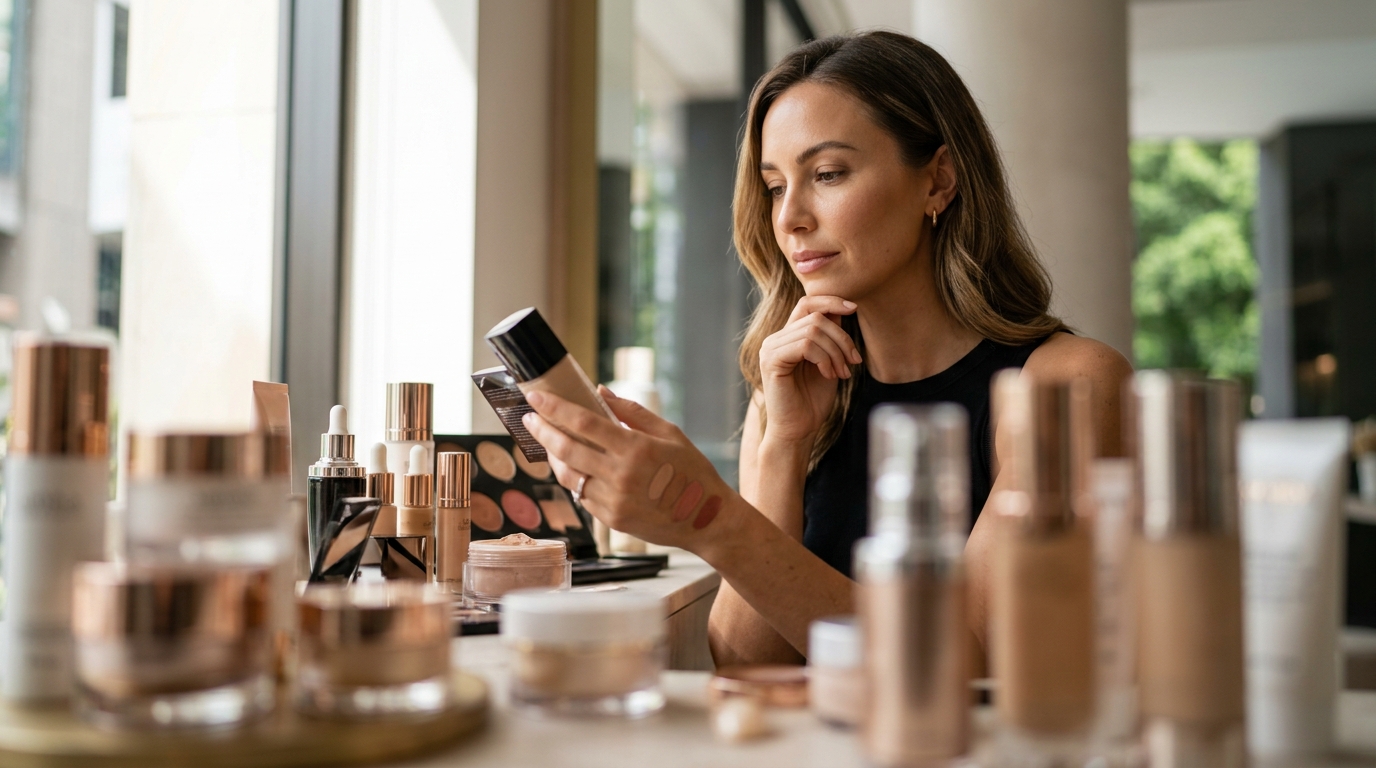
Picking the perfect cosmetics can feel overwhelming when shelves are stacked with thousands of options. The secret to getting it right every time? Start with your skin type. Whether your complexion runs oily, dry, combination, or sensitive, the products you reach for should work with your skin rather than against it. In this guide, we break down exactly how to identify your skin type, match cosmetics to your unique needs, and build a routine that keeps you looking radiant in Australia's demanding climate. Ready to take the guesswork out of your beauty routine? Let us walk you through it.
Identify Your Skin Type First
Skin type is a classification based on how much sebum (oil) your skin naturally produces. According to the American Academy of Dermatology, there are five primary skin types: oily, dry, normal, combination, and sensitive. Knowing which category you fall into is the essential first step before buying any cosmetic product.
The Simple Observation Test
Wash your face with a gentle cleanser, pat dry, and wait 30 minutes without applying any product. If your T-zone is shiny but cheeks feel tight, you likely have combination skin. An all-over shine points to oily skin, while tightness and flaking suggest dry skin. Redness or stinging after cleansing often indicates sensitivity.
Take a Skin Quiz
If you prefer a guided approach, Beauty Affairs offers a personalised skin analysis quiz that recommends products with nourishing ingredients tailored to your specific concerns and goals.
Best Cosmetics for Each Skin Type
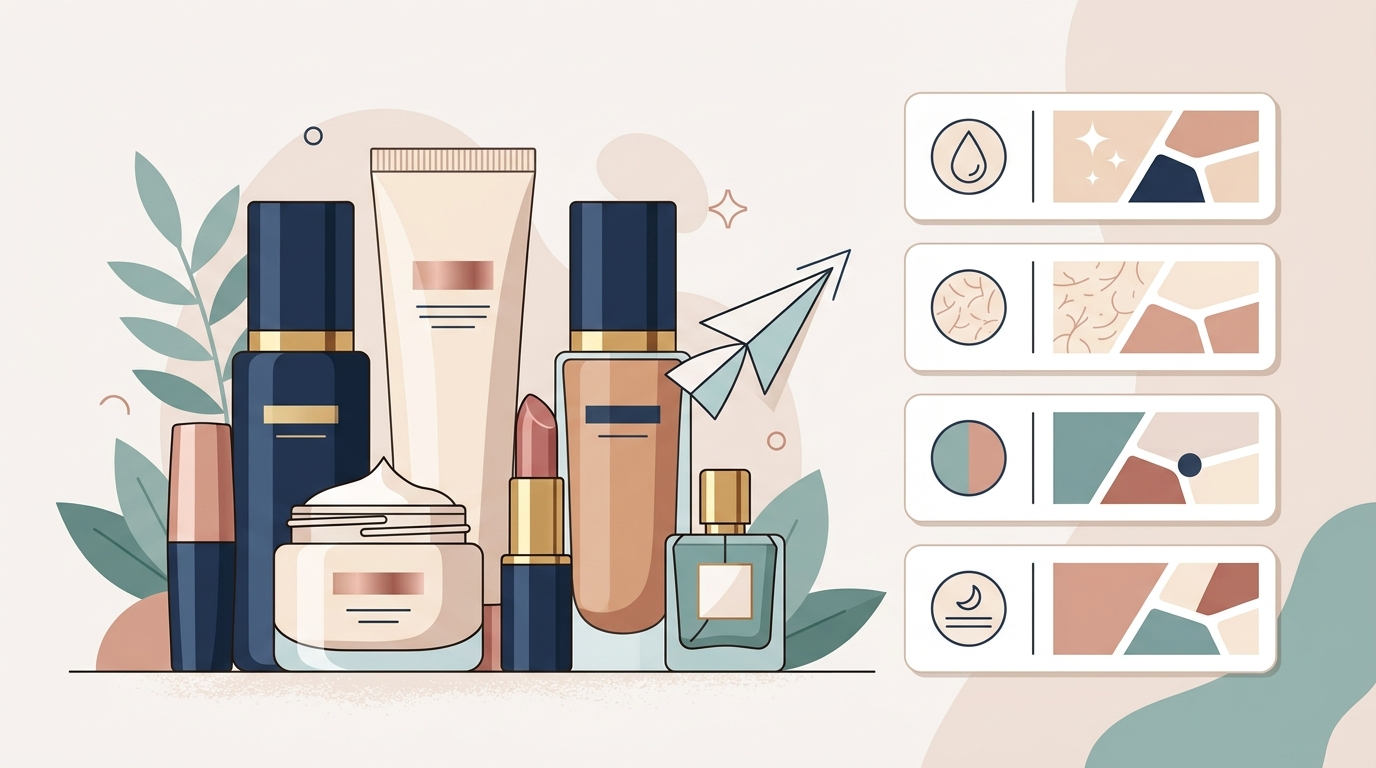
Once you know your skin type, choosing the right cosmetics becomes far simpler. The table below provides a quick reference for matching product formulas to each skin type.
| Skin Type | Ideal Foundation Formula | Recommended Finish | Key Makeup Ingredients |
|---|---|---|---|
| Oily | Powder or oil-free liquid | Matte | Niacinamide, salicylic acid, kaolin clay |
| Dry | Cream or serum foundation | Dewy / satin | Hyaluronic acid, ceramides, glycerin |
| Combination | Buildable liquid | Natural / semi-matte | Niacinamide, lightweight oils |
| Sensitive | Mineral or hypoallergenic liquid | Natural | Aloe vera, zinc oxide, chamomile |
| Normal | Any formula | Personal preference | Antioxidants, vitamin C |
The goal is always to select products designed for your specific skin type. Using the wrong formula, such as a mattifying powder on already dry skin, can make existing concerns worse.
Foundation Formulas Decoded
Foundation is a product applied to the face to create an even skin tone and serve as a base for the rest of your makeup. Choosing the right one depends on both your skin type and the coverage level you prefer.
Powder Foundations
Powder foundations are especially well suited for combination and oily skin because the extra powders help absorb excess skin oils, keeping skin matte and shine-free for longer. Browse the full range in the Beauty Affairs foundation collection.
Cream and Liquid Foundations
Cream foundations use a moisturising base, which makes them better for normal to dry skin. They offer versatile application: fingers melt product into the skin for a natural look, a damp sponge builds coverage, and a brush delivers a flawless high-coverage finish.
Mineral Foundations
Mineral foundation is a cosmetic made primarily from finely ground minerals like zinc oxide and titanium dioxide. Dermatologists often recommend mineral options for sensitive or acne-prone skin because they typically contain fewer ingredients and are less likely to clog pores.
Key Ingredients to Look For (and Avoid)
Modern cosmetics often double as skincare. Knowing which ingredients to seek out can turn your daily makeup routine into a skin-nourishing ritual.
Ingredients to Embrace
- Hyaluronic acid: A powerful humectant that attracts and retains moisture in the skin. Ideal in foundations and primers for dry skin.
- Niacinamide: Helps balance oil production and soothe dry patches, making it a versatile ingredient across skin types. Explore products featuring this ingredient in the luxury skincare collection.
- Zinc oxide: Provides physical sun protection and calms irritation, perfect for sensitive skin.
- Ceramides: Help rebuild the skin's natural lipid layer, increasing moisture and soothing irritation.
Ingredients to Avoid
- Fragrance: A known irritant, especially problematic for sensitive and acne-prone skin.
- Alcohol (denatured): Can strip natural oils and worsen dryness.
- Heavy comedogenic oils: May clog pores in oily or combination skin types.
Always look for labels that say "non-comedogenic" or "hypoallergenic" when shopping for cosmetics. These terms indicate the product is formulated to minimise pore-clogging and irritation risk.
Cosmetics and Australia's Climate
Australia's intense UV exposure and hot summers create unique challenges for makeup wear. Heat boosts oil production and breaks down makeup faster than in milder climates. The solution is using the right foundation formula for your skin type alongside a good primer and setting powder.
Sunscreen is non-negotiable regardless of skin type. Choose a broad-spectrum SPF 30 or higher that layers well under makeup. A setting spray can also help lock everything in place on humid days. For tips on protecting ageing skin from environmental damage, read the Beauty Affairs guide to slowing the ageing process.
How to Build a Skin-Friendly Makeup Routine
A great cosmetics routine does not need to be complicated. Start with the basics and layer in targeted products once you are confident in your skin type.
- Cleanse: Remove impurities with a cleanser suited to your skin type. Sensitive skin benefits from a gentle, fragrance-free formula. Oily skin responds well to a foaming or gel cleanser. For guidance, see the beginner skincare routine guide.
- Moisturise: Hydrated skin provides a smoother canvas for makeup. Dry skin calls for a rich, emollient moisturiser, while oily skin does best with a lightweight, oil-free formula.
- Prime: A primer fills fine lines and pores, helping foundation adhere longer.
- Apply foundation: Choose the formula and finish that match your skin type (refer to the table above).
- Set: Use a translucent powder on oily zones and a setting spray for all-over hold.
If you have sensitive skin concerns, patch-test every new product on a small area before applying it to your full face.
Key Takeaways
- Identify your skin type (oily, dry, combination, sensitive, or normal) before purchasing any cosmetic product.
- Match foundation formulas to your skin: powder for oily, cream for dry, mineral for sensitive.
- Look for skin-friendly ingredients like hyaluronic acid, niacinamide, and ceramides in your cosmetics.
- Avoid fragrance, denatured alcohol, and heavy comedogenic oils if your skin is reactive.
- Always wear broad-spectrum SPF 30+ under makeup, especially in the Australian climate.
- Start with a simple routine of cleanse, moisturise, prime, apply, and set, then build from there.
- When in doubt, take a personalised skin quiz or consult a dermal specialist for tailored recommendations.
Frequently Asked Questions
How do I know what skin type I have?
Wash your face, wait 30 minutes, and observe. Shine across the whole face suggests oily skin; tightness and flaking point to dry skin; shine only in the T-zone indicates combination skin; and redness or stinging signals sensitive skin. You can also take the Beauty Affairs skin quiz for a guided assessment.
Can I use the same foundation year-round in Australia?
Australia's climate shifts significantly between seasons. You may need a lighter, more mattifying formula in summer and a more hydrating cream foundation in winter. Adjusting your formula helps your makeup perform better and protects your skin.
What does non-comedogenic mean?
Non-comedogenic is a term used to describe products formulated so they are unlikely to clog pores. This label is especially important for people with oily or acne-prone skin when choosing foundation and concealer.
Is mineral makeup better for sensitive skin?
Mineral makeup is often recommended by dermatologists for sensitive skin because it typically contains fewer ingredients and uses physical blockers like zinc oxide, which are less likely to cause irritation compared to chemical alternatives.
Should I wear sunscreen under makeup?
Yes. Dermatologists recommend daily use of a broad-spectrum SPF 30 or higher sunscreen regardless of skin type. Apply it as the last step of your skincare routine, before primer and foundation.
How often should I replace my cosmetics?
Liquid foundations and concealers generally last 6 to 12 months once opened. Powder products can last up to two years. Mascara should be replaced every three months to reduce the risk of bacterial contamination.
What is the best foundation type for combination skin?
A buildable-coverage liquid foundation works well for combination skin because you can apply a lighter layer on oily areas and build coverage on drier patches. Pairing it with a mattifying powder on the T-zone creates a balanced, natural finish.
Where can I get personalised cosmetics advice?
Beauty Affairs offers a free skin analysis quiz online and personalised consultations at their medispa locations across Sydney. Visit the makeup collection to explore curated options for every skin type.
Find Your Perfect Match Today
Choosing the right cosmetics does not have to be a guessing game. Take the Beauty Affairs skin quiz now to receive personalised product recommendations tailored to your skin type, concerns, and beauty goals. Plus, enjoy three free samples with every order and free shipping on orders over $179.