
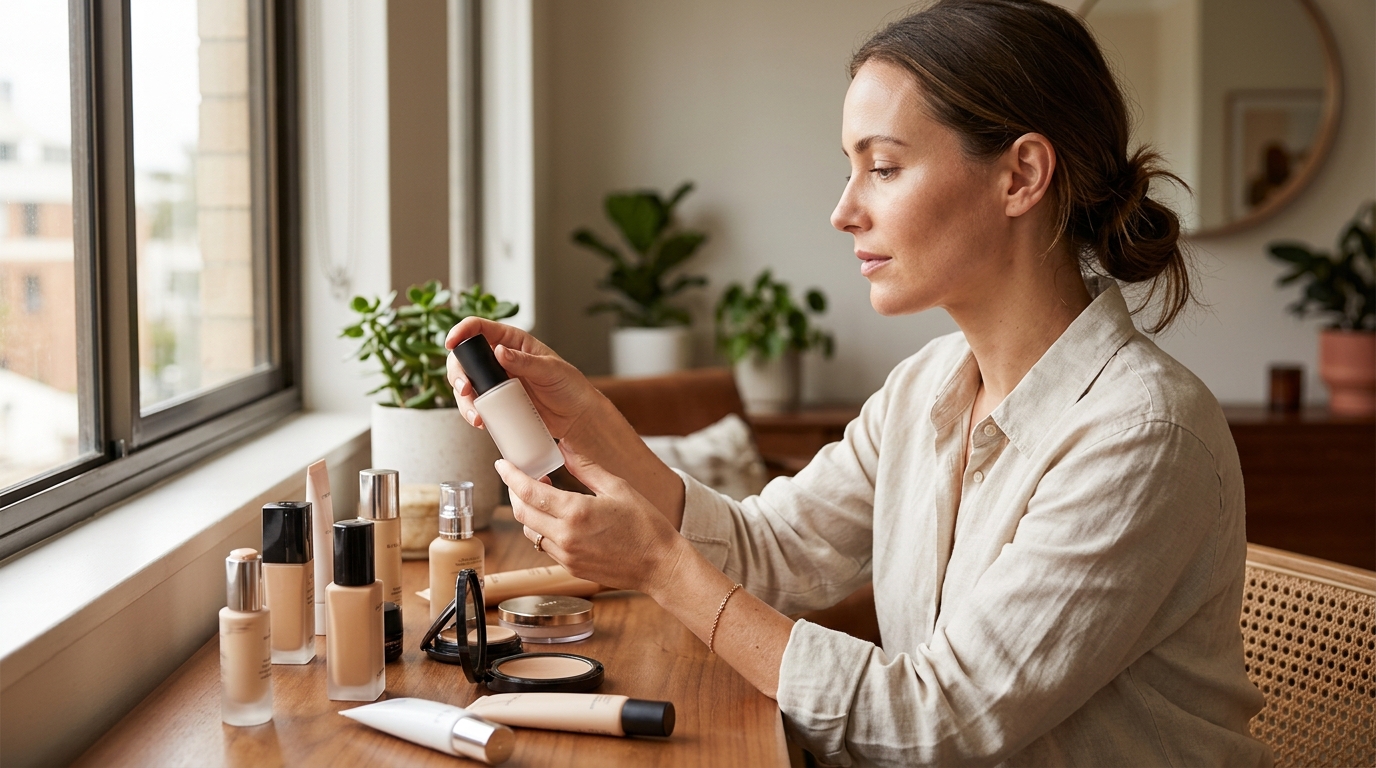
How to Choose the Right Cosmetics for Your Skin Type
Picking cosmetics that actually work for you starts with one simple step: knowing your skin type. With countless foundations, primers, moisturisers, and serums on the market, the wrong choice can lead to breakouts, dryness, or an oily mess by midday. Whether you have dry, oily, combination, or sensitive skin, matching your cosmetics to your unique needs will deliver a flawless finish and healthier skin over time. In this guide, we walk you through how to identify your skin type and select the perfect products for every step of your routine.
Step 1: Identify Your Skin Type
Skin type is a classification based on how much sebum (oil) your skin naturally produces. According to the American Academy of Dermatology, there are five primary skin types: oily, dry, normal, combination, and sensitive.
The easiest at-home test is to cleanse your face and leave it bare for about an hour. If your T-zone is shiny but your cheeks feel tight, you likely have combination skin. If your entire face feels slick, you are probably oily. Tightness and flaking point to dry skin, while stinging or redness after product application may signal sensitivity.
Beauty Affairs offers a free skin type guide and an online skincare quiz to help you pinpoint your type before you shop.
Step 2: Understand Product Formulas
A product formula is the specific combination of base ingredients, active compounds, and textures designed for a particular purpose. Not all formulas suit every skin type.
Liquids vs. Powders vs. Creams
Liquid foundations offer buildable coverage and work for most skin types. Powder formulas are best for oily and combination skin because they absorb excess oil throughout the day. Cream-based products deliver rich hydration, making them ideal for normal to dry skin.
Primers Matter
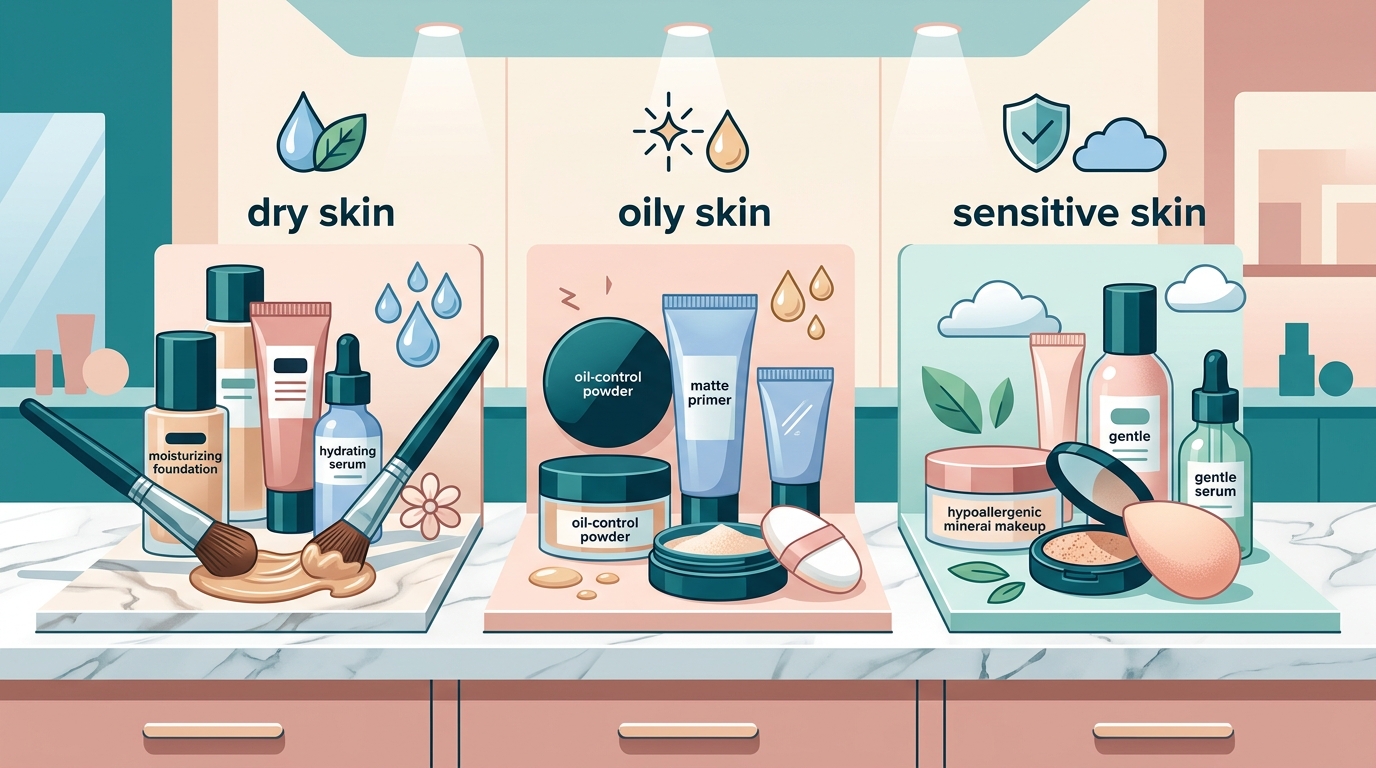
There are different makeup primers for different skin types. Oil-controlling primers keep oily skin matte, while hydrating primers prevent dry patches from appearing under foundation.
Step 3: Choose Foundation by Skin Type
Matching your foundation formula to your skin type is the single most important cosmetic decision you will make. A mismatch causes caking, oxidation, or midday breakdown.
- Dry skin: Opt for hydrating liquid or serum foundations with ingredients like hyaluronic acid. Tinted moisturisers also work beautifully.
- Oily skin: Look for matte-finish, oil-free, and non-comedogenic formulas. Powder foundations reduce shine effectively.
- Combination skin: Buildable coverage foundations balance both oily and dry zones. A light setting powder on the T-zone finishes the look.
- Sensitive skin: Choose fragrance-free, hypoallergenic mineral foundations with gentle ingredients like zinc oxide.
Browse the full luxury cosmetics collection at Beauty Affairs to find formulas tailored to your needs from brands like Clinique, Chanel, and La Prairie.
Step 4: Pick Skincare-Infused Cosmetics
Modern cosmetics increasingly double as skincare. Look for foundations and primers that contain beneficial active ingredients such as niacinamide for oil control, vitamin C for brightening, or ceramides for barrier repair.
Non-comedogenic is a labelling term meaning the product is formulated not to clog pores. If you are acne-prone, this label should be on every cosmetic you purchase. Dermatologists also recommend checking for exfoliating acids like glycolic acid in skincare steps but avoiding them in leave-on cosmetics if you have sensitive skin.
Step 5: Know Which Ingredients to Avoid
Not every ingredient belongs on every face. Sensitive and acne-prone skin types should generally steer clear of:
- Fragrance: A known skin irritant that can trigger redness and reactions.
- Alcohol (denatured): Strips lipids and can worsen dryness or sensitivity.
- Heavy mineral oils: May clog pores on oily or combination skin.
If you are unsure how your skin will react, always do a patch test on your jawline before applying a new product to your full face. For personalised guidance, take the Beauty Affairs skincare quiz for product recommendations matched to your skin profile.
Skin Type Product Comparison
| Skin Type | Best Foundation | Ideal Primer | Key Ingredients | Ingredients to Avoid |
|---|---|---|---|---|
| Dry | Liquid / Serum | Hydrating | Hyaluronic acid, ceramides | Alcohol, matte powders |
| Oily | Powder / Matte liquid | Oil-controlling | Niacinamide, salicylic acid | Heavy oils, coconut oil |
| Combination | Buildable liquid | Balancing | Niacinamide, glycerin | Overly rich creams |
| Sensitive | Mineral | Fragrance-free | Zinc oxide, aloe vera, centella | Fragrance, strong acids |
| Normal | Any formula | Smoothing | Antioxidants, vitamin C | No major restrictions |
Key Takeaways
- Always identify your skin type before purchasing cosmetics; it determines which formulas and ingredients will work best.
- Oily skin benefits from matte, oil-free, non-comedogenic products, while dry skin needs hydrating, cream-based formulas.
- Combination skin requires a balanced approach, often using different products on different zones of the face.
- Sensitive skin should prioritise fragrance-free, hypoallergenic cosmetics with soothing ingredients like ceramides and centella.
- Modern foundations often include skincare actives; look for niacinamide, hyaluronic acid, or vitamin C on the label.
- Always patch-test a new product before full application to prevent adverse reactions.
- A personalised skin quiz, like the one offered by Beauty Affairs, can fast-track the selection process.
Frequently Asked Questions
How do I know my exact skin type?
Cleanse your face and wait one hour without applying any products. Observe whether your skin feels oily, tight, or balanced. You can also take a quick online quiz, such as the Beauty Affairs skin type guide, for a more detailed assessment.
Can my skin type change over time?
Yes. Hormonal shifts, ageing, climate, and even medication can alter your skin type. Dermatologists recommend reassessing your skin every year or whenever you notice significant changes.
What foundation is best for oily skin?
Matte-finish, oil-free liquid or powder foundations work best. Look for labels that say "non-comedogenic" to ensure pores stay clear throughout the day.
Should I use different products on different areas of my face?
If you have combination skin, yes. Apply a mattifying product on your oily T-zone and a hydrating formula on drier cheeks for the best result.
Is mineral makeup better for sensitive skin?
Mineral makeup typically contains fewer ingredients and is less likely to clog pores, making it a solid choice for sensitive or reactive skin types.
What skincare ingredients should I look for in cosmetics?
Hyaluronic acid for hydration, niacinamide for oil control and brightening, vitamin C for antioxidant protection, and ceramides for barrier repair are all excellent ingredients to find in your cosmetics.
How important is sunscreen if I wear foundation daily?
Very important. Unless your foundation provides broad-spectrum SPF 30 or higher, you should apply a separate sunscreen underneath. Sun protection is the single most effective anti-ageing step in any routine.
Find Your Perfect Match
Ready to build a cosmetics routine that truly suits your skin? Explore the full luxury skincare and cosmetics range at Beauty Affairs and take advantage of free samples with every order, free shipping on orders over $179, and Afterpay. Your skin deserves products chosen with care, not guesswork.