
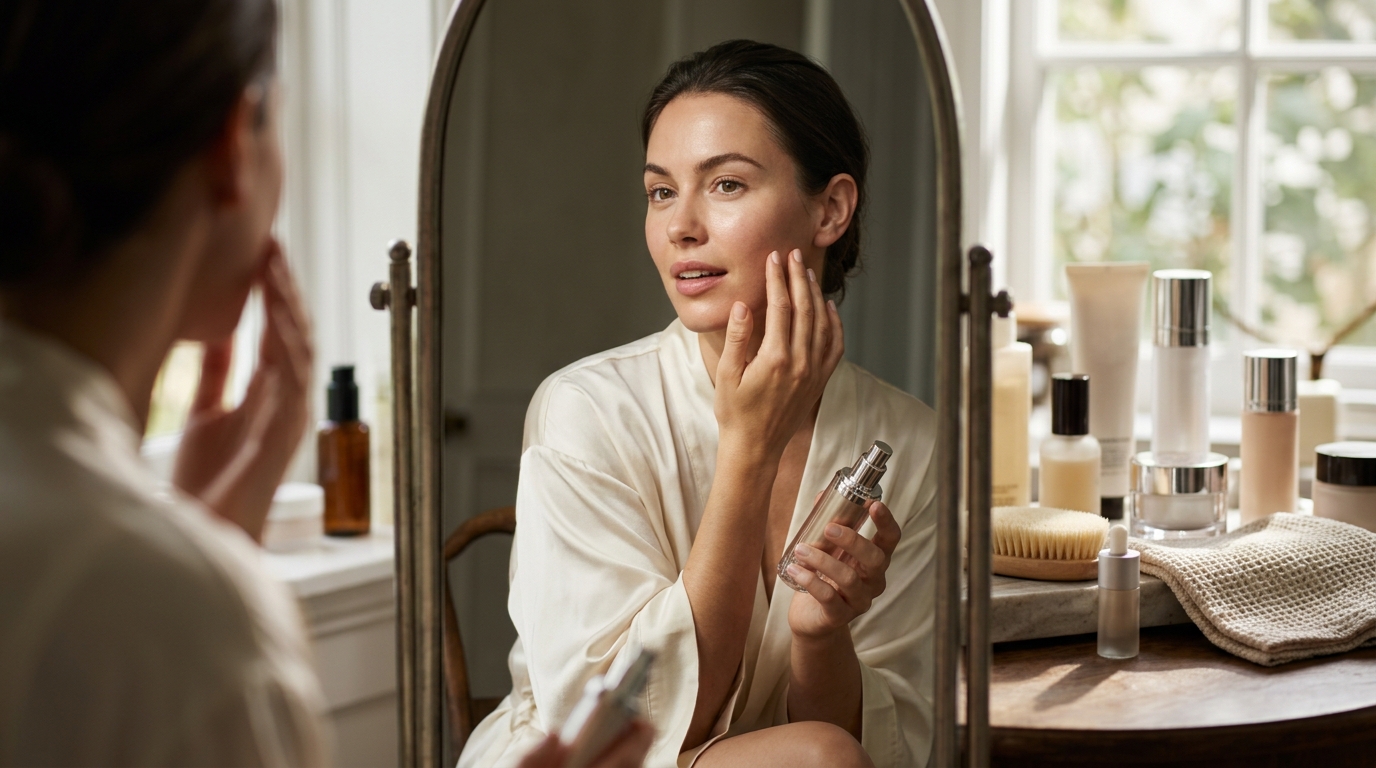
Choosing the right cosmetics starts with one simple step: knowing your skin type. Whether you are shopping for a new foundation, picking a moisturiser, or building a full makeup routine, every product decision should be guided by how your skin behaves. Skin type is the classification of your skin based on how much sebum (oil) it produces, and it falls into one of five main categories. Understanding where you sit on that spectrum will save you from wasted money, breakouts, and frustration. This guide walks you through identifying your skin type and matching it to the best cosmetics and skincare products for a flawless, healthy result.
1. Identify Your Skin Type First
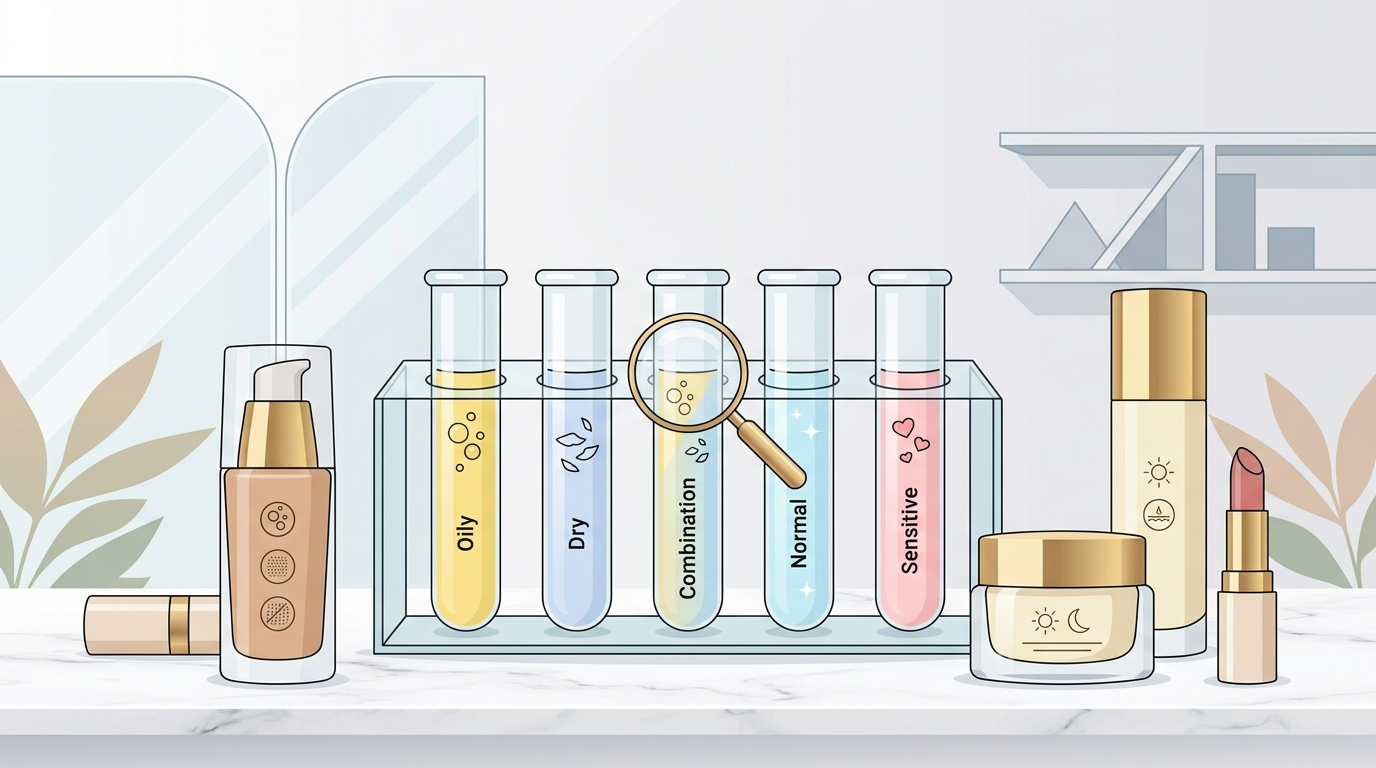
Before purchasing any cosmetic product, you need to determine your skin type. According to the American Academy of Dermatology, the five primary skin types are oily, dry, normal, combination, and sensitive. The main factor differentiating these types is how much oil your skin produces.
A simple at-home test can help. Wash your face with a gentle cleanser, wait 30 minutes without applying any products, then observe. Oily patches on your forehead, nose, and chin suggest oily or combination skin. Tightness or flaking points to dry skin. If everything feels balanced, you likely have normal skin.
Beauty Affairs offers a free skin type quiz that analyses your answers and recommends products tailored to your results, making the identification process even easier.
2. The Five Skin Types Explained
Oily Skin
Oily skin is a skin type characterised by excess sebum production, leading to a shiny appearance, enlarged pores, and a predisposition to acne. Cosmetics for oily skin should be oil-free, non-comedogenic, and mattifying. Look for products containing salicylic acid or niacinamide to help control shine without stripping moisture.
Dry Skin
Dry skin is a skin type that lacks sufficient natural oil, often feeling tight, rough, or flaky. It benefits from rich, hydrating cosmetics with emollient ingredients such as hyaluronic acid, glycerin, and ceramides. Cream-based foundations and hydrating primers work best for this type.
Combination, Normal, and Sensitive Skin
Combination skin features oily zones (typically the T-zone) alongside drier cheeks. Normal skin is balanced, with minimal excess oil or dryness. Sensitive skin is a condition where skin becomes easily irritated, red, or reactive to certain ingredients. If you experience redness and stinging during product application, fragrance-free and hypoallergenic formulas are essential.
3. Matching Foundation to Your Skin Type
Foundation is the cosmetic most affected by skin type. The wrong formula can slide off oily skin within hours or cling to dry patches and look cakey. Here is a quick breakdown of which formulas suit each type, based on guidance from Beauty Affairs' face makeup collection:
| Skin Type | Best Foundation Formula | Finish | Key Ingredient to Look For |
|---|---|---|---|
| Oily | Powder or mineral foundation | Matte | Salicylic acid, niacinamide |
| Dry | Cream or serum foundation | Dewy | Hyaluronic acid, glycerin |
| Combination | Buildable liquid foundation | Natural/satin | Lightweight hydrators |
| Normal | Liquid or tinted moisturiser | Natural | Ceramides, antioxidants |
| Sensitive | Mineral or hypoallergenic liquid | Light coverage | Zinc oxide, centella asiatica |
Powder and mineral foundations are less likely to break down with the skin's natural oils, making them ideal for oily and combination types. Cream foundation melts into the skin for a hydrating, luminous finish that suits drier complexions perfectly. Explore the full range of luxury foundations at Beauty Affairs from brands like M.A.C, Dior, and Giorgio Armani.
4. Skincare-Infused Cosmetics: Why Ingredients Matter
Modern cosmetics increasingly double as skincare. A non-comedogenic product is one formulated not to clog pores, and dermatologists recommend prioritising this label for every skin type. According to board-certified dermatologist Dr. Christian Millett, knowing your skin type allows you to choose products that keep skin looking and feeling its best.
When reading labels, seek out hyaluronic acid for hydration, niacinamide for oil control and tone, and SPF for daily sun protection. Avoid fragrance, alcohol, and heavy oils if your skin is sensitive or acne-prone. These ingredients are common irritants that can worsen breakouts and redness.
Beauty Affairs stocks cosmetics from brands that prioritise skin health, including luxury makeup with skin-caring formulas from Clinique, Lancôme, and INIKA Organic.
5. Best Cosmetics by Skin Type at a Glance
| Product Category | Oily Skin Pick | Dry Skin Pick | Sensitive Skin Pick |
|---|---|---|---|
| Primer | Oil-controlling mattifying primer | Hydrating primer with glycerin | Fragrance-free soothing primer |
| Foundation | Mineral powder or matte liquid | Cream or serum foundation | Mineral foundation with zinc oxide |
| Blush | Powder blush | Cream blush | Cream blush (fragrance-free) |
| Setting Product | Translucent setting powder | Setting spray (dewy finish) | Lightweight setting mist |
Australia's hot, humid climate can intensify oil production and break down makeup faster. Choosing the right formula for your skin type is especially important in summer. A good setting powder or spray will help keep your look intact throughout the day.
6. Common Mistakes When Choosing Cosmetics
Skipping sunscreen under makeup. Regardless of skin type, daily broad-spectrum SPF 30 or higher is essential. Many foundations now include SPF, but a dedicated sunscreen underneath provides better protection.
Using the wrong cleanser to remove makeup. Gel cleansers suit oily skin, while milk or cream cleansers work better for dry and sensitive types. Proper makeup removal is the first step in any anti-ageing routine.
Ignoring patch tests. Before adding any new cosmetic to your routine, test it on a small area of skin first. This is especially critical for sensitive and reactive skin types.
7. Key Takeaways
- Always identify your skin type before purchasing any cosmetic product.
- Oily skin benefits from matte, oil-free, and non-comedogenic formulas.
- Dry skin needs cream-based, hydrating cosmetics with ingredients like hyaluronic acid.
- Sensitive skin requires fragrance-free, hypoallergenic products with soothing ingredients such as centella asiatica and ceramides.
- Foundation formula matters more than brand: match the texture to your skin type for the best results.
- Sunscreen is non-negotiable under any makeup routine, in every season.
- Take a skin type quiz or consult a dermatologist if you are unsure about your skin's needs.
8. Frequently Asked Questions
How do I know my skin type?
Wash your face, wait 30 minutes, and observe. Shiny patches indicate oily skin, tightness suggests dry skin, and a mix of both means combination skin. You can also take a free online skin type quiz for a guided analysis.
Can my skin type change over time?
Yes. Hormonal shifts, ageing, climate, and lifestyle factors can all alter your skin type. It is a good idea to reassess every few years and adjust your cosmetics accordingly.
What foundation is best for oily skin?
Powder and mineral foundations are best for oily skin because their formulas are less likely to break down with excess sebum. Look for products labelled non-comedogenic and oil-free.
Should I use different cosmetics in summer versus winter?
Absolutely. In warmer months, opt for lighter, mattifying formulas. In cooler, drier weather, switch to cream-based, hydrating products to prevent flaking and tightness.
Are luxury cosmetics better for my skin?
High-end cosmetics often use higher concentrations of skin-caring ingredients, blend more seamlessly, and last longer. Brands like Clinique, La Mer, and Lancôme formulate with both performance and skin health in mind.
What ingredients should I avoid if I have sensitive skin?
Avoid fragrance, alcohol, heavy oils, and chemical sunscreen filters. Instead, look for physical blockers like zinc oxide and soothing ingredients such as panthenol and ceramides.
Is SPF in foundation enough for sun protection?
Foundation with SPF provides some protection, but most people do not apply enough for full coverage. Dermatologists recommend wearing a dedicated broad-spectrum SPF 30+ sunscreen underneath your makeup.
How can I test if a cosmetic suits my skin?
Perform a patch test by applying a small amount of product behind your ear or on your inner wrist. Wait 24 to 48 hours. If no irritation occurs, the product is likely safe for your face.
Find Your Perfect Cosmetics Match
Ready to build a routine tailored to your unique skin? Shop the full luxury cosmetics collection at Beauty Affairs and take our free skin analysis quiz to receive personalised product recommendations. Enjoy free shipping on orders over $179 and Afterpay on every purchase.