
Anti-Aging Skincare Routine: A Step-by-Step Guide for Every Age
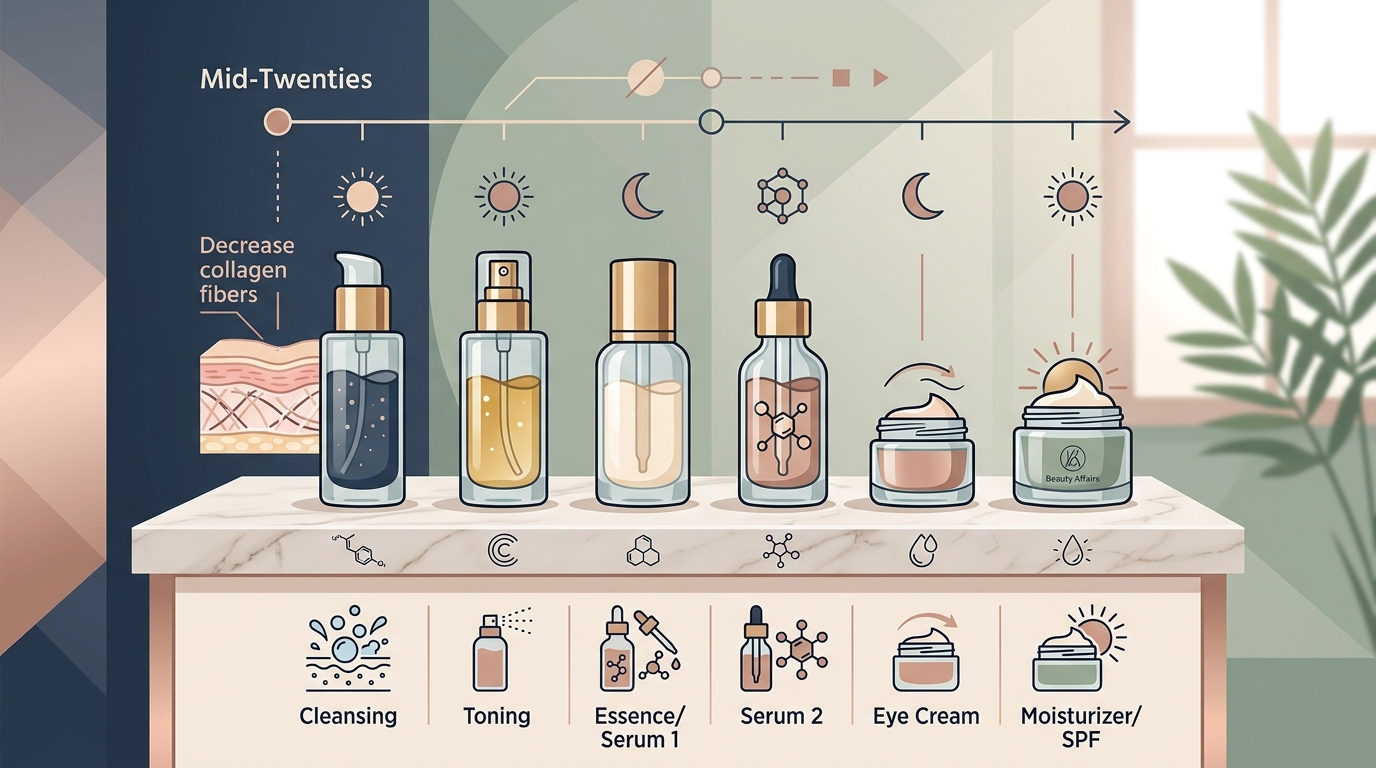
Building an effective anti-aging skincare routine does not require a cabinet full of products or a degree in chemistry. It starts with understanding what your skin needs at each stage of life and choosing the right active ingredients to match. Collagen production decreases by roughly 1% per year starting in your mid-twenties, according to the American Academy of Dermatology. That means the sooner you begin a targeted routine, the better your skin will look for decades to come. Below, we break down every step so you can build your ideal anti-aging regimen with confidence.
Why Start an Anti-Aging Routine Now
Your skin's collagen levels begin declining in your mid-twenties, and that decline accelerates with sun exposure, stress, and hormonal changes. Women can lose up to 30% of their skin collagen in the five years following menopause, according to research published through the NIH. The right anti-aging skincare is able to both prevent and correct premature signs of aging, so starting early pays dividends.
Prevention is always easier than correction. A consistent routine built around proven ingredients will help maintain firmness, hydration, and radiance well into your 50s, 60s, and beyond.
Key Anti-Aging Ingredients to Know
Not all ingredients are created equal. Here are the powerhouses backed by dermatological research that belong in every anti-aging routine.
Retinol
Retinol is a vitamin A derivative that encourages cellular turnover and collagen production. It is widely considered the gold standard of anti-aging skincare. If you are new to retinol, start slowly and build tolerance over several weeks. Explore the full range of retinol products at Beauty Affairs to find your ideal strength.
Vitamin C
Vitamin C is a potent antioxidant that shields skin from free radicals, boosts collagen synthesis, and fades hyperpigmentation. It works beautifully in the morning paired with sunscreen. Browse Vitamin C serums and moisturisers for options across every budget.
Peptides
Peptides are short-chain amino acids that signal skin cells to produce more collagen. They pair well with virtually every other active ingredient, making them a versatile addition to any regimen. Discover peptide skincare at Beauty Affairs for serums, moisturisers, and eye creams.
| Ingredient | Primary Benefit | Best Used | Suited For |
|---|---|---|---|
| Retinol | Cellular turnover and collagen boost | PM only | Ages 25+ |
| Vitamin C | Antioxidant protection and brightening | AM | All ages |
| Peptides | Collagen signalling and firming | AM or PM | Ages 30+ |
| Hyaluronic Acid | Deep hydration and plumping | AM and PM | All ages |
| Niacinamide | Barrier repair and tone evening | AM or PM | All ages |
| SPF 30+ | UV protection and aging prevention | AM (reapply) | All ages |
Your Morning Anti-Aging Routine
The morning routine focuses on protection. Follow these steps in order for best results.
Step 1: Gentle Cleanser. Start with a mild, non-stripping cleanser to remove overnight buildup without disrupting your moisture barrier.
Step 2: Vitamin C Serum. Apply a Vitamin C serum to clean, dry skin. This shields against environmental aggressors throughout the day.
Step 3: Hydrating Serum or Essence. Layer a hyaluronic acid serum to lock in moisture and plump fine lines.
Step 4: Moisturiser. Choose a formula appropriate for your skin type. If your skin is oily, a gel moisturiser provides lightweight hydration without heaviness.
Step 5: Broad-Spectrum SPF 30+. Sunscreen is the single most important anti-aging product you can use. UV radiation is a major cause of premature wrinkles, age spots, and loss of elasticity.
Your Evening Anti-Aging Routine
Night-time is when your skin enters repair mode, making it ideal for treatment-focused products.
Step 1: Double Cleanse. Remove makeup and sunscreen with an oil-based cleanser, then follow with a water-based cleanser.
Step 2: Exfoliate (2-3 times per week). Use a chemical exfoliant containing AHAs like glycolic acid to encourage cell renewal.
Step 3: Retinol Serum. Apply your retinol on clean, dry skin. A product like Dermalogica Dynamic Skin Retinol Serum layers easily under moisturiser and is gentle enough for nightly use.
Step 4: Peptide or Niacinamide Treatment. Follow retinol with a peptide serum to boost collagen signalling and calm any irritation.
Step 5: Rich Night Moisturiser or Facial Oil. Seal everything in with a nourishing moisturiser or oil to support overnight repair.
Tailoring Your Routine by Age
In Your 20s
Focus on prevention. A solid cleanser, Vitamin C serum, moisturiser, and SPF form the foundation. Introduce a low-dose retinol toward the end of your twenties.
In Your 30s and 40s
Increase your active ingredients. Add peptides, niacinamide, and a higher-concentration retinol. Consider targeted anti-ageing products that combine multiple actives for efficiency.
50s and Beyond
Mature skin has unique needs beyond standard anti-aging. It loses the ability to retain moisture, slows collagen production further, and begins to thin. Explore skincare for mature skin that addresses hydration, volume loss, and firmness simultaneously.
Common Mistakes to Avoid
Skipping sunscreen: No amount of retinol or Vitamin C can undo daily unprotected UV exposure. Wear SPF every single day, even on cloudy days in Australia.
Overloading actives: Using retinol, AHAs, and Vitamin C all at once can overwhelm your skin. Alternate actives between morning and evening or different days of the week.
Neglecting hydration: Anti-aging actives can be drying. Always pair them with humectants like hyaluronic acid and barrier-supporting ingredients like ceramides.
Expecting overnight results: Most anti-aging products require 8 to 12 weeks of consistent use before visible improvements appear. Patience and consistency are essential.
Key Takeaways
- Collagen production drops about 1% per year from your mid-twenties, making early prevention crucial.
- Retinol, Vitamin C, and peptides are the three most research-backed anti-aging ingredients.
- Your morning routine should focus on protection (antioxidants and SPF); your evening routine on repair (retinol, peptides).
- Sunscreen is the most effective anti-aging product available and should be worn daily.
- Hydration supports every other active in your routine; never skip moisturiser.
- Tailor ingredient strength and product selection to your age and skin type.
- Consistency over 8 to 12 weeks matters more than using the most expensive product.
Frequently Asked Questions
What age should I start an anti-aging skincare routine?
You can start as early as your mid-twenties with prevention-focused steps like Vitamin C and SPF. It is never too early or too late to invest in your skin.
Can I use retinol and Vitamin C together?
Yes, but it is generally best to use Vitamin C in the morning and retinol at night to minimise irritation and maximise efficacy. Read more in our guide on how to use retinol with other actives.
How long does it take to see results from anti-aging products?
Most people notice visible improvements after 8 to 12 weeks of consistent daily use. Factors like product type, ingredients, and your unique skin type influence the timeline.
What is the most important step in an anti-aging routine?
Sunscreen. UV radiation is the leading external cause of premature skin aging. A broad-spectrum SPF 30 or higher should be applied every morning and reapplied throughout the day.
Are peptides or retinol better for wrinkles?
Retinol has the most clinical evidence for wrinkle reduction, but peptides complement retinol by boosting collagen signalling and calming inflammation. Using both delivers the best results.
Do I need separate products for my eyes?
The skin around your eyes is thinner and more delicate. A dedicated eye cream with peptides or retinol can target crow's feet and under-eye concerns more precisely.
What ingredients should I avoid mixing?
Avoid using retinol and AHA exfoliants at the same time to prevent irritation. Alternate them on different nights or use AHAs in the morning and retinol in the evening.
Is an anti-aging routine different for mature skin?
Yes. Mature skin requires richer formulas that address moisture retention, volume loss, and thinning in addition to wrinkles. Explore the best ingredients for ageing gracefully to learn more.
Build Your Anti-Aging Routine Today
Ready to start? Browse the complete anti-ageing skincare collection at Beauty Affairs and find the perfect products for your skin type. Enjoy free shipping on orders over $179 and Afterpay on every purchase.