
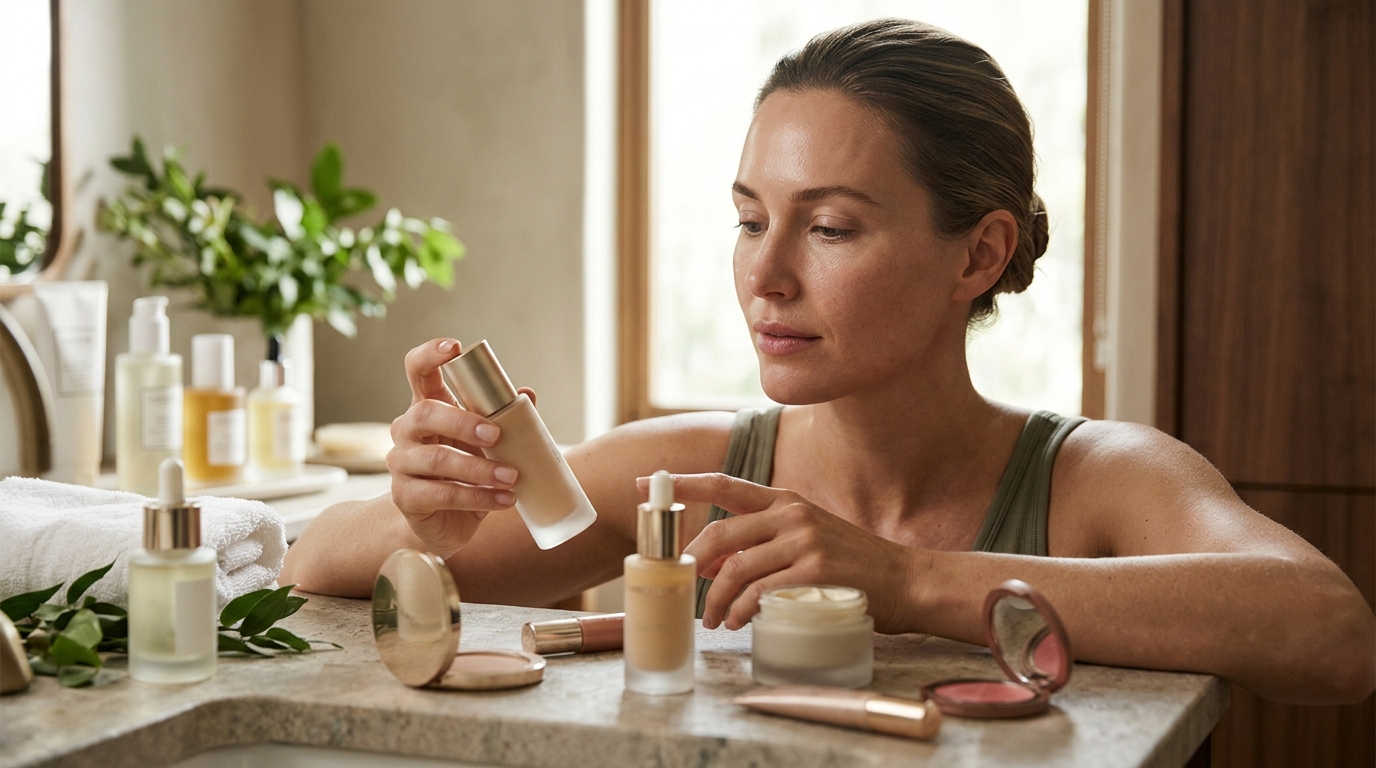
Choosing the right cosmetics starts with one essential step: knowing your skin type. Whether your complexion is oily, dry, combination, normal, or sensitive, every product you apply should support your skin rather than work against it. The wrong foundation can clog pores, and the wrong moisturiser can leave you looking greasy by noon. In this guide, we walk you through how to identify your skin type, match cosmetics accordingly, and build a routine that enhances your natural beauty. With the right knowledge, shopping for makeup and skincare becomes simple and even enjoyable.
Step 1: Identify Your Skin Type
Skin type is a classification based on how much sebum (oil) your skin naturally produces. Before purchasing any cosmetics, you need to determine where you fall on the spectrum. There are four commonly recognised skin types: normal, oily, dry, and combination. A fifth category, sensitive skin, is more of a reactive condition that can accompany any of the other types.
The At-Home Test
The simplest method is to cleanse your face and leave it bare for about an hour. If your T-zone is shiny but your cheeks feel tight, you likely have combination skin. Uniform oiliness points to oily skin, while overall tightness and flaking suggest dry skin. If you are still unsure, try the Beauty Affairs skin type guide for a deeper breakdown.
Why It Matters for Cosmetics
Products like foundation, concealer, and blush sit on your skin for hours. As board-certified dermatologist Dr. Christian Millett notes, knowing your skin type lets you choose the right cleansers, moisturisers, and cosmetics to keep skin looking its best. Mismatched products can trigger breakouts, excess shine, or uncomfortable dryness.
Step 2: Choose the Right Foundation
Foundation is the cosmetic product most affected by skin type. A foundation formula is a base makeup product designed to even out skin tone and create a smooth canvas for the rest of your look.
Formula Recommendations
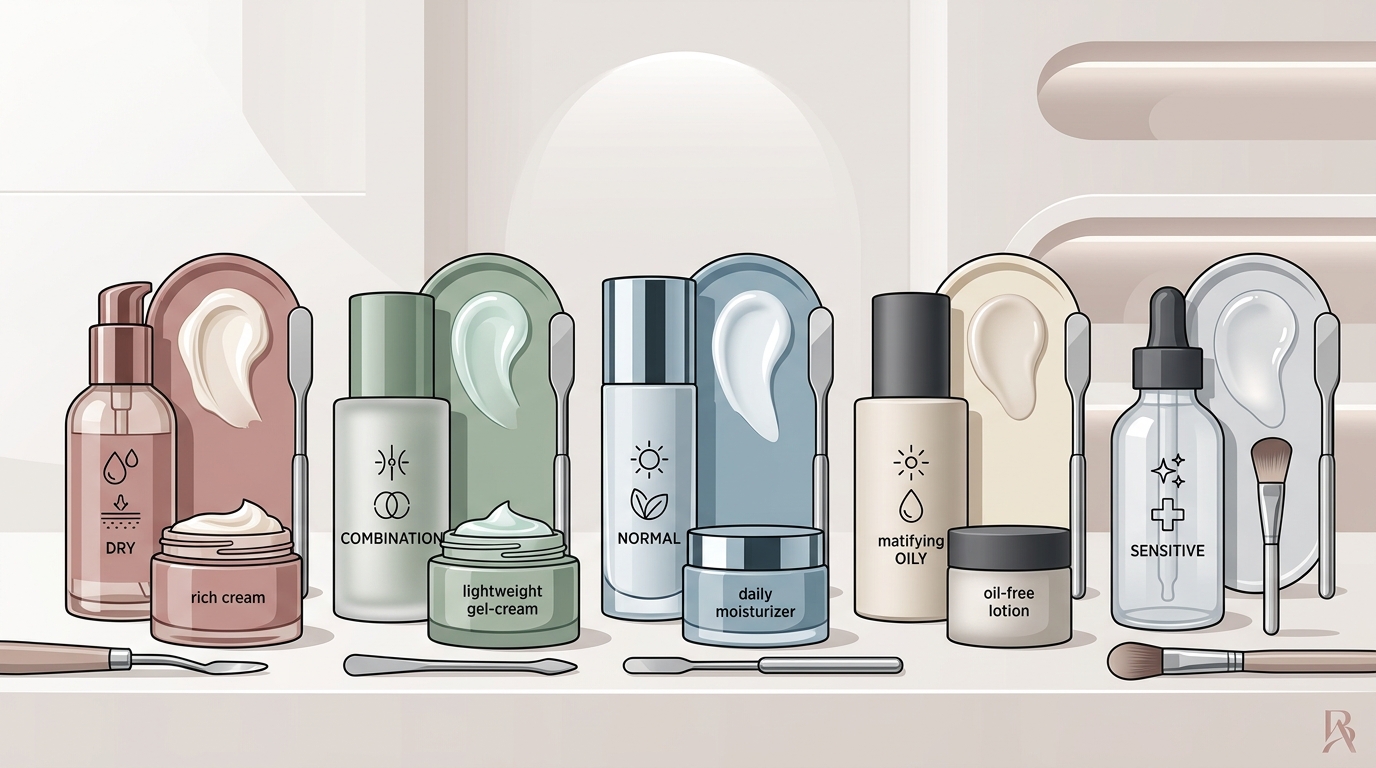
For dry skin, opt for hydrating liquid or serum foundations that add moisture without settling into fine lines. For oily skin, matte-finish or powder foundations with oil-free formulations help control shine throughout the day. Combination skin pairs well with gel-based or buildable liquid formulas. Those with sensitive skin should choose mineral-based or fragrance-free options to minimise irritation.
Beauty Affairs stocks an extensive range of foundation creams and powders from brands like M.A.C, Dior, Giorgio Armani, and INIKA, covering all skin types and tones.
Step 3: Align Skincare and Cosmetics
Modern cosmetics increasingly function as skincare. A dermatologist-recommended makeup product is one formulated to support skin health, not just provide coverage. Look for makeup that includes beneficial active ingredients so your cosmetics and skincare routine work in harmony rather than conflict.
Building a solid skincare base is essential. Start with a cleanser and moisturiser suited to your skin type, then layer cosmetics on top. Explore the full luxury skincare collection at Beauty Affairs to find products that prep your skin perfectly for makeup application.
Step 4: Look for Skin-Friendly Ingredients
The ingredient list matters more than marketing buzzwords. Hyaluronic acid is a potent humectant that attracts water to skin, making it ideal in foundations and primers for dry or dehydrated complexions. Niacinamide helps improve skin tone and texture, benefiting nearly every skin type. Zinc oxide provides physical sun protection and is gentle enough for sensitive or acne-prone skin.
For anti-ageing benefits in your cosmetics, retinoids and peptides stimulate collagen production, helping to reduce fine lines over time. Even small concentrations in tinted moisturisers or serums can make a measurable difference when used consistently.
Step 5: Know What to Avoid
Certain ingredients can sabotage even the best cosmetics routine. According to NYC dermatologist Dr. Debra Jaliman, consumers should avoid synthetic fragrances, parabens, and sulfates, which can irritate skin and compromise the skin barrier. The terms "natural" and "clean" are not strictly regulated in cosmetics and do not automatically guarantee safety.
Non-comedogenic is a labelling term indicating a product is formulated not to clog pores. Always check for this designation if you have oily or acne-prone skin.
Cosmetics by Skin Type: Quick Reference
| Skin Type | Foundation Formula | Key Ingredients to Seek | Ingredients to Avoid |
|---|---|---|---|
| Dry | Hydrating liquid or serum | Hyaluronic acid, ceramides | Alcohol, matte powders |
| Oily | Matte or oil-free powder | Niacinamide, salicylic acid | Heavy oils, comedogenic waxes |
| Combination | Gel-cream or buildable liquid | Glycerin, lightweight emollients | Overly rich creams |
| Sensitive | Mineral or fragrance-free | Zinc oxide, centella asiatica | Fragrance, parabens, sulfates |
| Normal | Any well-formulated option | Ceramides, antioxidants | Harsh exfoliants in daily wear |
Key Takeaways
- Always identify your skin type before purchasing cosmetics; it determines which formulas and ingredients will serve you best.
- Dry skin thrives with hydrating, liquid-based cosmetics, while oily skin benefits from matte, oil-free products.
- Sensitive skin requires fragrance-free and mineral-based cosmetics to avoid irritation.
- Prioritise ingredient lists over marketing terms like "natural" or "clean," which are not strictly regulated.
- Non-comedogenic products are essential for anyone prone to breakouts.
- Your cosmetics and skincare should work together; prep skin with the right cleanser and moisturiser first.
- When in doubt, take a skin type quiz or consult a dermal specialist for personalised recommendations.
Frequently Asked Questions
How do I know my skin type?
Cleanse your face and wait one hour without applying anything. Observe whether your skin feels oily, dry, tight, or balanced. You can also take the Beauty Affairs skin type quiz for a guided assessment.
Can my skin type change over time?
Yes. Hormonal shifts, ageing, climate, and lifestyle factors can alter your skin type. Reassess your skin seasonally and adjust products as needed.
What foundation is best for oily skin?
Look for matte-finish, oil-free, and non-comedogenic foundations. Powder formulas also work well to absorb excess sebum throughout the day.
Is sensitive skin the same as a skin type?
Not exactly. Sensitive skin is more of a condition characterised by redness, stinging, and reactivity. It can accompany any of the four primary skin types (normal, oily, dry, or combination).
Should my makeup have SPF?
SPF in makeup is a bonus, but dermatologists recommend applying a dedicated broad-spectrum sunscreen of at least SPF 30 underneath your cosmetics for adequate protection.
What does non-comedogenic mean?
Non-comedogenic is a term used to describe cosmetics formulated so they do not block pores. This is especially important for oily and acne-prone skin types.
How do I choose cosmetics for combination skin?
Focus on balancing products. Gel-cream foundations and lightweight moisturisers address both the oily T-zone and drier cheek areas without over-correcting either one. Browse combination skin products for curated options.
Where can I get personalised cosmetic recommendations?
Beauty Affairs offers a free skin analysis tool and in-store medispa consultations across Sydney to help you find products matched to your unique skin type and concerns.
Find Your Perfect Cosmetics Match
Ready to shop smarter? Explore the full range of luxury cosmetics at Beauty Affairs and discover products curated for every skin type. Take our free skin quiz, enjoy free shipping on orders over $179, and get three complimentary samples with every order.