
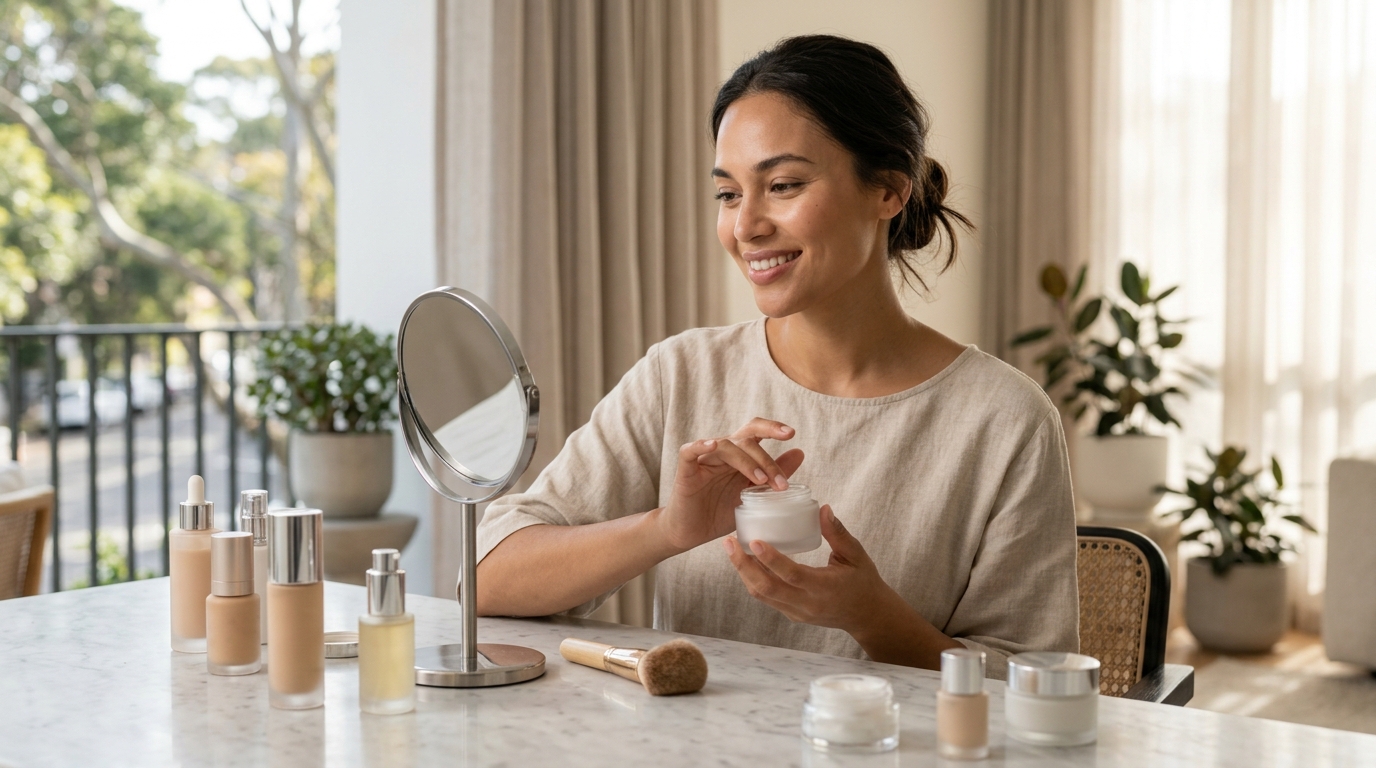
Finding cosmetics that work with your skin rather than against it starts with one critical step: knowing your skin type. Whether you have oily, dry, combination, sensitive, or normal skin, each type responds differently to formulas, textures, and ingredients. Choosing the wrong foundation, moisturiser, or even primer can lead to breakouts, excessive dryness, or an unwanted greasy finish. In this guide, we walk you through how to identify your skin type, match it to the right cosmetic formulas, and build a routine that keeps your complexion healthy and radiant.
1. Identify Your Skin Type First
Skin type is the classification of your skin based on how much sebum (oil) it naturally produces. According to the American Academy of Dermatology, there are five primary skin types: oily, dry, normal, combination, and sensitive. Understanding which category you fall into is the foundation of every smart cosmetics purchase.
The simplest at-home test is to cleanse your face, leave it bare for about an hour, and then observe. If your T-zone is shiny but your cheeks feel tight, you likely have combination skin. If your entire face feels slick, you are probably oily. Beauty Affairs offers a helpful skin type guide that walks you through the process in detail.
2. Best Cosmetics for Oily Skin
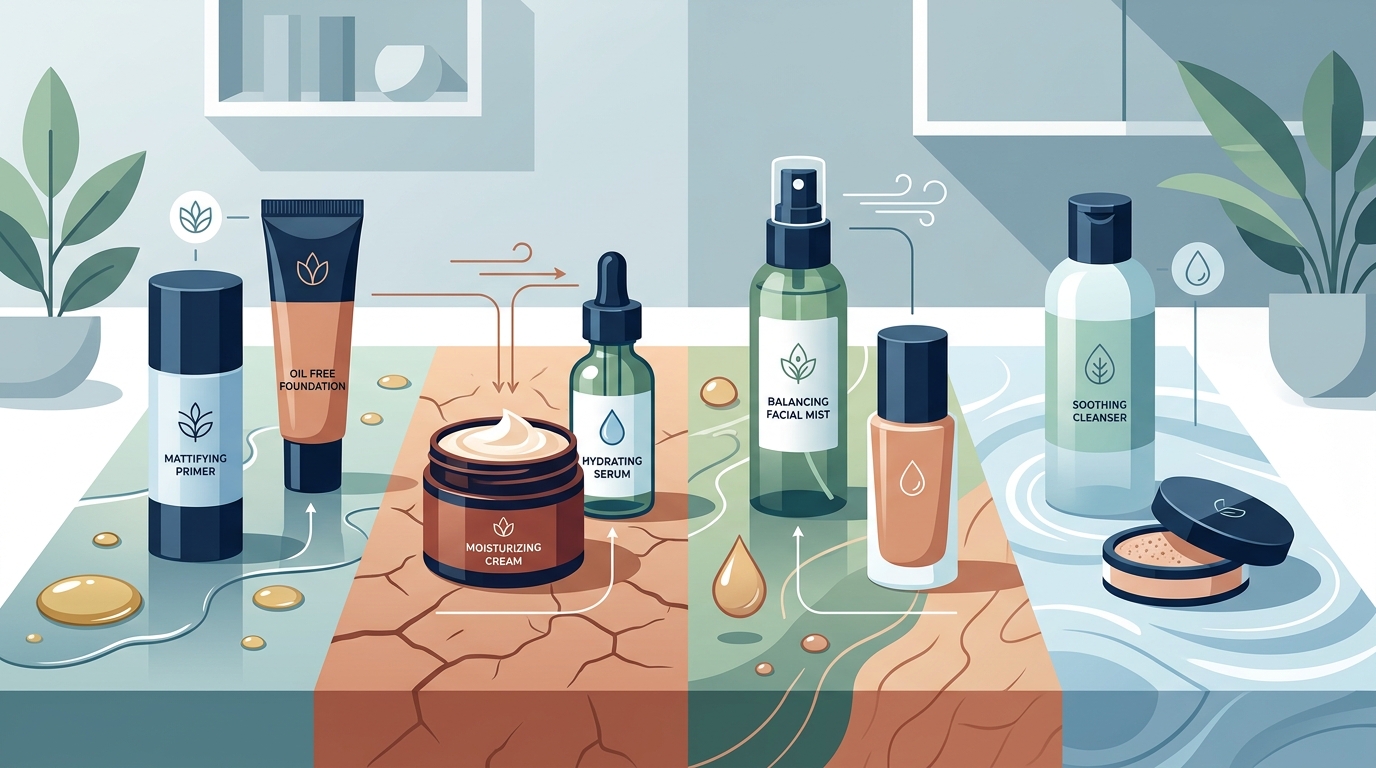
Oily skin is a skin type that overproduces sebum, often resulting in a shiny complexion, enlarged pores, and a tendency toward breakouts. When shopping for cosmetics, look for labels that say "non-comedogenic" and "oil-free."
Foundation and Powder
Matte-finish liquid foundations and mineral powder foundations are ideal. Powder formulas help absorb excess oil throughout the day while providing a shine-free finish. For product recommendations, check out the best makeup for oily skin guide at Beauty Affairs.
Moisturiser
Oil-free gel moisturisers hydrate without adding grease. Ingredients like salicylic acid and witch hazel can help control shine and calm acne-related inflammation.
3. Best Cosmetics for Dry Skin
Dry skin lacks oil and can appear flaky, rough, or dull. Choosing the wrong cosmetics, such as mattifying powders, can emphasise fine lines and make skin look even more parched.
Foundation
Opt for moisturising liquid foundations or BB creams with a satin or dewy finish. As the Beauty Affairs foundation guide explains, dry skin types should generally avoid powder-form foundations that can settle into creases.
Hydrating Ingredients
Look for cosmetics infused with hyaluronic acid, glycerin, and ceramides. Hyaluronic acid is a humectant that can attract up to 1,000 times its own weight in water, making it one of the most effective hydrators available in modern formulas.
4. Best Cosmetics for Combination Skin
Combination skin features both oily and dry zones, typically oily in the T-zone (forehead, nose, chin) and dry on the cheeks. This dual nature makes product selection tricky, but the right approach balances both concerns.
Gel-cream moisturisers and lightweight foundations are your best friends. Browse the combination skin collection at Beauty Affairs for products formulated to hydrate dry patches without overloading oily areas. Gel or milk cleansers are excellent starting points, as they cleanse effectively at varying hydration levels.
5. Best Cosmetics for Sensitive Skin
Sensitive skin is a condition where the skin easily becomes red, irritated, or inflamed upon contact with certain products or environmental triggers. It can accompany any of the four main skin types. According to board-certified dermatologists, people with sensitive skin should avoid foaming washes, fragrance, and chemical sunscreen filters.
Instead, choose mineral-based makeup, fragrance-free formulas, and products containing soothing ingredients like Centella Asiatica and panthenol. Beauty Affairs has a dedicated guide on how to care for sensitive skin that covers the best calming ingredients in detail.
6. Key Ingredients to Look For (and Avoid)
Matching ingredients to your skin type is just as important as choosing the right formula. The table below summarises recommended and cautionary ingredients by skin type.
| Skin Type | Recommended Ingredients | Ingredients to Avoid |
|---|---|---|
| Oily | Salicylic acid, niacinamide, witch hazel | Heavy oils, comedogenic waxes |
| Dry | Hyaluronic acid, ceramides, glycerin | Alcohol, mattifying powders |
| Combination | Lightweight humectants, gel-based formulas | Overly rich creams on oily zones |
| Sensitive | Centella Asiatica, panthenol, oat extract | Fragrance, harsh preservatives, chemical exfoliants |
| Normal | Ceramides, hyaluronic acid, vitamin C | No major restrictions; choose non-comedogenic |
When exploring active ingredients like glycolic acid, remember that AHAs increase sun sensitivity, so daily broad-spectrum sunscreen is non-negotiable.
7. Key Takeaways
- Always identify your skin type before purchasing cosmetics; the wrong formula can worsen existing concerns.
- Oily skin benefits from matte, oil-free, non-comedogenic products.
- Dry skin needs hydrating liquid foundations and humectant-rich moisturisers.
- Combination skin requires a balanced approach: lightweight gels for oily zones, richer creams for dry patches.
- Sensitive skin demands fragrance-free, mineral-based, soothing formulas.
- Read ingredient lists carefully. Hyaluronic acid hydrates; salicylic acid controls oil; ceramides repair barriers.
- Sunscreen is essential for every skin type, every single day.
8. Frequently Asked Questions
How do I know what skin type I have?
Cleanse your face and wait one hour without applying any products. Observe whether your skin feels tight (dry), shiny all over (oily), shiny only in the T-zone (combination), or balanced (normal). If products frequently cause redness or stinging, you may also have sensitive skin.
Can my skin type change over time?
Yes. Hormonal shifts, ageing, climate, and lifestyle factors can all alter your skin type. Reassess your skin seasonally and adjust your cosmetics accordingly.
What foundation type is best for oily skin?
Matte-finish liquid foundations and mineral powder foundations work best. They absorb excess oil and provide a shine-free finish without clogging pores.
Should I use powder foundation if I have dry skin?
Generally, no. Powder can settle into fine lines and emphasise flakiness. A moisturising liquid foundation or tinted moisturiser with a dewy finish is a better choice.
What does non-comedogenic mean?
Non-comedogenic is a term used to describe cosmetic products formulated so they do not clog pores. This is especially important for oily and acne-prone skin types.
Is sunscreen really necessary under makeup?
Absolutely. Broad-spectrum SPF 30 or higher protects against premature ageing, hyperpigmentation, and sun damage regardless of skin type. Many foundations now include built-in SPF, but a dedicated sunscreen layer provides the most reliable protection.
How do I choose cosmetics for sensitive skin?
Look for fragrance-free, hypoallergenic products with soothing ingredients such as panthenol, Centella Asiatica, and ceramides. Mineral makeup is often a safer choice because it typically contains fewer potential irritants.
Find Your Perfect Match at Beauty Affairs
Ready to shop cosmetics tailored to your skin type? Explore the full luxury skincare collection at Beauty Affairs. Take advantage of free shipping on orders over $179, Afterpay availability, and three free samples with every order. Your skin deserves products that truly work for it.