
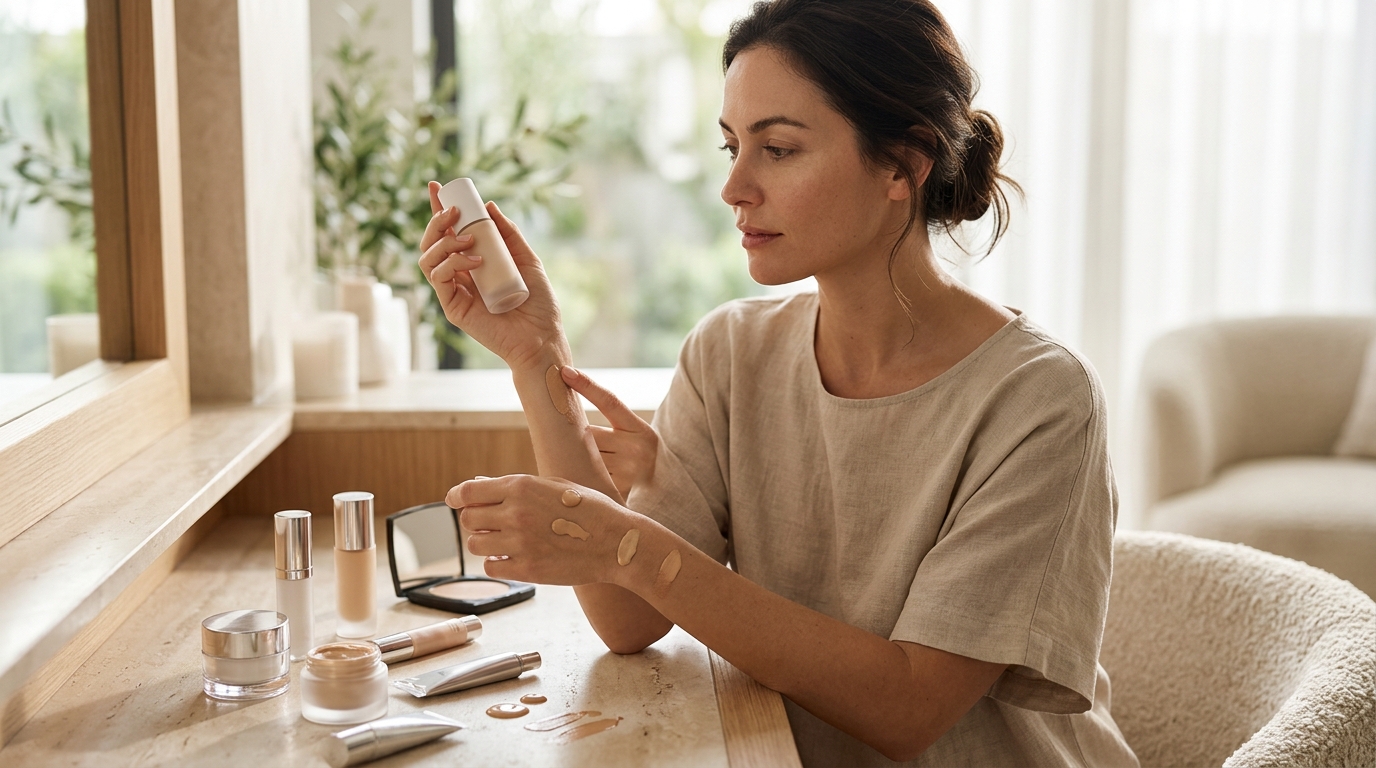
Choosing cosmetics that complement your skin type is the single most important step toward a flawless, comfortable finish that lasts all day. Yet with thousands of foundations, concealers, and powders on the market, the process can feel overwhelming. The good news? Once you identify whether your skin is oily, dry, combination, normal, or sensitive, narrowing down the right formulas becomes surprisingly straightforward. In this guide, we walk you through each skin type, recommend the best textures and ingredients to look for, and highlight luxury products available at Beauty Affairs to help you build a routine you will love.
Step 1: Identify Your Skin Type
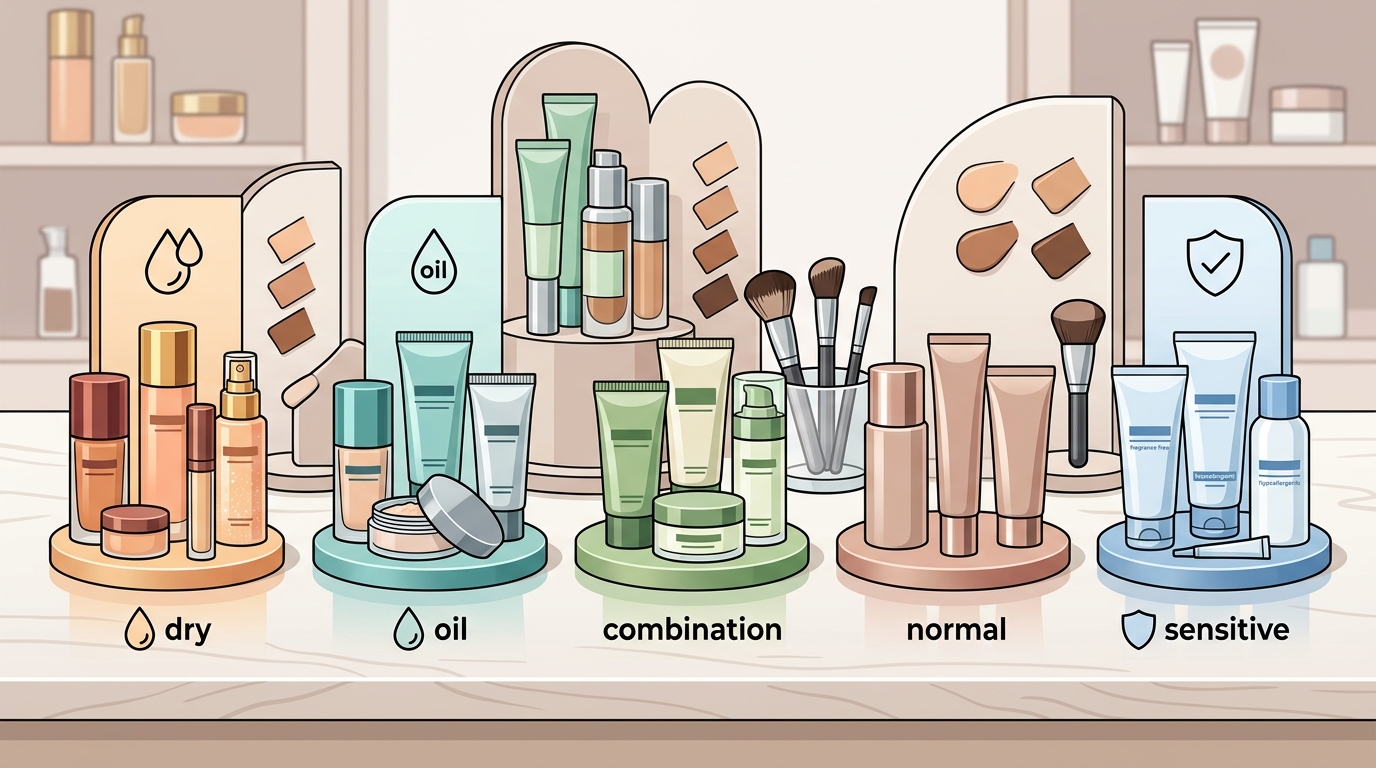
Skin type is the baseline classification of how your skin behaves in terms of oil production, hydration, and sensitivity. The American Academy of Dermatology (AAD) recognises five primary skin types: oily, dry, normal, combination, and sensitive. Your skin type is largely determined by how much sebum your skin produces.
A simple at-home test can help. Cleanse your face with a gentle cleanser, leave it bare for one hour, then observe. If your skin feels comfortable and balanced, you likely have normal skin. If it feels tight or looks flaky, you probably have dry skin. Shine across the forehead, nose, and chin points to oily skin, while a mix of oily and dry patches indicates combination skin.
Why It Matters for Makeup
Choosing a product designed for a different skin type can worsen existing concerns. For example, applying a rich cream foundation on oily skin may trigger breakouts, while a mattifying powder on dry skin can emphasise flakiness. As board-certified dermatologist Dr Christian Millett notes, knowing your skin type allows you to choose products that keep your skin looking and feeling its best.
Best Cosmetics for Oily Skin
Oily skin is characterised by excess sebum production, enlarged pores, and a tendency toward breakouts. The key is to reach for oil-free, mattifying formulas that control shine without stripping moisture.
Foundation and Concealer Tips
Look for oil-free foundations and pressed powders specifically designed for oily skin. These create a matte finish while absorbing excess oil for a natural, even look. Powder and mineral foundations are particularly effective because their formulas are less likely to break down with your skin's natural oils. A standout option is the Dior Forever Clean Matte Foundation, which offers transfer-proof, soft-matte coverage while refining pores.
Setting and Priming
Always prep with a lightweight, oil-free moisturiser and a mattifying primer before applying base products. Finish with a setting powder to lock everything in place. Look for concealers labelled "long-wear" or "long-lasting" with a matte finish to avoid a greasy appearance throughout the day.
Best Cosmetics for Dry Skin
Dry skin is a skin type defined by insufficient lipid (oil) production, leading to tightness, flakiness, and a dull appearance. It benefits from rich, hydrating cosmetics that replenish moisture rather than absorb it.
What to Reach For
Cream foundations and liquid formulas with hydrating ingredients such as hyaluronic acid, ceramides, and glycerin are ideal. A cream foundation adds moisture back into the skin while providing buildable coverage. Avoid matte powders that can settle into dry patches and highlight texture.
To lock in hydration before makeup, consider a nourishing day cream with SPF as your base. This protects skin from UV damage while acting as a hydrating primer for a dewy, luminous finish.
Best Cosmetics for Combination Skin
Combination skin is a skin type that features both oily and dry areas, typically oily in the T-zone (forehead, nose, and chin) and drier on the cheeks. It requires a balanced approach that addresses both concerns simultaneously.
Multi-Zone Strategy
Liquid foundations work well for combination skin because they provide even coverage without over-mattifying dry areas or adding oil to shiny zones. Apply a mattifying primer only to the T-zone and a hydrating primer to drier areas before foundation. A light dusting of setting powder on the T-zone controls midday shine while leaving the rest of the face looking fresh.
Explore lightweight gel moisturisers as a pre-makeup base. Gel formulas deliver humectant-rich hydration without heaviness, making them an excellent match for combination skin.
Best Cosmetics for Sensitive Skin
Sensitive skin reacts easily with redness, stinging, or irritation upon contact with certain ingredients. Any skin type can also be sensitive, so it is important to layer sensitivity-friendly products into your routine regardless of oiliness or dryness.
Choosing Safe Formulas
Opt for products labelled "hypoallergenic" and "non-comedogenic." Fragrance is a known skin irritant, so fragrance-free formulas are essential. Mineral makeup is often recommended by dermatologists for sensitive skin because it typically contains fewer ingredients and is less likely to clog pores.
Brands like Declaré specialise in sensitive-skin cosmetics. Their trademarked Sensitivity Reducing Complex (SRC) reduces irritability, improves skin barrier function, and protects against environmental stress, making the range a reliable choice for reactive complexions.
Key Ingredients to Look For (and Avoid)
Modern cosmetics often double as skincare, so checking the ingredient list is worthwhile. Below is a quick-reference table matching skin types to beneficial ingredients and textures.
| Skin Type | Recommended Ingredients | Best Textures | Ingredients to Avoid |
|---|---|---|---|
| Oily | Salicylic acid, niacinamide, witch hazel | Powder, mineral, oil-free liquid | Heavy oils, thick creams |
| Dry | Hyaluronic acid, ceramides, glycerin, panthenol | Cream, liquid, tinted moisturiser | Alcohol-based formulas, matte powders |
| Combination | Niacinamide, lightweight humectants | Liquid, gel-cream | Extremely heavy or extremely drying formulas |
| Sensitive | Centella asiatica, aloe vera, zinc oxide | Mineral, fragrance-free liquid | Fragrance, alcohol, harsh preservatives |
| Normal | Vitamin C, antioxidants, hyaluronic acid | Any texture | No major restrictions |
When in doubt, Beauty Affairs offers a complimentary skin analysis and mini jars so you can test luxury products before committing to the full size.
Key Takeaways
- Identify your skin type first. It is the foundation of every smart cosmetics decision.
- Oily skin thrives with oil-free, matte-finish foundations and powders.
- Dry skin needs cream or liquid formulas enriched with ceramides and hyaluronic acid.
- Combination skin benefits from a multi-zone approach, using different primers for different areas.
- Sensitive skin requires fragrance-free, mineral-based products with calming ingredients.
- Always check the ingredient list for skin-caring actives like niacinamide and vitamin C.
- Take advantage of skin analysis tools and sample programmes to find your perfect match before purchasing full-size products.
Frequently Asked Questions
How do I know my skin type?
Wash your face with a gentle cleanser and leave it bare for about an hour. Observe whether your skin feels balanced (normal), tight and flaky (dry), shiny all over (oily), or a mix of oily and dry patches (combination). Redness and stinging upon product application suggest sensitivity.
Can my skin type change over time?
Yes. Hormonal shifts, ageing, climate changes, and medication can all alter your skin type. Re-evaluate your skin seasonally and adjust your cosmetics accordingly.
What foundation formula is best for oily skin?
Oil-free liquid foundations, pressed powders, and mineral foundations are ideal. They absorb excess sebum and provide a matte finish that lasts throughout the day.
Is mineral makeup really better for sensitive skin?
Mineral makeup is often recommended because it generally contains fewer ingredients, sits lightly on the skin, and is less likely to clog pores or trigger irritation.
Should I moisturise before applying makeup if I have oily skin?
Absolutely. A lightweight, oil-free moisturiser keeps the skin barrier healthy and can actually help regulate oil production. Skipping moisturiser may cause skin to overcompensate by producing even more sebum.
How do I choose the right shade of foundation?
Test foundation along the jawline in natural light. The shade that blends seamlessly into your neck and face without a visible line is your match. Always check undertones (warm, cool, or neutral) as well.
What does non-comedogenic mean?
Non-comedogenic is a label indicating that a product is formulated not to clog pores. It is especially important for oily and acne-prone skin types.
Where can I get personalised product recommendations?
Beauty Affairs offers a free online skin analysis quiz that recommends luxury products tailored to your skin type and goals. You can also request complimentary mini jars to trial products before committing.
Find Your Perfect Match at Beauty Affairs
Ready to discover cosmetics that truly work with your skin? Take the free Beauty Affairs skin analysis today and receive personalised luxury product recommendations. With three free samples on every order, free shipping on orders over $179, and Afterpay available, there has never been a better time to elevate your beauty routine.