
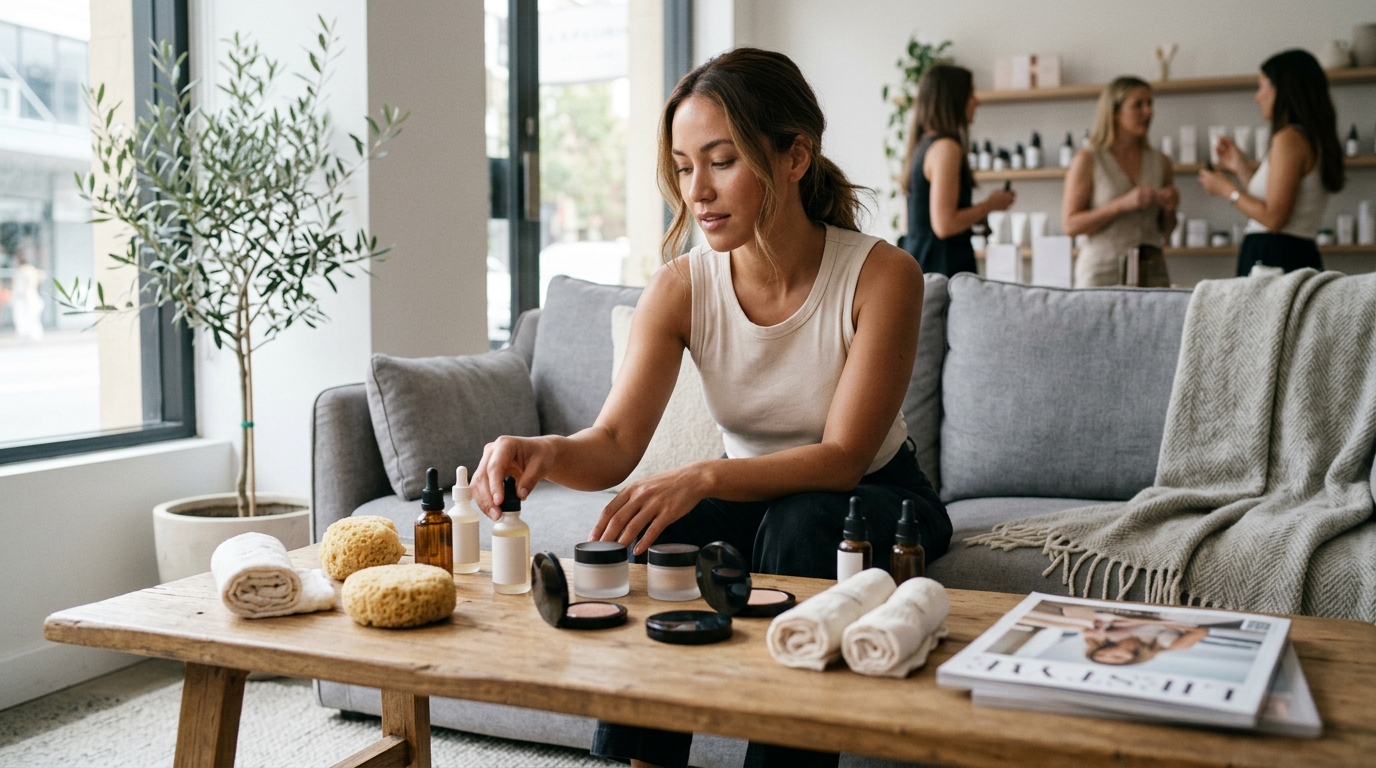
Approximately eighty-five percent of adults purchase skincare products without understanding their baseline dermatological profile, leading to chronic irritation and wasted capital. Dermatological data shows that mismatched formulations disrupt the lipid barrier and accelerate visible aging. Selecting the correct cosmetic regimen requires a systematic evaluation of your natural oil production, hydration retention, and reactive tendencies. This tutorial provides a structured framework for matching products to your unique biological requirements.
Understanding Your Baseline Skin Type
Identifying your baseline classification dictates every subsequent purchasing decision. Normal skin is a balanced complexion that produces minimal excess sebum while maintaining consistent hydration levels. You can test your classification by washing your face and waiting two hours without applying any products. Observe the T-zone and cheek areas for shine, tightness, or visible flaking. This simple diagnostic step prevents you from purchasing heavy occlusives for oily zones or lightweight gels for dry regions.
The Five Standard Classifications
Manufacturers categorize formulations around five distinct profiles. Dry skin requires ceramide-rich creams that reinforce the stratum corneum. Oily skin benefits from water-based serums containing salicylic acid to clear congested follicles. Combination skin demands targeted application strategies that treat the forehead and chin differently than the cheeks. Mature skin requires retinoids and peptides that stimulate cellular turnover. Recognizing your specific classification eliminates guesswork and optimizes product absorption rates.
Matching Active Ingredients to Your Concerns
Ingredient selection must align directly with your primary dermatological objectives. Hyaluronic acid is a naturally occurring glycosaminoglycan that binds water molecules to maintain tissue elasticity and hydration. Products containing this compound suit dehydrated complexions across all classifications. Conversely, individuals managing persistent breakouts should prioritize niacinamide and zinc formulations to regulate sebum output. Always verify the concentration percentages on packaging labels to ensure clinical efficacy without triggering inflammatory responses.
Hydration Versus Oil Control
Formulation weight determines how cosmetics interact with your natural barrier. Lightweight gel moisturizers absorb rapidly and leave zero residue on congested pores. Richer emollient creams create a protective seal that prevents transepidermal water loss during cold weather. Reading the full ingredient list prevents accidental exposure to comedogenic oils like coconut or cocoa butter. Clinical studies indicate that properly matched hydration levels reduce visible pore size by thirty percent within eight weeks.
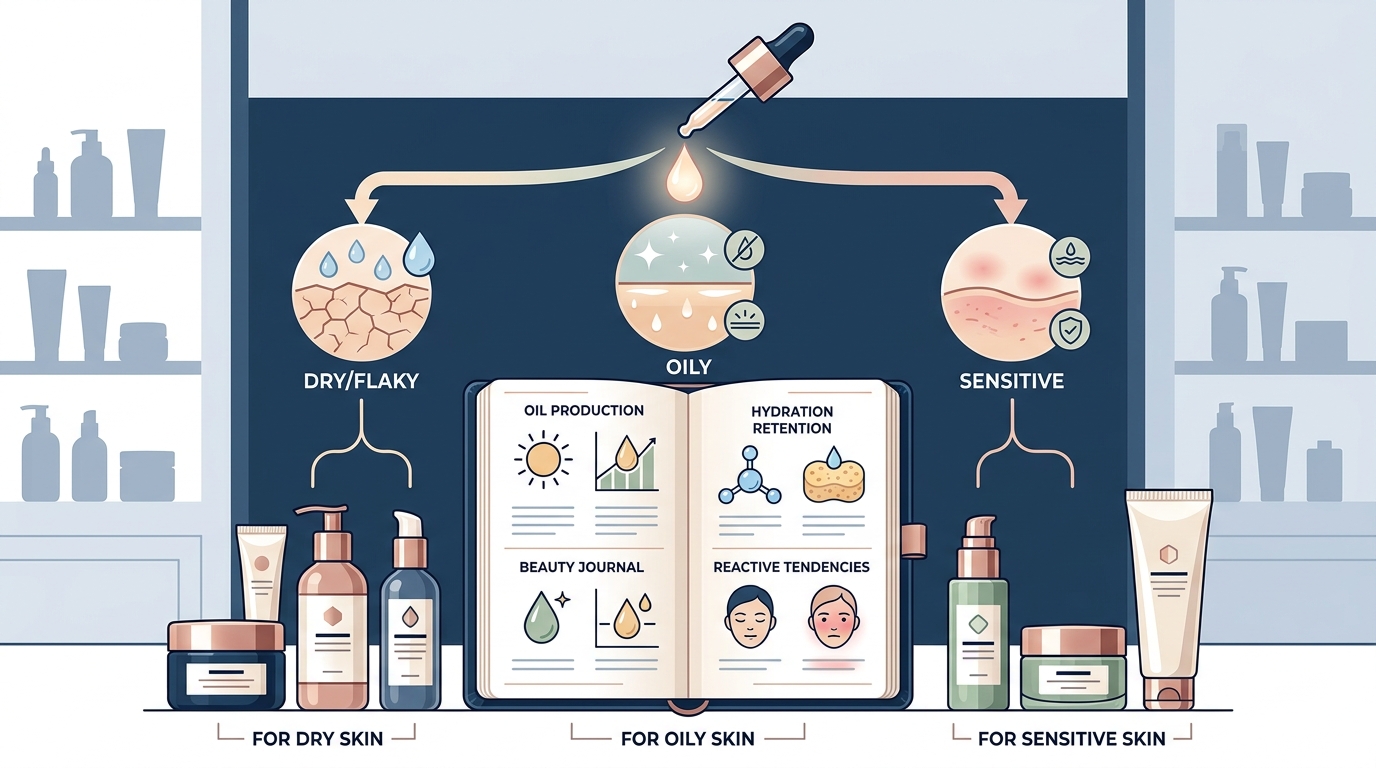
Navigating Sensitive and Reactive Complexions
Reactive skin demands a minimalist approach to product layering. Sensitive skin is a hyper-responsive complexion that exhibits redness, stinging, or itching when exposed to common environmental triggers. You must eliminate synthetic fragrances, alcohol denat, and harsh sulfates from your daily routine. Patch testing every new formulation on your inner forearm for forty-eight hours prevents full-face inflammatory reactions. Health organizations report that over ninety percent of reactive flare-ups stem from improperly formulated cleansers.
Fragrance-Free Formulations
Marketing terminology often obscures the presence of masking perfumes. Always search for explicit fragrance-free certifications rather than relying on scent descriptions. Botanical extracts like chamomile and calendula provide soothing alternatives without triggering histamine release. Browse our complete skincare collection to filter products specifically designed for reactive complexions. Consistent use of barrier-repairing moisturizers reduces baseline reactivity over extended periods.
Integrating Advanced Tools and Treatments
Topical cosmetics achieve maximum efficacy when paired with targeted delivery devices. LED light therapy is a non-invasive wavelength treatment that stimulates cellular mitochondria to accelerate tissue repair and collagen synthesis. Blue light wavelengths target acne-causing bacteria while red light wavelengths reduce deep inflammation. These devices complement your daily regimen by enhancing product penetration without increasing chemical irritation. Explore our curated skincare tools to integrate clinical-grade technology into your home routine.
Microcurrent and Cleansing Devices
Manual cleansing brushes remove residual pollutants that standard washes cannot reach. Microcurrent devices deliver low-level electrical impulses that tone facial musculature and improve product absorption. Regular usage schedules require consistent maintenance to preserve visible lifting effects. Pairing these tools with antioxidant serums maximizes long-term structural benefits.
Selecting Premium Brand Collections
Brand reputation often correlates with rigorous clinical testing and transparent ingredient sourcing. Retinol is a vitamin A derivative that accelerates cellular turnover to diminish fine lines and uneven pigmentation. Established luxury houses formulate these compounds at stable concentrations to prevent degradation. La Mer formulations utilize proprietary marine extracts to support barrier recovery. Clinique collections prioritize allergy-tested protocols for predictable daily performance. Inika Organic lines deliver certified botanical actives without synthetic preservatives.
Luxury Skincare and Organic Alternatives
Price points rarely guarantee superior biological outcomes. Luxury brands invest heavily in proprietary delivery systems that stabilize volatile compounds. Organic alternatives focus on cold-pressed botanicals that retain natural enzyme activity. Evaluate your budget against your specific biological requirements rather than brand prestige alone.
Professional Assessment and Clinical Services
Self-diagnosis frequently overlooks underlying hormonal fluctuations or environmental damage. Schedule a professional skin consult to receive a comprehensive analysis of your current regimen. Licensed aestheticians utilize magnification lamps and UV imaging to detect subclinical damage. These assessments generate customized product roadmaps that eliminate trial-and-error purchasing. Bespoke luxury facials combine manual extraction with targeted serums to restore immediate radiance.
Expert Skin Consultations
Advanced aesthetic procedures complement daily cosmetic routines. HIFU eye lifting targets deep tissue layers to stimulate structural tightening. HIFU double chin treatments address submental fat accumulation without surgical intervention. Pigmentation and age spot protocols utilize targeted light energy to break down concentrated melanin clusters. Rosacea management programs focus on vascular stabilization and barrier reinforcement. VIP skincare experiences deliver comprehensive diagnostic evaluations alongside premium product recommendations.
Cosmetic Selection Reference Table
| Skin Classification | Recommended Product Category | Primary Active Ingredients | Target Concerns |
|---|---|---|---|
| Normal | Balanced Moisturizers | Antioxidants, Ceramides | Maintenance, Prevention |
| Dry | Rich Emollient Creams | Hyaluronic Acid, Squalane | Flaking, Tightness |
| Oily | Water-Based Gels | Salicylic Acid, Niacinamide | Shine, Congestion |
| Combination | Targeted Serums | Zinc, Green Tea Extract | Zone-specific regulation |
| Mature | Peptide Complexes | Retinol, Collagen Boosters | Wrinkles, Loss of Firmness |
Key Takeaways
- Eighty-five percent of consumers purchase mismatched formulations, causing chronic barrier disruption.
- Normal skin maintains balanced sebum production without requiring heavy occlusives.
- Hyaluronic acid binds water molecules to maintain tissue elasticity across all classifications.
- Sensitive skin exhibits redness or stinging when exposed to common environmental triggers.
- Clinical studies indicate properly matched hydration levels reduce visible pore size by thirty percent.
- LED light therapy stimulates cellular mitochondria to accelerate tissue repair and collagen synthesis.
- Retinol accelerates cellular turnover to diminish fine lines and uneven pigmentation.
Frequently Asked Questions
How do I determine if my skin is oily or dehydrated?
Oily skin produces excess sebum at the surface while dehydrated skin lacks internal water content. You can test this by blotting your face with tissue paper after two hours. Visible oil stains indicate excess sebum production. Tightness or flaking without visible shine indicates dehydration. Dehydrated oily skin requires lightweight hydration rather than oil-stripping cleansers.
Can I use anti-aging products if I have acne-prone skin?
Yes, but you must select non-comedogenic formulations that do not clog pores. Look for retinol alternatives like bakuchiol or encapsulated retinaldehyde. These compounds stimulate turnover without triggering inflammatory breakouts. Apply anti-aging serums only to clean, dry skin before moisturizing.
What is the correct order for applying multiple skincare products?
Always apply products from thinnest consistency to thickest viscosity. Begin with water-based toners and essences. Follow with targeted serums containing active compounds. Finish with occlusive moisturizers and sunscreen during daytime routines. This sequence ensures maximum penetration without creating barrier interference.
How often should I replace my existing cosmetic products?
Most formulations maintain stability for twelve to eighteen months after opening. Discard products that change color, develop an unusual odor, or separate into distinct layers. Cosmetic science journals note that expired antioxidants lose efficacy and may oxidize on the skin. Store all products away from direct sunlight and humidity to preserve chemical integrity.
Is it necessary to use separate products for day and night routines?
Daytime formulations prioritize environmental protection and lightweight absorption. Nighttime regimens focus on cellular repair and deeper penetration. Switching products allows you to utilize heavier occlusives without compromising daytime makeup application. Consistent rotation prevents product buildup and maintains barrier function.
How long does it take for new cosmetics to show visible results?
Most topical formulations require twenty-eight days to complete a full cellular turnover cycle. Professional skin consults establish baseline metrics to track progress accurately. Visible improvements in texture typically appear within four weeks. Significant pigmentation reduction requires eight to twelve weeks of consistent application.
Begin Your Personalized Regimen Today
Matching cosmetics to your biological profile eliminates wasted expenditure and prevents chronic irritation. Visit beautyaffairs.com.au to explore our curated collections and schedule a professional assessment. Our Sydney CBD and Brookvale locations provide expert guidance for every skin classification. Transform your daily routine into a precise, results-driven protocol.