
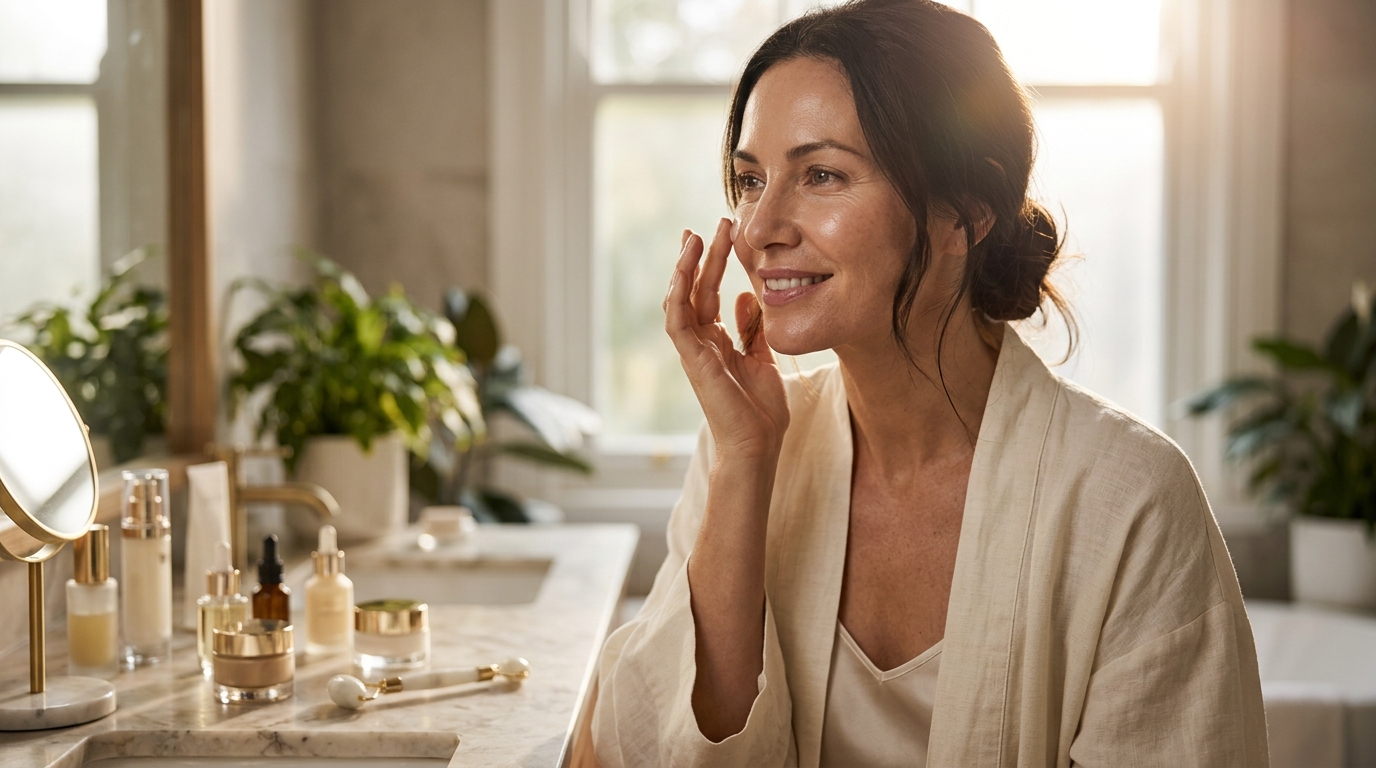
Aging is a natural biological process, but the visible signs on your skin do not have to be inevitable. According to recent dermatological studies, consistent use of targeted skincare products can significantly reduce the appearance of fine lines and improve skin elasticity over time. This guide provides a structured, evidence-based approach to building an effective anti-aging routine that works for your specific skin type. We will explore the essential ingredients, the correct order of application, and the professional treatments that can accelerate your results.
Understanding Skin Aging
Skin aging is primarily driven by two factors: intrinsic aging, which is genetic and chronological, and extrinsic aging, which is caused by environmental factors like UV radiation and pollution. Photoaging is the premature aging of the skin caused by exposure to ultraviolet light. It accounts for up to 80% of visible facial aging. This process breaks down collagen and elastin, the proteins that keep skin firm and supple. Without intervention, this leads to wrinkles, sagging, and uneven pigmentation. (111Skin Masks amp Skincare)
Collagen is a structural protein found in the skin that provides strength and elasticity. As we age, our body produces less collagen, leading to the formation of fine lines. Retinol is a derivative of vitamin A that helps stimulate collagen production and cell turnover. By incorporating retinol into your routine, you can help reverse some of the damage caused by sun exposure and time.
Antioxidants are molecules that help protect cells from damage caused by unstable molecules known as free radicals. Vitamin C is a potent antioxidant that brightens the skin and boosts collagen synthesis. It is particularly effective when used in the morning to neutralize free radicals generated by UV exposure and pollution.
The Core Anti-Aging Routine
Building an effective routine requires consistency and the right sequence of products. A well-structured routine ensures that active ingredients penetrate the skin effectively without causing irritation. Here is the recommended order for your daily regimen.
Morning Routine: Protection and Prevention
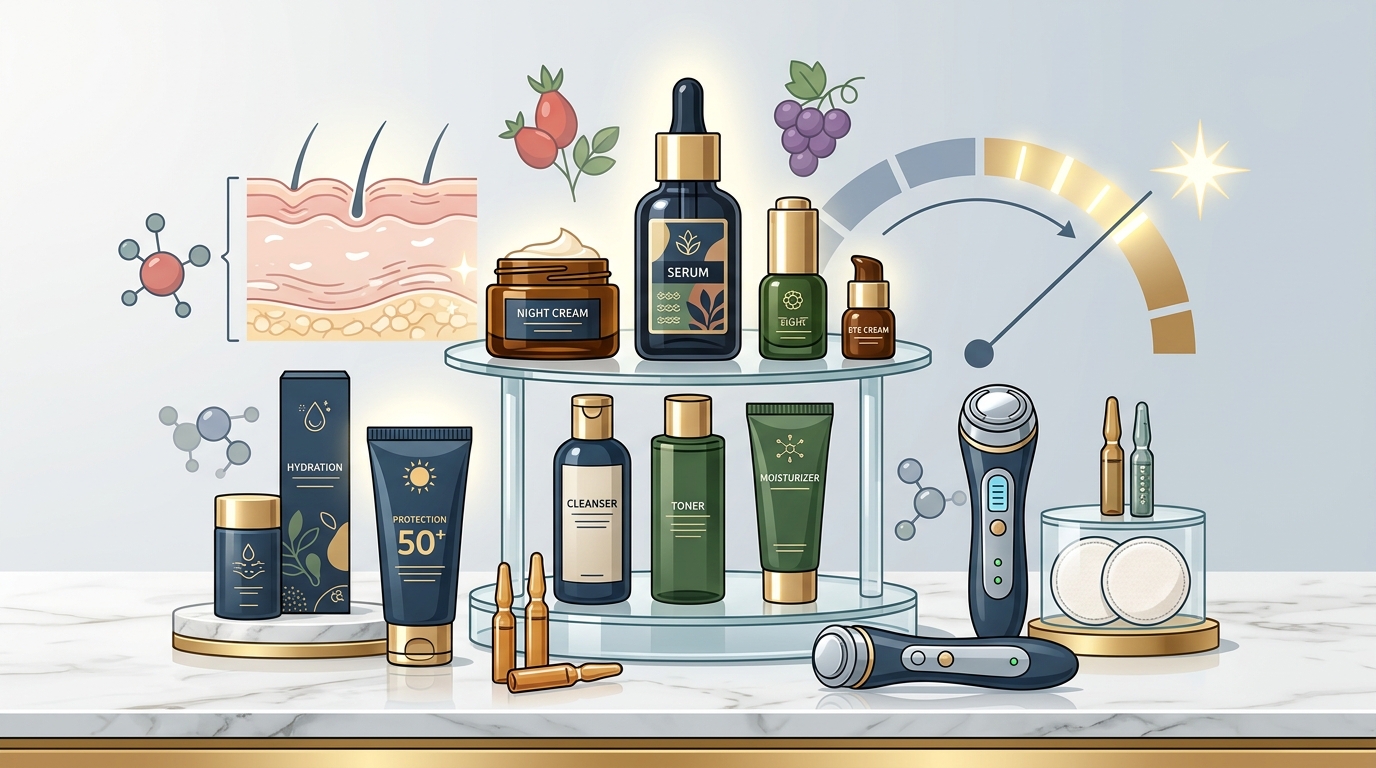
The morning routine focuses on protecting your skin from daily environmental aggressors. Start with a gentle cleanser to remove overnight buildup. Next, apply a vitamin C serum to brighten and protect. Follow with a moisturizer to hydrate and lock in the serum. Finally, apply a broad-spectrum sunscreen with at least SPF 30. Sunscreen is the most critical anti-aging product you will ever use. It prevents further UV damage and stops existing pigmentation from darkening.
Evening Routine: Repair and Renewal
The evening routine is dedicated to repairing the damage done during the day. Begin by double cleansing to ensure all makeup and sunscreen are removed. Apply a retinol or retinoid product to stimulate cell turnover. This is the time when your skin naturally repairs itself, making it the ideal window for active ingredients. Finish with a rich, nourishing moisturizer to support the skin barrier and prevent moisture loss overnight.
Key Anti-Aging Ingredients
Not all ingredients are created equal. Understanding what to look for on product labels is essential for achieving results. Here are the most effective ingredients for combating signs of aging.
Retinol is a form of vitamin A that accelerates cell turnover and boosts collagen production. It is considered the gold standard in anti-aging skincare. However, it can cause irritation if introduced too quickly. Start with a low concentration and gradually increase frequency as your skin builds tolerance.
Hyaluronic acid is a humectant that attracts and retains moisture in the skin. It helps plump the skin, reducing the appearance of fine lines. It is suitable for all skin types and can be used both morning and night. Look for products with multiple molecular weights for deeper penetration.
Niacinamide is a form of vitamin B3 that improves skin elasticity, enhances the skin barrier, and diminishes hyperpigmentation. It is a versatile ingredient that works well with most other actives, including retinol and vitamin C. It helps to reduce redness and inflammation, making it ideal for sensitive skin types.
Professional Medispa Treatments
While a good home routine is vital, professional treatments can provide more dramatic and faster results. At Beauty Affairs, we offer a range of advanced treatments designed to target specific aging concerns. These treatments complement your home routine by addressing issues that topical products cannot reach.
HIFU (High-Intensity Focused Ultrasound) is a non-invasive treatment that uses ultrasound energy to lift and tighten the skin. It targets the foundational layer of the skin, stimulating collagen production deep within. This treatment is particularly effective for sagging jowls and a double chin. You can explore our advanced skincare treatments to see how HIFU can benefit your skin.
Bespoke luxury facials are customized treatments that combine various techniques and products to address your unique skin needs. These facials often include extractions, massage, and the application of high-potency serums. They provide immediate hydration and glow while promoting long-term skin health. Book a skin consult to determine which facial is right for you.
Pigmentation treatments target dark spots and age spots caused by sun damage. These treatments often use laser technology or chemical peels to break down excess melanin. Consistent use of sunscreen is crucial to maintain results and prevent new spots from forming. For more information on managing pigmentation, visit our pigmentation and age spots page.
Lifestyle Factors for Skin Health
Skincare is not just about what you put on your skin. Your lifestyle choices play a significant role in how your skin ages. Hydration, diet, and sleep are foundational to skin health.
Drinking enough water helps keep your skin hydrated and plump. Dehydrated skin is more prone to showing fine lines and wrinkles. Aim for at least eight glasses of water a day. Additionally, a diet rich in antioxidants, healthy fats, and vitamins supports skin health from the inside out.
Sleep is when your body repairs itself. During deep sleep, your body produces growth hormones that help repair damaged cells. Lack of sleep can lead to increased cortisol levels, which breaks down collagen. Aim for seven to nine hours of quality sleep each night. Sleeping on your back can also prevent sleep lines from becoming permanent wrinkles.
Stress management is crucial for maintaining youthful skin. Chronic stress accelerates aging by increasing inflammation and breaking down collagen. Practices such as meditation, yoga, or regular exercise can help reduce stress levels. For more tips on holistic skin health, check out our health and wellness section.
Key Takeaways
- Sunscreen is non-negotiable: Daily SPF 30+ use prevents 80% of visible aging.
- Retinol is the gold standard: It stimulates collagen and accelerates cell turnover.
- Vitamin C protects: Use it in the morning to neutralize free radicals.
- Hydration is key: Hyaluronic acid helps plump skin and reduce fine lines.
- Professional treatments help: HIFU and facials offer deeper anti-aging benefits.
- Lifestyle matters: Sleep, diet, and stress management impact skin aging.
- Consistency wins:
Frequently Asked Questions
What is the best anti-aging ingredient?
Retinol is widely considered the most effective anti-aging ingredient due to its ability to stimulate collagen production and increase cell turnover. However, individual skin tolerance varies, so it is important to introduce it slowly.
When should I start using anti-aging products?
Prevention is better than cure. Many dermatologists recommend starting a basic anti-aging routine in your mid-20s. This includes daily sunscreen and antioxidants to prevent damage before it occurs.
Can I use retinol and vitamin C together?
It is generally recommended to use them at different times. Use vitamin C in the morning for protection and retinol at night for repair. This prevents potential irritation and ensures both ingredients work effectively.
How often should I get a facial?
For most skin types, a facial every four to six weeks is ideal. This aligns with the skin's natural cell turnover cycle. For specific concerns like pigmentation, your aesthetician may recommend a different frequency.
What is HIFU and is it safe?
HIFU (High-Intensity Focused Ultrasound) is a non-invasive treatment that uses ultrasound energy to lift and tighten skin. It is safe when performed by a qualified professional. It stimulates collagen deep within the skin without damaging the surface.
Does diet affect skin aging?
Yes, a diet high in sugar and processed foods can accelerate aging through a process called glycation. A diet rich in antioxidants, healthy fats, and vitamins supports skin health and slows the aging process.
How long does it take to see results from anti-aging products?
It typically takes at least 12 weeks of consistent use to see significant improvements in skin texture and fine lines. Patience and consistency are key to achieving long-term results.
Start Your Anti-Aging Journey
Building an effective anti-aging routine is a journey that requires patience, consistency, and the right products. By combining a solid home regimen with professional treatments, you can achieve radiant, youthful-looking skin. At Beauty Affairs, we are dedicated to helping you look and feel your best. Explore our luxury skincare collection to find the perfect products for your needs. Book a skin consult today to create a personalized plan for your skin.