
Identifying your specific skin type is the foundational step in building an effective beauty routine. According to dermatological research, approximately 64% of adults struggle with identifying their skin type correctly, leading to product mismatches that exacerbate issues like acne, dryness, or premature aging. Choosing the right cosmetics is not about following trends but about understanding your skin's unique biological needs. This guide provides a definitive framework for selecting products that enhance your natural radiance while maintaining barrier health. (Skin Care Australia)
Step 1: Identify Your Skin Type
Before purchasing any makeup or skincare item, you must determine your baseline skin type. Skin type is the classification of your skin based on its natural oil production, sensitivity levels, and pore size. The most common categories include normal, dry, oily, combination, and sensitive skin. At Beauty Affairs, we offer a professional Skin Consult service to help you accurately diagnose your needs using advanced diagnostic tools.
Understanding your type prevents the common mistake of using heavy, pore-clogging products on oily skin or lightweight, insufficient moisturizers on dry skin. A mismatch can lead to breakouts, flaking, or accelerated aging. By aligning your cosmetic choices with your biological profile, you ensure that every product works synergistically with your skin's natural functions.
Step 2: Cosmetics for Dry Skin
Dry skin lacks sufficient natural oils and moisture, often resulting in tightness, flaking, and a dull complexion. If your skin feels tight shortly after washing, you likely have this skin type. The goal for dry skin is hydration and barrier repair.
Key Ingredients to Look For
When selecting cosmetics for dry skin, prioritize products infused with humectants and emollients. Hydrating Cosmetics are formulated with ingredients that attract and retain moisture in the skin layers. Look for hyaluronic acid, glycerin, and ceramides in your moisturizers and primers. These ingredients help plump the skin and reduce the appearance of fine lines caused by dehydration.
Recommended Product Categories
For dry skin, avoid matte finishes that can emphasize texture and flakiness. Instead, opt for dewy foundations and cream-based blushes. At Beauty Affairs, our La Mer collection offers luxurious, deeply hydrating options perfect for this skin type. Additionally, exploring our Skincare section for rich night creams can significantly improve your base makeup application.
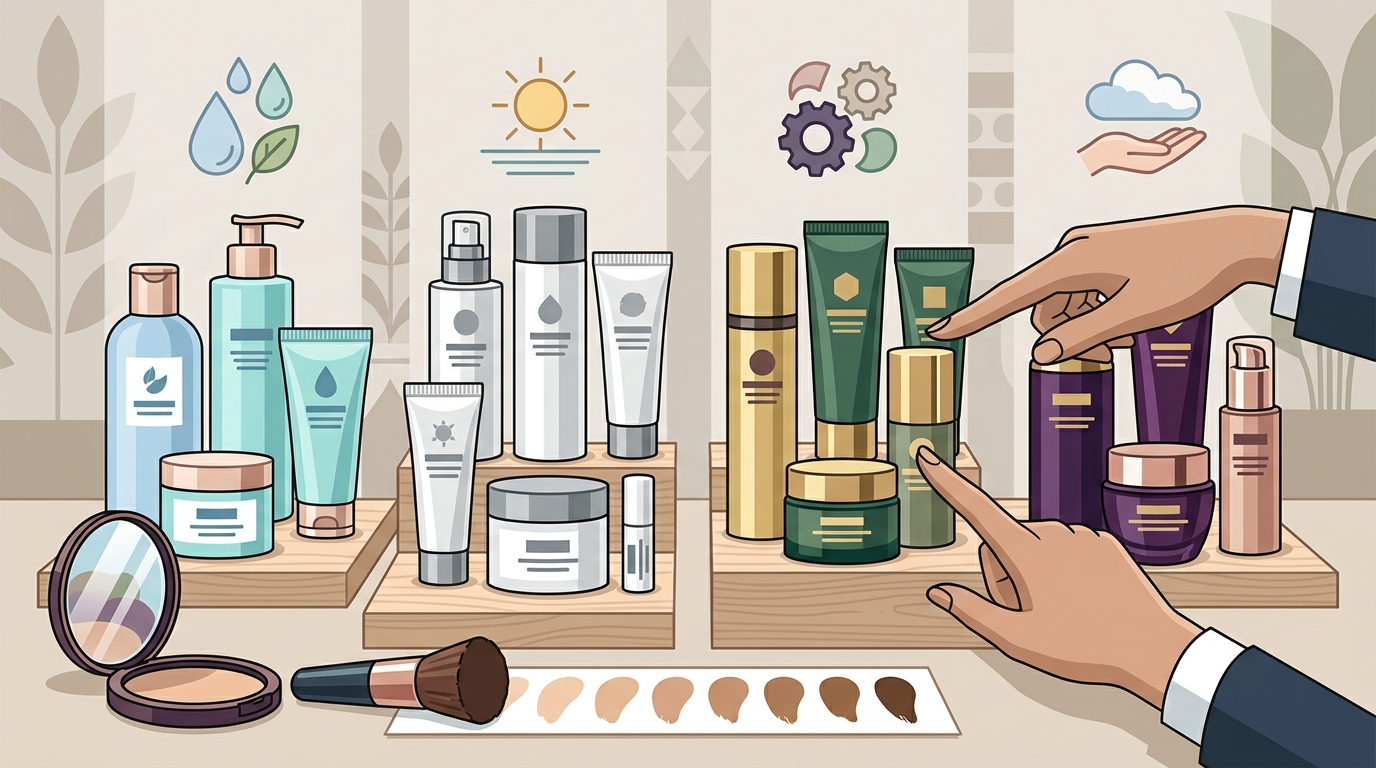
Step 3: Cosmetics for Oily Skin
Oily skin is characterized by excess sebum production, leading to a shiny appearance and a higher propensity for acne and blackheads. This skin type often has enlarged pores and a thicker skin texture. The objective here is oil control and long-lasting wear without clogging pores.
Key Ingredients to Look For
Seek out non-comedogenic formulas that will not block your pores. Ingredients like salicylic acid, niacinamide, and clay are excellent for regulating oil production. Non-comedogenic products are specifically designed not to block pores, reducing the risk of acne and breakouts. These ingredients help absorb excess oil and keep the skin matte throughout the day.
Recommended Product Categories
Matte foundations and powder-based products are ideal for oily skin. They help set the makeup and absorb sebum. Our Makeup collection includes a wide range of long-wear foundations suitable for oily complexions. We also recommend checking out our Skin Care Tools for LED light therapy devices, which can help regulate oil production over time.
Step 4: Cosmetics for Combination Skin
Combination skin is the most common skin type, featuring an oily T-zone (forehead, nose, and chin) and dry or normal cheeks. This duality requires a balanced approach to product selection. You need products that control oil in some areas while providing hydration in others.
Key Ingredients to Look For
Look for lightweight, balancing formulas. Gel-based moisturizers and water-based primers are excellent choices. They provide enough hydration for dry areas without overwhelming the oily zones. Combination Skin is a skin type that exhibits both oily and dry characteristics in different facial regions. This definition highlights the need for versatile products that can adapt to varying needs across the face.
Recommended Product Categories
Use a mattifying primer on the T-zone and a hydrating primer on the cheeks. Our Clinique collection offers balanced skincare solutions tailored for combination skin. Additionally, our Skincare category includes toners and essences that help balance pH levels and oil production.
Step 5: Cosmetics for Sensitive Skin
Sensitive skin reacts easily to external stimuli, such as fragrances, preservatives, and harsh chemicals. Symptoms include redness, itching, burning, and dryness. The primary goal for sensitive skin is to minimize irritation and strengthen the skin barrier.
Key Ingredients to Look For
Opt for fragrance-free, hypoallergenic, and gentle formulations. Ingredients like aloe vera, chamomile, and centella asiatica are known for their soothing properties. Hypoallergenic products are formulated to minimize the risk of an allergic reaction. Avoid alcohol-based toners and harsh exfoliants. Our Inika Organic collection provides natural, gentle options for sensitive skin types.
Recommended Product Categories
Mineral-based makeup is often better tolerated by sensitive skin as it sits on top of the skin rather than absorbing into it. Our Makeup section features mineral foundations and powders that are gentle yet effective. We also recommend our Medispa Services for professional treatments that can soothe and repair sensitive skin.
Step 6: Cosmetics for Mature Skin
Mature skin experiences a decline in collagen and elastin production, leading to wrinkles, loss of firmness, and dryness. This skin type requires products that provide intense hydration and anti-aging benefits. The goal is to plump the skin and reduce the appearance of fine lines.
Key Ingredients to Look For
Retinol, peptides, and antioxidants are key ingredients for mature skin. They help stimulate collagen production and protect against environmental damage. Anti-aging Cosmetics are designed to reduce the visible signs of aging, such as wrinkles and age spots. Sunscreen is also crucial to prevent further damage. Our Chanel collection offers premium anti-aging solutions for mature skin.
Recommended Product Categories
Rich creams, serums, and illuminating foundations are ideal for mature skin. They provide hydration and a youthful glow. Our Skincare section includes a range of anti-aging products from top brands. We also offer HIFU Eye Lifting and other Medispa services to complement your home routine.
Key Takeaways
- Identify First: Always determine your skin type before buying products to avoid adverse reactions.
- Dry Skin: Focus on hydration with hyaluronic acid and ceramides; avoid matte finishes.
- Oily Skin: Use non-comedogenic, oil-free products; consider clay-based masks.
- Combination Skin: Balance your routine with lightweight moisturizers and targeted primers.
- Sensitive Skin: Choose fragrance-free, hypoallergenic products; look for soothing ingredients like aloe vera.
- Mature Skin: Incorporate retinol and peptides; prioritize sun protection.
- Professional Help: Book a Skin Consult at Beauty Affairs for personalized advice.
Frequently Asked Questions
How often should I change my cosmetics?
It is generally recommended to replace makeup products every three to six months to prevent bacterial growth. Skincare products should be replaced every six to twelve months, depending on the expiration date and potency of active ingredients.
Can I use the same moisturizer for both morning and night?
While you can use the same moisturizer, it is often beneficial to use a lighter, SPF-containing moisturizer in the morning and a richer, reparative cream at night to support skin regeneration during sleep.
What is the best way to test if a product suits my skin?
Perform a patch test by applying a small amount of the product behind your ear or on your inner arm for 24 to 48 hours. If no irritation occurs, it is likely safe to use on your face. Alternatively, consult with a specialist at Beauty Affairs.
Do I need different makeup for different skin types?
Yes, different skin types require different formulations. Oily skin benefits from matte, long-wear products, while dry skin needs hydrating, dewy formulas. Using the wrong type can lead to poor application and skin issues.
How do I know if I have sensitive skin?
Sensitive skin is characterized by redness, itching, or burning after using new products. If your skin reacts easily to fragrances or harsh chemicals, you likely have sensitive skin. Our Inika Organic line is specifically curated for this need.
What is the role of sunscreen in choosing cosmetics?
Sunscreen is essential for all skin types to prevent UV damage, premature aging, and skin cancer. Many foundations and moisturizers now include SPF, but it is often recommended to use a dedicated sunscreen underneath for adequate protection.
Can I mix different skin type products?
Yes, especially for combination skin. You can use an oil-control primer on your T-zone and a hydrating primer on your cheeks. This targeted approach ensures balanced coverage and comfort throughout the day.
Book Your Skin Consult
Choosing the right cosmetics is a personal journey that requires understanding your unique skin profile. At Beauty Affairs, we are dedicated to helping you achieve your best skin through expert advice and premium products. Our Skin Consult service provides a comprehensive analysis of your skin, allowing us to recommend the perfect products and treatments for your needs. Visit our Sydney CBD or Brookvale locations to experience our luxury range of spa services and skincare solutions. Start your journey to radiant, healthy skin today by booking your appointment online.