
Photoaging accounts for up to 80% of visible facial aging, a statistic that is particularly critical for Australians due to the country's high UV index levels. According to the Cancer Council of Australia, the risk of developing skin cancer is among the highest in the world, making daily protective skincare not just a cosmetic choice but a medical necessity. This guide outlines a scientifically backed routine designed to combat wrinkles, loss of elasticity, and pigmentation while maintaining the skin barrier integrity essential for long-term health.
Understanding Skin Aging Mechanisms
To effectively combat aging, one must first understand the biological processes at play. Collagen is a structural protein that provides skin with strength and elasticity. As we age, collagen production naturally declines, leading to sagging and fine lines. Elastin is a protein that allows tissues in the body to resume their shape after stretching or contracting. The degradation of elastin results in loose, less resilient skin.
Furthermore, glycation is the process where sugar molecules bind to proteins, forming advanced glycation end products (AGEs) that damage collagen and elastin fibers. This is why managing diet and blood sugar levels is often cited alongside topical treatments in holistic anti-aging strategies. In the Australian context, environmental stressors such as intense UV radiation and dry inland winds accelerate these degradation processes, necessitating a more robust protective routine than in milder climates.
The Morning Defense Protocol
The primary goal of your morning routine is protection. You are preparing your skin to face UV radiation, pollution, and oxidative stress throughout the day. A rigorous morning regimen should follow this specific order of application to ensure maximum efficacy.
Step 1: Gentle Cleansing
Start with a gentle face cleanser to remove overnight sebum buildup without stripping the skin barrier. Harsh sulfates can compromise the lipid barrier, leading to increased transepidermal water loss. Look for hydrating cleansers containing glycerin or hyaluronic acid to maintain moisture levels. For those with sensitive skin, a micellar water or a non-foaming cream cleanser is often preferable to maintain comfort.
Step 2: Antioxidant Serum Application
This is the most critical step for anti-aging defense. Vitamin C is a potent antioxidant that neutralizes free radicals generated by UV exposure and pollution. It also inhibits melanin production, helping to fade existing dark spots and prevent new ones. Apply a L-ascorbic acid serum or a stable derivative like sodium ascorbyl phosphate to damp skin. This step boosts the efficacy of your sunscreen and provides a layer of chemical protection against environmental damage.
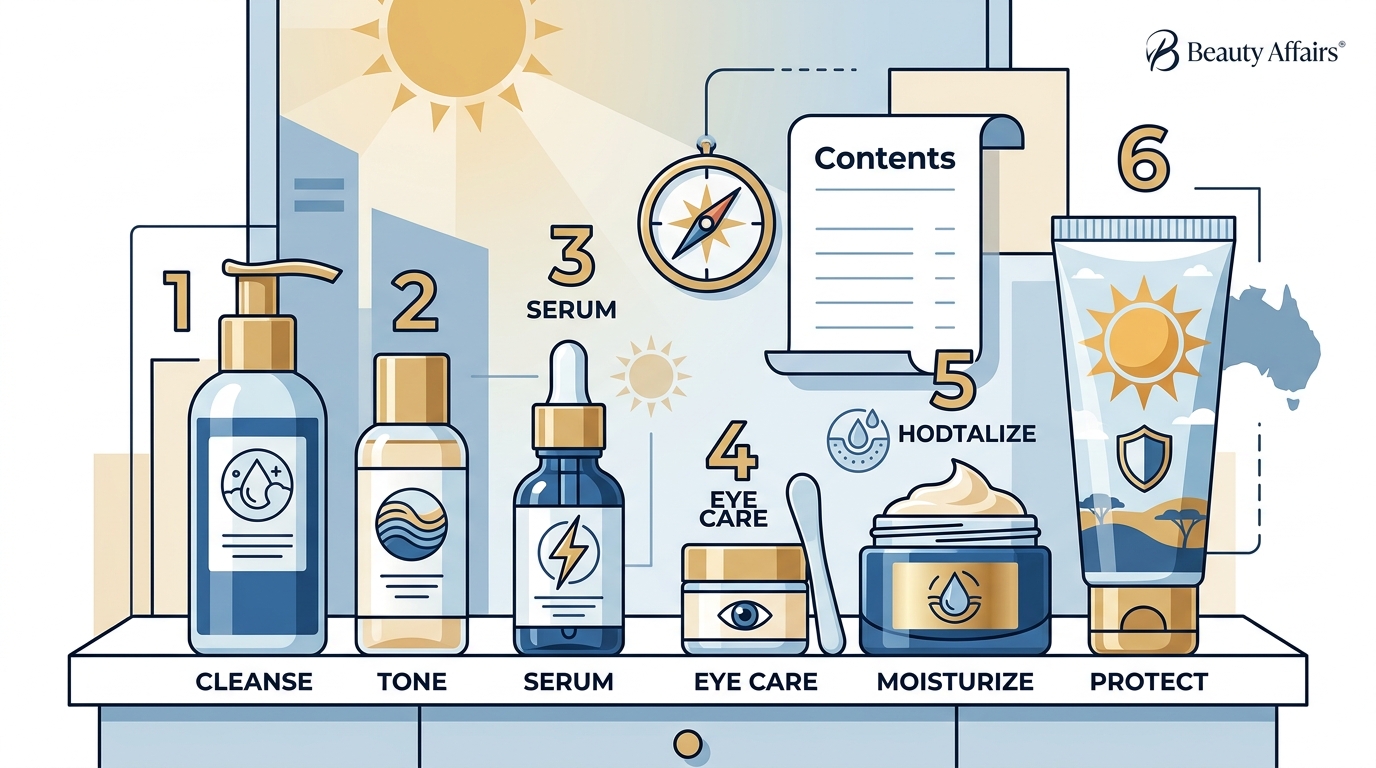
Step 3: Hydration and Moisturization
Even oily skin needs hydration. A lightweight, non-comedogenic moisturizer helps seal in the serum and maintains skin plumpness. Ingredients like ceramides and niacinamide are excellent for reinforcing the skin barrier. Niacinamide, also known as vitamin B3, helps regulate oil production and improves skin elasticity. For mature skin, a richer cream containing peptides can provide additional support.
Step 4: Broad-Spectrum Sunscreen
No anti-aging routine is complete without SPF. According to the Skin Cancer Foundation, daily use of broad-spectrum sunscreen can prevent up to 24% of visible signs of aging. Choose a sunscreen with at least SPF 30, preferably SPF 50+, that protects against both UVA and UVB rays. In Australia, where the ozone layer is thinner, reapplication every two hours is essential if you are outdoors. Mineral sunscreens containing zinc oxide are often recommended for sensitive skin as they sit on top of the skin and reflect UV rays.
The Evening Repair Cycle
At night, the skin shifts into repair mode. Cell turnover increases, and the skin is more permeable to active ingredients. Your evening routine should focus on renewal and deep hydration.
Step 1: Double Cleansing
Remove sunscreen and makeup with an oil-based cleanser or balm first, followed by a water-based cleanser. This ensures that pores are clear of debris that could lead to congestion or dullness. Double cleansing is particularly important if you wear heavy makeup or live in a polluted urban environment.
Step 2: Exfoliation (2-3 Times a Week)
Chemical exfoliation is superior to physical scrubs for anti-aging. Retinol is a derivative of vitamin A that accelerates cell turnover and stimulates collagen production. It is the gold standard in anti-aging topical treatments. Start with a low concentration (0.3%) and gradually increase as your skin builds tolerance. On nights when you do not use retinol, consider using an Alpha Hydroxy Acid (AHA) like glycolic acid to dissolve dead skin cells and reveal brighter skin underneath. Beta Hydroxy Acids (BHA) are better for oily or acne-prone skin as they penetrate deeper into pores.
Step 3: Targeted Treatments
Apply targeted serums for specific concerns. For fine lines around the eyes, use a peptide-rich eye cream. Peptides are short chains of amino acids that act as building blocks for proteins like collagen and elastin. For hyperpigmentation, look for ingredients like azelaic acid or kojic acid. These ingredients inhibit tyrosinase, the enzyme responsible for melanin production.
Step 4: Rich Moisturization and Occlusion
Seal in your treatments with a rich night cream. Ingredients like squalane, shea butter, and ceramides help lock in moisture. For extra hydration, consider using a facial oil or a sleeping mask two to three times a week. This occlusive layer prevents water loss while you sleep, allowing active ingredients to work more effectively.
Key Anti-Aging Ingredients Explained
Understanding the science behind ingredients allows you to make informed decisions. Below is a summary of the most effective anti-aging components.
| Ingredient | Primary Function | Best For | Usage Frequency |
|---|---|---|---|
| Retinol | Stimulates collagen, increases cell turnover | Wrinkles, texture, acne | Evening, start 2x/week |
| Vitamin C | Antioxidant, brightens, boosts SPF | Dullness, dark spots, UV damage | Morning |
| Hyaluronic Acid | Hydration, plumping | Dehydration, fine lines | Morning and Evening |
| Niacinamide | Barrier repair, oil regulation | Pores, redness, uneven tone | Morning and Evening |
| Peptides | Collagen support, skin firming | Sagging, loss of elasticity | Morning and Evening |
Professional Medispa Enhancements
While a home routine is essential, professional treatments can accelerate results and address concerns that topical products cannot. At Beauty Affairs, we offer a range of advanced therapies designed to complement your daily regimen.
LED Light Therapy
LED masks and devices use specific wavelengths of light to penetrate the skin. Red light therapy stimulates collagen and elastin production, while blue light targets acne-causing bacteria. Clinical studies have shown that consistent use of red light therapy can significantly reduce the appearance of fine lines and wrinkles. This non-invasive treatment is suitable for all skin types and requires no downtime.
HIFU (High-Intensity Focused Ultrasound)
HIFU is a non-surgical facelift that uses ultrasound energy to heat the deeper layers of the skin, stimulating the body's natural healing response and collagen production. It is particularly effective for lifting the eyebrows, tightening the skin around the eyes, and defining the jawline. Treatments like HIFU Eye Lifting and HIFU Double Chin are popular for targeting specific areas of concern without the need for invasive surgery.
Bespoke Luxury Facials
A bespoke facial is tailored to your unique skin needs, combining manual techniques with high-performance products. This service often includes a thorough skin analysis, extraction, massage, and the application of masks and serums specific to your concerns. Regular monthly facials can help maintain skin health, improve circulation, and ensure that your home care routine is working effectively.
Key Takeaways
- Daily SPF is non-negotiable: UV protection is the single most effective anti-aging step you can take.
- Retinol is the gold standard: It is the most clinically proven ingredient for reducing wrinkles and improving texture.
- Antioxidants boost protection: Vitamin C in the morning neutralizes free radicals and enhances sunscreen efficacy.
- Hydration plumps skin: Hyaluronic acid and ceramides help maintain skin barrier integrity and reduce the appearance of fine lines.
- Professional treatments accelerate results: Services like HIFU and LED therapy provide deeper penetration and more significant structural changes than topical products alone.
- Consistency is key: Anti-aging results take time. Stick to your routine for at least 12 weeks to see measurable improvements.
- Customize for your skin type: What works for oily skin may not work for dry skin. Adjust your product weights and active concentrations accordingly.
Frequently Asked Questions
How long does it take to see results from an anti-aging routine?
Skin cell turnover takes approximately 28 days for younger skin and longer for mature skin. Most topical treatments require 8 to 12 weeks of consistent use to show visible improvements in texture and tone. Collagen-stimulating treatments like retinol may take up to 6 months for significant structural changes.
Can I use retinol and vitamin C together?
It is generally recommended to use them at different times of the day. Vitamin C is best used in the morning for its antioxidant protection, while retinol is used in the evening to avoid degradation by sunlight and to minimize potential irritation. Using them simultaneously can increase the risk of sensitivity.
What is the best anti-aging ingredient for sensitive skin?
Niacinamide and peptides are excellent choices for sensitive skin as they are gentle yet effective. Retinol can be used by sensitive skin types if introduced slowly and in low concentrations, or by using retinaldehyde, which is milder. Always patch test new products.
Do I need a separate eye cream?
The skin around the eyes is thinner and more prone to dryness and wrinkles. While you can use your face moisturizer around the eyes, a dedicated eye cream provides targeted hydration and active ingredients like peptides or caffeine to address puffiness and fine lines more effectively.
How often should I exfoliate for anti-aging?
For most skin types, exfoliating 2 to 3 times a week is sufficient. Over-exfoliation can damage the skin barrier, leading to increased sensitivity and premature aging. Listen to your skin and reduce frequency if you experience redness or stinging.
What is HIFU and is it safe?
HIFU (High-Intensity Focused Ultrasound) is a non-invasive cosmetic procedure that uses ultrasound energy to lift and tighten the skin. It is considered safe when performed by qualified professionals. It works by heating the deep structural layers of the skin, stimulating collagen production without damaging the surface.
Can diet affect skin aging?
Yes, diet plays a significant role. High sugar intake can lead to glycation, which damages collagen. Antioxidant-rich foods like berries, leafy greens, and healthy fats like omega-3s help protect the skin from oxidative stress and support skin health from the inside out.
Start Your Anti-Aging Journey Today
Aging is a natural process, but how you age is largely in your control. By combining a disciplined home skincare routine with professional treatments, you can maintain youthful, healthy, and radiant skin. Whether you are looking to prevent early signs of aging or address existing concerns, the experts at Beauty Affairs are here to guide you.
Visit our Advanced Skincare Treatments page to explore our curated range of professional-grade products. For personalized advice, book a Skin Consult with our specialists in Sydney CBD or Brookvale. Discover our 111Skin collection for luxury anti-aging solutions or explore our Acne Breakouts solutions if you are managing breakouts alongside aging concerns. Take the first step towards timeless beauty by scheduling your Bespoke Luxury Facial today.