
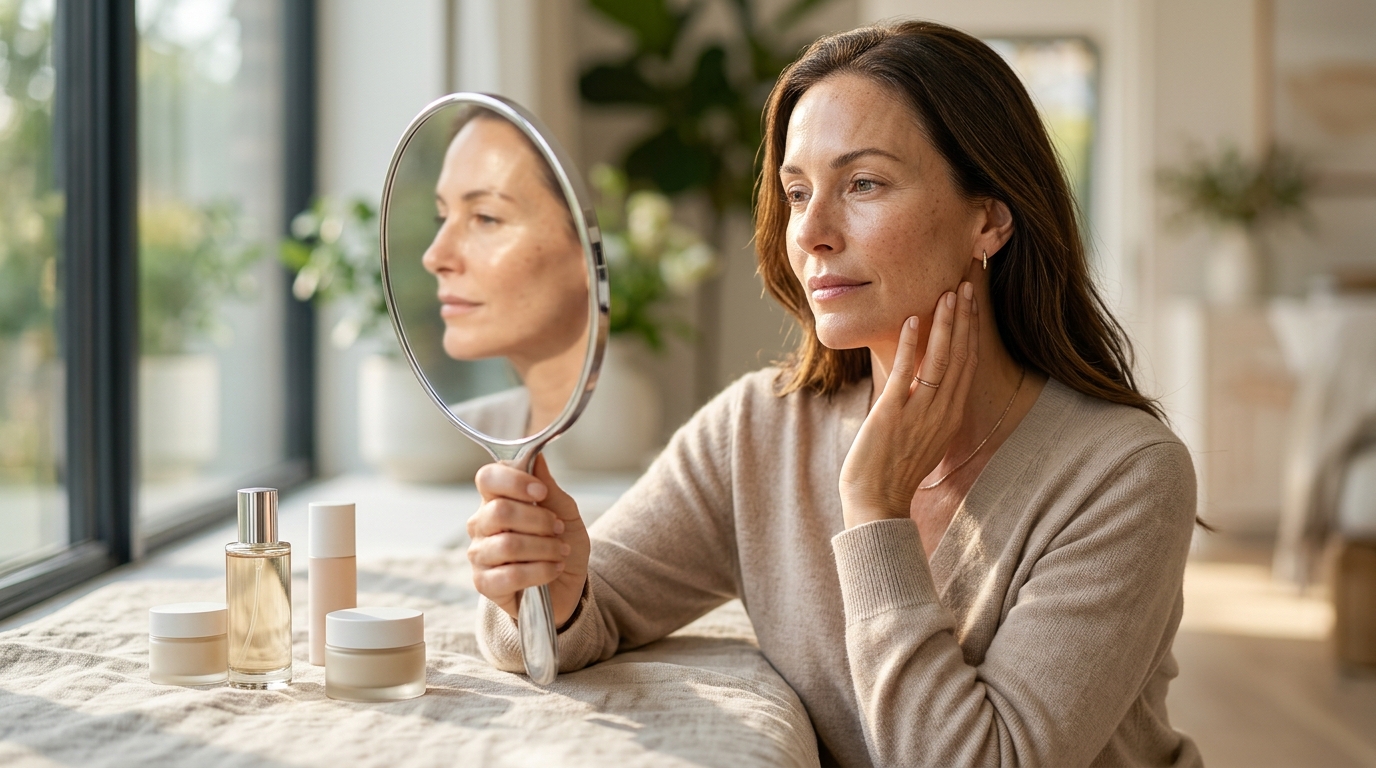
Choosing the right cosmetics is not a matter of following trends but of understanding your unique biological canvas. According to recent dermatological studies, approximately 50% of the population struggles with sensitive or reactive skin conditions that require specific formulation protocols. Using products mismatched to your skin type can disrupt the moisture barrier, leading to chronic inflammation, accelerated aging, and persistent breakouts. This guide provides a definitive framework for identifying your skin profile and selecting high-performance products from Beauty Affairs to optimize your results.
Identify Your Skin Type
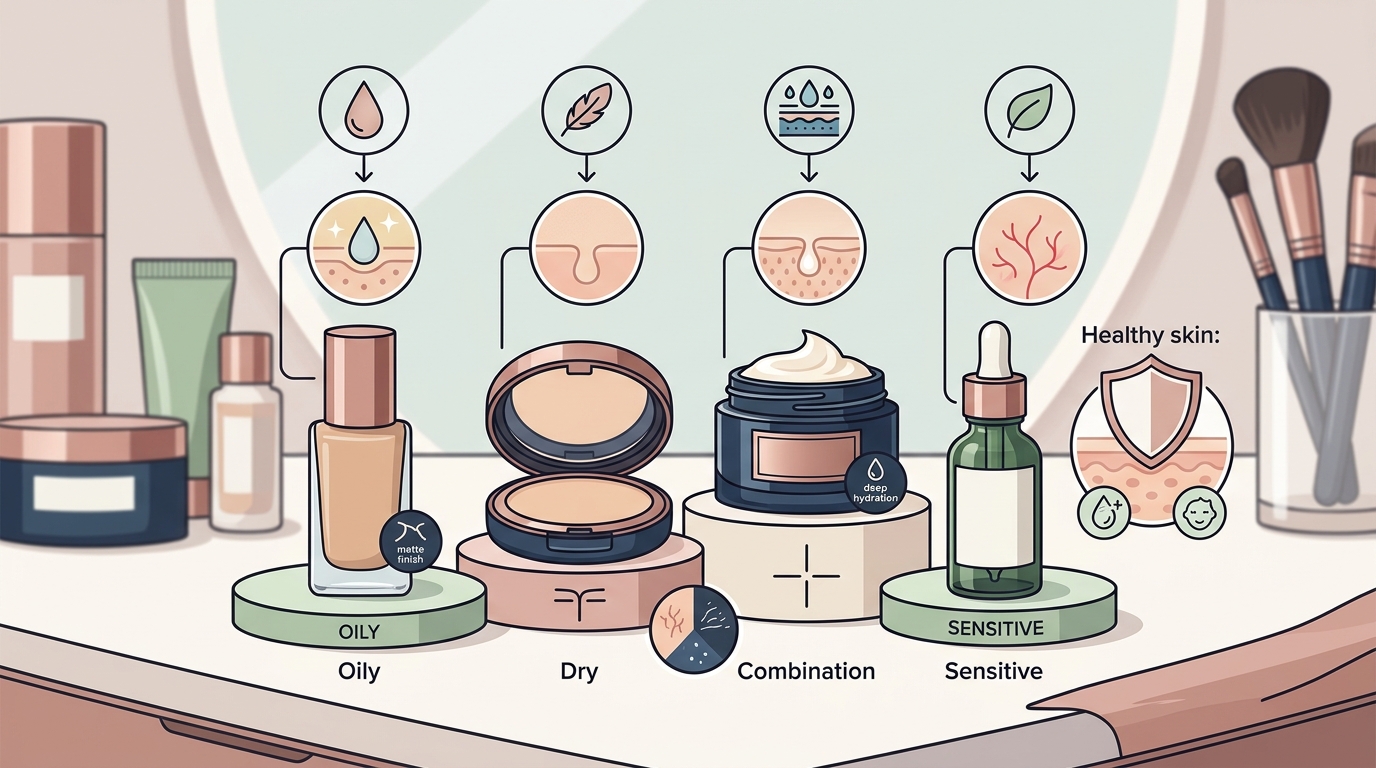
Before purchasing any cosmetic item, you must determine your baseline skin type. This classification dictates how your skin produces sebum, retains moisture, and reacts to environmental stressors. The four primary categories are normal, dry, oily, and combination. A fifth category, sensitive skin, often overlaps with these types but requires a focus on ingredient safety rather than just hydration levels. (111Skin Masks amp Skincare)
Perform the "bare-faced test" to identify your type. Wash your face with a gentle cleanser and pat dry. Wait one hour without applying any products. Observe the results:
- Normal Skin: Feels comfortable, not tight or greasy. Pores are barely visible. (Acqua di Parma Collection)
- Dry Skin: Feels tight, rough, or flaky. May show fine lines more prominently. (Advanced Skincare Treatments ndash)
- Oily Skin: Shiny all over, especially in the T-zone (forehead, nose, chin). Pores appear enlarged.
- Combination Skin: Oily in the T-zone but dry or normal on the cheeks.
Understanding this distinction is critical because the wrong product can exacerbate existing issues. For instance, applying heavy creams to oily skin can clog pores, while using alcohol-based toners on dry skin can strip essential lipids. Visit our collections page to browse products filtered by these specific needs.
Strategies for Dry Skin
Dry skin lacks sufficient natural oils and moisture retention capabilities. It often feels tight after washing and may appear dull or ashy. The primary goal for dry skin is to replenish lipids and lock in hydration.
Key Ingredients to Seek
Look for formulations rich in humectants and emollients. Hyaluronic Acid is a powerhouse humectant that draws moisture from the environment into the skin. Ceramides are lipids that form the protective barrier, preventing water loss. Argan Oil provides essential fatty acids that nourish and soften the skin surface.
Product Recommendations
Avoid foaming cleansers that strip the skin. Instead, opt for creamy or oil-based cleansers. For moisturizers, choose thicker textures like balms or rich creams. Explore our advanced skincare treatments which often include intensive repair protocols for compromised barriers.
Seasonal changes significantly impact dry skin. In winter, humidity drops, increasing transepidermal water loss. You may need to layer products, starting with a hydrating essence followed by a serum and finally a occlusive moisturizer. Check out our skin care sets for curated routines designed for deep hydration.
Strategies for Oily Skin
2Oily skin is characterized by overactive sebaceous glands. While this skin type is less prone to wrinkles due to natural lubrication, it is highly susceptible to acne, blackheads, and enlarged pores. The goal here is regulation, not complete elimination of oil.
Key Ingredients to Seek
Salicylic Acid (BHA) is a beta-hydroxy acid that penetrates oil-filled pores to dissolve debris. Niacinamide helps regulate sebum production and minimizes pore appearance. Clay ingredients absorb excess surface oil without over-drying.
Product Recommendations
Use gel-based or water-based moisturizers. Heavy creams will feel suffocating and may trigger breakouts. Incorporate a targeted treatment for acne breakouts if you are experiencing active inflammation. Exfoliation is crucial for oily skin; use chemical exfoliants 2-3 times a week rather than harsh physical scrubs.
Many individuals with oily skin mistakenly skip moisturizer, fearing it will make them greasier. This is a critical error. Dehydrated oily skin produces even more oil to compensate for lack of hydration. A lightweight, non-comedogenic moisturizer is essential. Browse our skincare category for oil-free options.
Strategies for Combination Skin
Combination skin is the most common type and the most challenging to manage. It requires a balanced approach that addresses both oily and dry areas simultaneously. The T-zone needs oil control, while the cheeks need hydration.
Key Ingredients to Seek
Look for balancing ingredients like Glycerin for hydration without grease. Centella Asiatica soothes irritation and supports barrier health. Aloe Vera provides lightweight moisture and calming properties.
Product Recommendations
Consider using different products for different zones. Apply a clay mask only to the T-zone and a hydrating mask to the cheeks. Use a gentle foaming cleanser that removes excess oil but does not strip the dry areas. Our skin care tools, such as facial cleansing brushes, can help ensure even product distribution and deep cleaning in oily areas.
Seasonal shifts can change your skin type. You might be combination in summer and dry in winter. Adjust your routine accordingly. If you are unsure where to start, our curated sets often provide a balanced approach for mixed skin types.
Strategies for Sensitive Skin
Sensitive skin reacts easily to external stimuli, including ingredients, temperature changes, and stress. Symptoms include redness, itching, burning, and dryness. The primary goal is to minimize irritation and strengthen the skin barrier.
Key Ingredients to Seek
Choose fragrance-free and dye-free products. Look for soothing ingredients like Oat Extract, Allantoin, and Chamomile. Ceramide-rich products help repair the compromised barrier. Avoid high concentrations of acids or retinoids initially.
Product Recommendations
Always patch test new products. Apply a small amount behind the ear or on the inner arm and wait 24 hours. If no reaction occurs, it is likely safe for your face. Explore our sensitive skin collections for gentle formulations.
Physical exfoliation should be avoided. Chemical exfoliants must be used with extreme caution. Focus on barrier repair and hydration. Our eye care products are often formulated to be gentle, as the eye area is particularly prone to sensitivity.
Product Selection Matrix
The following table summarizes the optimal product types for each skin profile. Use this matrix as a quick reference when shopping.
| Skin Type | Cleanser Type | Moisturizer Texture | Key Active Ingredient | Avoid |
|---|---|---|---|---|
| Dry | Cream or Oil | Rich Balm or Cream | Hyaluronic Acid | Alcohol-based Toners |
| Oily | Gel or Foaming | Lightweight Gel | Salicylic Acid | Heavy Oils |
| Combination | Gentle Foaming | Emulsion or Lotion | Niacinamide | Over-drying Agents |
| Sensitive | Micellar or Cream | Barrier Repair Cream | Ceramides | Fragrance & Dyes |
Key Takeaways
- Identify First: Never buy products without knowing your skin type. Use the bare-faced test to determine your baseline.
- Hydration is Universal: All skin types, including oily, require hydration. Dehydration triggers excess oil production.
- Ingredient Awareness: Hyaluronic Acid hydrates, Salicylic Acid unclogs pores, and Ceramides repair barriers.
- Seasonal Adjustments: Your skin needs change with the weather. Adapt your routine from summer to winter.
- Professional Guidance: For persistent issues like rosacea or severe acne, consult a specialist. Medispa services offer personalized skin consultations.
- Consistency Matters: Results take time. Stick to a routine for at least 6-8 weeks before evaluating efficacy.
- Quality Over Quantity: Invest in fewer, high-quality products tailored to your needs rather than a large collection of mismatched items.
Frequently Asked Questions
How often should I change my skincare routine?
You should evaluate your routine every season. Changes in humidity, temperature, and UV exposure can alter your skin's needs. If you experience sudden breakouts or dryness, reassess your products immediately.
Can I use the same moisturizer for day and night?
While possible, it is not optimal. Day moisturizers should include SPF or be paired with sunscreen. Night moisturizers can be richer and contain active ingredients like retinols that repair skin while you sleep.
What is the difference between dry and dehydrated skin?
Dry skin lacks oil. Dehydrated skin lacks water. You can have oily, dehydrated skin. Dehydration is a condition, while dryness is a skin type. Both require hydration, but dry skin also needs oil replenishment.
How do I know if a product is causing a reaction?
Signs include persistent redness, itching, burning, or new breakouts. Stop using the product immediately. If symptoms persist, consult a dermatologist. Always patch test new products before full-face application.
Is it necessary to use a toner?
Toners are optional but beneficial. They help restore pH balance after cleansing and prep the skin for serums. Choose a toner that matches your skin type. Avoid alcohol-based toners if you have dry or sensitive skin.
How long does it take to see results from new cosmetics?
Hydrating products show immediate results. Anti-aging and acne treatments typically take 4-12 weeks to show visible changes. Skin cell turnover takes approximately 28 days, so patience is essential.
Book Your Personalized Consultation
Choosing the right cosmetics is a journey of self-discovery. By understanding your skin type and selecting products with the correct ingredients, you can achieve a healthy, radiant complexion. For expert advice and personalized recommendations, visit Beauty Affairs today. Our team of skincare specialists is ready to help you navigate the world of cosmetics and find the perfect match for your unique needs.