
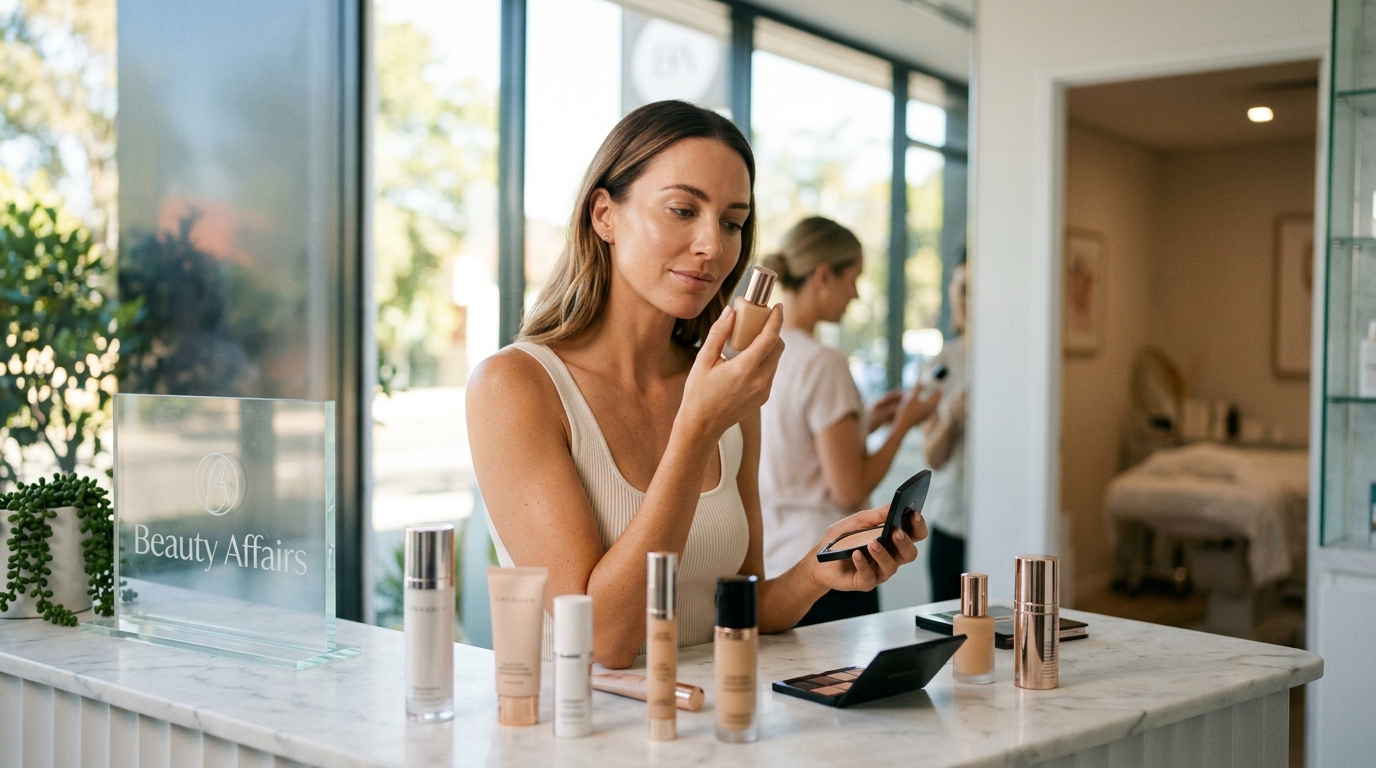
Understanding your unique skin type is the single most critical factor in achieving a flawless, long-lasting makeup application. According to recent dermatological studies, approximately 64% of adults struggle with acne or sensitivity issues that are directly exacerbated by choosing the wrong cosmetic formulations. Using products that clash with your skin's natural oil production can lead to clogged pores, premature aging, and persistent breakouts. This guide will walk you through identifying your specific skin profile and selecting the highest-quality cosmetics from top-tier brands available at Beauty Affairs.
Step 1: Identify Your Skin Type
Before purchasing any new makeup, you must accurately diagnose your skin's baseline behavior. Skin type is the inherent genetic characteristic of your skin that determines its oil production levels and sensitivity. The most common classifications include oily, dry, combination, sensitive, and mature skin.
To determine your type, perform a simple morning test. Wash your face with a gentle cleanser and pat it dry. Do not apply any products. Wait for one hour. Observe your skin in a mirror under natural light.
- If your entire face feels tight and looks flaky, you likely have dry skin.
- If you see visible shine across your forehead, nose, and chin, you have oily skin.
- If shine is present only in the T-zone (forehead and nose) while cheeks feel normal or dry, you have combination skin.
- If your skin turns red, itches, or burns easily, you have sensitive skin.
For a more professional diagnosis, consider booking a Skin Consultation at Beauty Affairs. Our experts use advanced diagnostic tools to analyze your skin's hydration levels and barrier health, ensuring you receive personalized product recommendations.
Cosmetics for Oily Skin
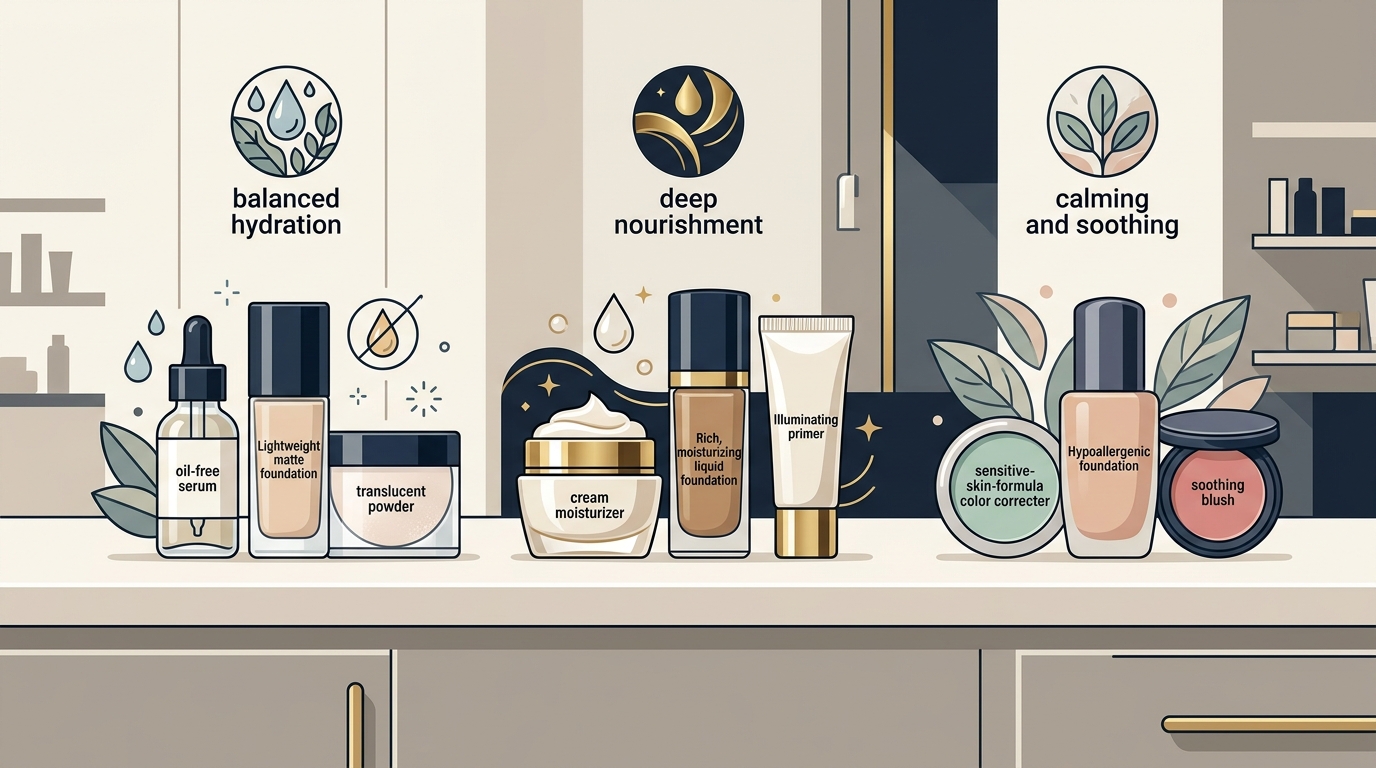
Individuals with oily skin produce excess sebum due to overactive sebaceous glands. This can lead to a shiny appearance and enlarged pores. The goal for this skin type is to control shine without stripping the skin, which can trigger even more oil production.
Key Ingredients to Look For
When shopping for cosmetics for oily skin, prioritize products labeled "oil-free" and "non-comedogenic." These terms indicate that the formula will not clog pores. Look for ingredients like salicylic acid and clay, which help absorb excess oil and refine pore appearance.
Recommended Product Types
Opt for matte-finish foundations and powder-based setting products. Liquid foundations with a matte finish can provide long-lasting coverage. Skincare tools like facial cleansing brushes can also help keep pores clear before makeup application. Avoid heavy, cream-based products that sit on top of the skin and melt away quickly.
Cosmetics for Dry Skin
Dry skin lacks natural oils and moisture, often resulting in a dull, rough texture. Makeup applied to dry skin can settle into fine lines and emphasize flakiness. The objective is to hydrate and plump the skin while providing coverage.
Key Ingredients to Look For
Seek out cosmetics infused with hyaluronic acid, glycerin, and ceramides. These ingredients attract and retain moisture, keeping your skin supple throughout the day. Hyaluronic acid is a humectant that holds up to 1,000 times its weight in water, providing intense hydration.
Recommended Product Types
Choose dewy or satin-finish foundations that reflect light and give a healthy glow. Cream blushes and highlighters work beautifully on dry skin, adding dimension without emphasizing texture. Avoid matte powders, which can make dry patches more visible. For extra hydration, mix a drop of facial oil into your foundation before application.
Cosmetics for Combination Skin
Combination skin is the most common skin type, characterized by an oily T-zone and normal to dry cheeks. This duality requires a balanced approach to makeup selection. You need products that control shine in some areas while providing moisture in others.
Key Ingredients to Look For
Look for lightweight, balancing formulas. Gel-based moisturizers and water-based foundations are ideal. Ingredients like niacinamide help regulate oil production while strengthening the skin barrier. Niacinamide is a form of vitamin B3 that improves skin elasticity and evens out skin tone.
Recommended Product Types
Use a mattifying primer only on the T-zone. Apply a hydrating primer on the cheeks. This targeted approach ensures that your makeup stays in place without looking cakey. Skin care routines should also be balanced, using different products for different zones of the face.
Cosmetics for Sensitive Skin
Sensitive skin reacts easily to environmental triggers and harsh chemicals. Redness, itching, and burning are common reactions. The goal is to minimize irritation while still achieving a beautiful look.
Key Ingredients to Look For
Choose fragrance-free and hypoallergenic cosmetics. Ingredients like aloe vera, chamomile, and centella asiatica are known for their soothing properties. Avoid alcohol, synthetic fragrances, and harsh preservatives. Centella asiatica is a medicinal herb that promotes wound healing and reduces inflammation.
Recommended Product Types
Mineral-based makeup is often the best choice for sensitive skin. Mineral powders sit on top of the skin rather than being absorbed, reducing the risk of irritation. Advanced skincare treatments can also help strengthen the skin barrier over time, making it less reactive to cosmetics.
Cosmetics for Mature Skin
As skin ages, it loses collagen and elasticity, leading to fine lines and wrinkles. Makeup for mature skin should focus on hydration and light reflection to create a youthful appearance.
Key Ingredients to Look For
Look for anti-aging ingredients like retinol, peptides, and antioxidants. These ingredients help stimulate collagen production and protect against environmental damage. Retinol is a derivative of vitamin A that accelerates cell turnover and reduces the appearance of wrinkles.
Recommended Product Types
Use lightweight, hydrating foundations that do not settle into lines. Cream products are generally better than powders for mature skin. Highlighters with a subtle shimmer can help lift the face. Consider HIFU treatments to improve skin firmness, which will also enhance the application and longevity of your makeup.
Product Selection Comparison
The table below summarizes the key cosmetic choices for each skin type to help you make informed decisions.
| Skin Type | Finish Preference | Key Ingredients | Avoid |
|---|---|---|---|
| Oily | Matte | Salicylic Acid, Clay | Heavy Creams, Oils |
| Dry | Dewy/Satin | Hyaluronic Acid, Ceramides | Matte Powders, Alcohol |
| Combination | Natural/Balanced | Niacinamide, Glycerin | Overly Greasy Products |
| Sensitive | Mineral/Natural | Aloe Vera, Chamomile | Fragrance, Synthetic Preservatives |
| Mature | Hydrating/Luminous | Retinol, Peptides | Thick, Cakey Foundations |
Key Takeaways
- Accurate Diagnosis is Crucial: Misidentifying your skin type can lead to ineffective products and potential skin damage. Use the T-zone test or book a professional Skin Consultation.
- Oil-Free for Oily Skin: Always choose non-comedogenic products to prevent clogged pores and breakouts.
- Hydration for Dry Skin: Dewy finishes and humectants like hyaluronic acid are essential for a healthy glow.
- Balanced Approach for Combination Skin: Use primers and products strategically to address different zones of the face.
- Gentle Formulas for Sensitive Skin: Fragrance-free and mineral-based cosmetics reduce the risk of irritation.
- Anti-Aging Benefits: Incorporate retinol and peptides into your makeup routine to support skin health.
- Professional Guidance: Beauty Affairs offers Bespoke Luxury Facial services to help tailor your skincare and cosmetic routine.
Frequently Asked Questions
How often should I replace my makeup?
Makeup should be replaced regularly to prevent bacterial growth. Mascara should be replaced every three months, while foundations and powders can last six to twelve months.
Can I use the same makeup for all seasons?
No, your skin's needs change with the weather. You may need a lighter, oil-free foundation in summer and a more hydrating formula in winter.
What is the best primer for oily skin?
Look for silicone-based primers that create a smooth barrier and control shine. Skincare tools can also help prep the skin for better primer adhesion.
Is mineral makeup better for sensitive skin?
Yes, mineral makeup is generally less irritating because it contains fewer chemicals and sits on top of the skin rather than being absorbed.
How do I choose a foundation shade?
Test foundation on your jawline in natural light. The shade should blend seamlessly with both your face and neck.
What are the benefits of a Skin Consultation?
A professional consultation provides a detailed analysis of your skin's condition, leading to personalized product recommendations and treatment plans.
Can cosmetics help with acne?
Yes, non-comedogenic cosmetics infused with salicylic acid or benzoyl peroxide can help manage acne while providing coverage.
Ready to Transform Your Beauty Routine?
Choosing the right cosmetics is just the beginning. To truly elevate your beauty regimen, consider combining high-quality products with professional treatments. Beauty Affairs offers a range of Medispa Services designed to complement your skincare and makeup choices. From HIFU treatments to Bespoke Luxury Facials, our experts are here to help you achieve your best skin. Visit our online store to explore our curated collection of top-tier cosmetics and start your journey to flawless skin today.