
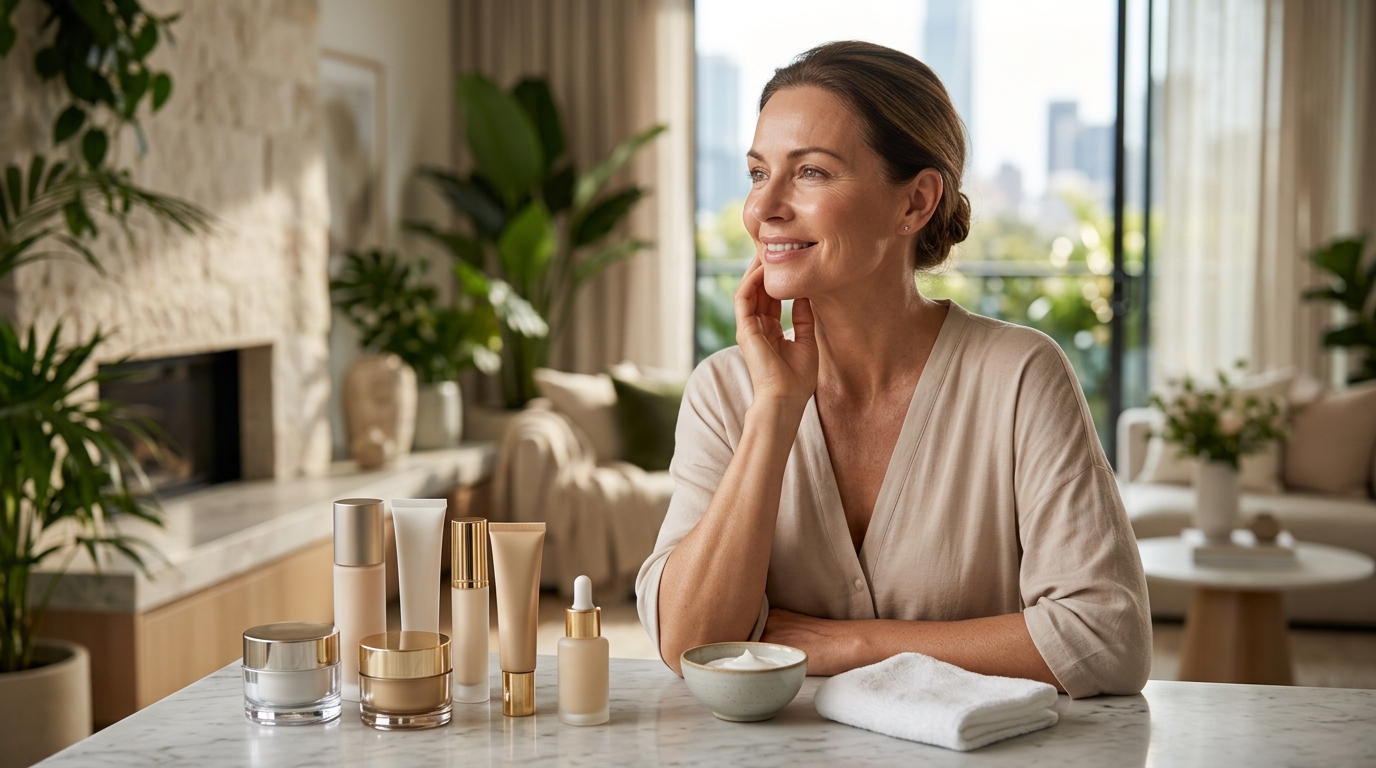
According to recent dermatological data, the global anti-aging skincare market is projected to exceed $20 billion by 2027, driven by a consumer shift toward preventative care and clinical-grade interventions. This surge reflects a growing awareness that aging is not merely a cosmetic concern but a biological process influenced by genetics, environment, and lifestyle. Establishing a disciplined, science-backed routine is the most effective way to mitigate visible signs of aging such as fine lines, loss of elasticity, and uneven pigmentation. This guide outlines a comprehensive protocol tailored for both morning and evening care, leveraging the latest advancements in cosmetic science and the premium offerings available at Beauty Affairs.
Understanding the Biology of Skin Aging
To combat aging effectively, one must first understand the mechanisms at play. Skin aging is the gradual deterioration of the structural integrity of the skin. This process is primarily driven by two factors: intrinsic aging, which is genetic and chronological, and extrinsic aging, caused by external aggressors like UV radiation and pollution. A critical component of this process is the breakdown of collagen and elastin, the proteins responsible for keeping skin firm and plump. As these proteins degrade, the skin loses its ability to snap back, resulting in sagging and wrinkles. Additionally, the skin's natural exfoliation process slows down, leading to a dull complexion and the accumulation of dead skin cells. Addressing these root causes requires a multi-faceted approach that combines topical actives with professional care.
The Morning Defense Protocol
The morning routine is designed to protect the skin from daily environmental stressors. The primary goal is to prevent damage before it occurs. This protocol should be streamlined to ensure compliance and effectiveness.
Step 1: Gentle Cleansing
Begin with a gentle cleanser that removes overnight sebum without stripping the skin's natural moisture barrier. Harsh cleansers can compromise the skin barrier, leading to increased sensitivity and accelerated aging. Look for hydrating formulas that maintain the skin's pH balance.
Step 2: Antioxidant Serum Application
Applying a potent antioxidant serum is crucial for neutralizing free radicals generated by UV exposure and pollution. Vitamin C is the gold standard in this category. It not only protects against oxidative stress but also inhibits melanin production, helping to fade dark spots and brighten the complexion. For those with sensitive skin, derivatives like sodium ascorbyl phosphate offer a gentler alternative while still providing significant anti-aging benefits.
Step 3: Hydration and Moisturization
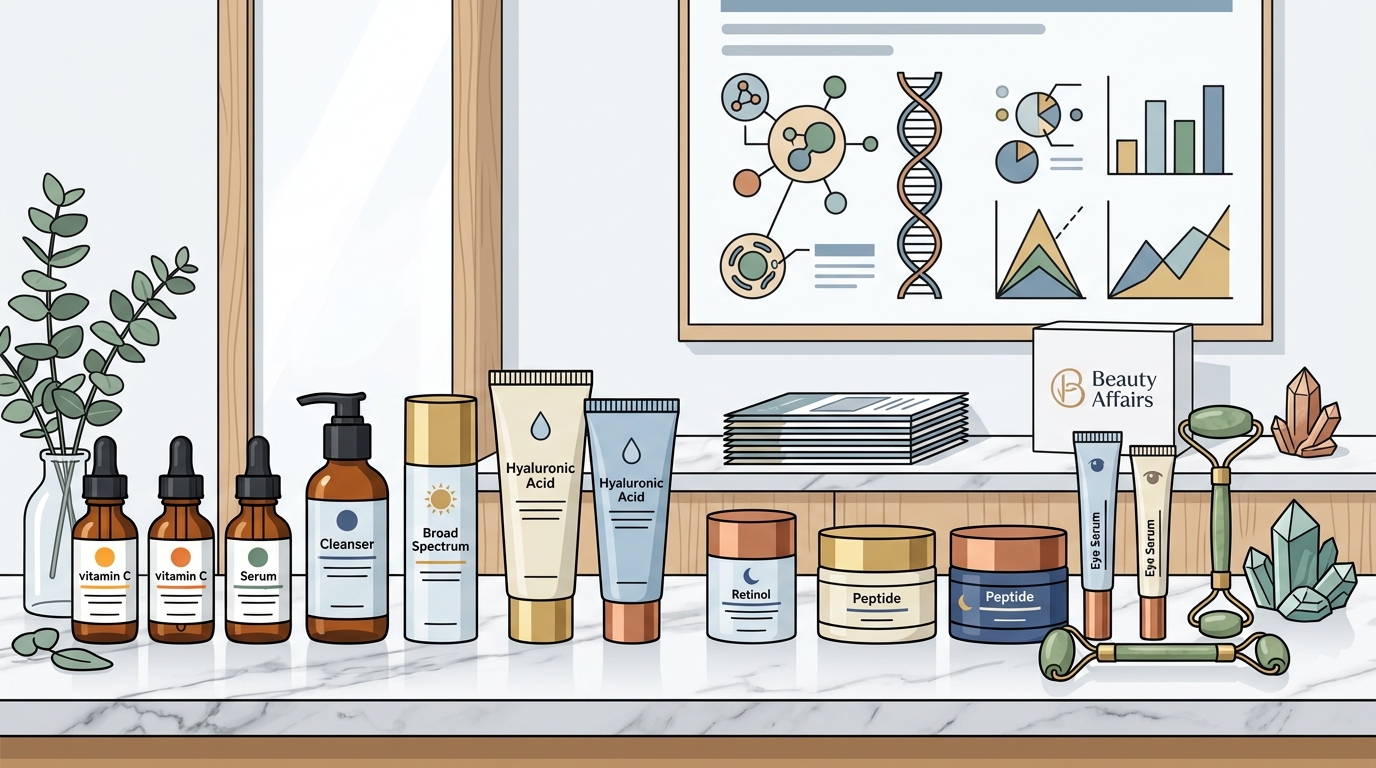
Hydration is the foundation of youthful skin. A moisturizer containing hyaluronic acid or ceramides helps to lock in moisture and reinforce the skin barrier. Plump, hydrated skin appears smoother and less prone to showing fine lines. This step ensures that the skin remains resilient against environmental aggressors throughout the day.
Step 4: Broad-Spectrum Sun Protection
Sun exposure is the number one cause of premature aging. Using a broad-spectrum sunscreen with at least SPF 30 is non-negotiable. It protects against both UVA rays, which cause aging, and UVB rays, which cause burning. Reapplication every two hours is recommended if you are outdoors. This single step can prevent up to 80% of visible aging signs.
The Evening Repair Protocol
The evening is when the skin enters its natural repair mode. Cellular turnover peaks, and the skin is more receptive to active ingredients. The evening routine should focus on renewal and deep nourishment.
Step 1: Double Cleansing
Remove makeup and sunscreen thoroughly using an oil-based cleanser followed by a water-based cleanser. This double cleansing method ensures that all impurities are removed, allowing subsequent products to penetrate effectively. Residual makeup can clog pores and lead to inflammation, which accelerates aging.
Step 2: Exfoliation (2-3 Times a Week)
Regular exfoliation removes dead skin cells and stimulates collagen production. Chemical exfoliants like Alpha Hydroxy Acids (AHAs) and Beta Hydroxy Acids (BHAs) are preferred over physical scrubs, which can cause micro-tears. AHAs like glycolic acid work on the surface to brighten, while BHAs like salicylic acid penetrate deeper to clear pores. This process reveals fresher, younger-looking skin underneath.
Step 3: Retinoid Application
Retinoids are the most scientifically proven anti-aging ingredient available. They accelerate cell turnover and boost collagen synthesis. Starting with a low concentration and gradually increasing it allows the skin to build tolerance. Retinoids help to smooth fine lines, even out skin tone, and improve texture. Consistency is key, as results typically become visible after several months of regular use.
Step 4: Rich Night Cream
Finish with a rich night cream containing peptides or growth factors. Peptides are amino acid chains that signal the skin to produce more collagen. This step provides intense hydration and supports the skin's overnight repair processes, leaving you with a refreshed and rejuvenated complexion in the morning.
Key Anti-Aging Ingredients to Prioritize
Understanding the active ingredients in your products is essential for building an effective routine. Here are the most critical components to look for:
- Retinol: A derivative of Vitamin A that promotes cell turnover and collagen production.
- Vitamin C: A powerful antioxidant that brightens skin and protects against free radical damage.
- Hyaluronic Acid: A humectant that attracts and retains moisture, plumping the skin.
- Niacinamide: Vitamin B3 that improves skin elasticity, reduces redness, and minimizes pores.
- Peptides: Chains of amino acids that help build collagen and elastin.
For those seeking more targeted solutions, Clinique offers specialized serums that combine these ingredients for maximum efficacy. Similarly, Chanel provides luxury formulations that integrate advanced botanical extracts with high-performance actives.
Enhancing Results with Clinical Treatments
While a solid home routine is vital, clinical treatments can accelerate results and address deeper structural issues. Non-invasive cosmetic procedures are medical treatments designed to improve skin appearance. These treatments complement topical care by targeting concerns that creams cannot fully resolve.
HIFU Treatments
High-Intensity Focused Ultrasound (HIFU) is a popular non-surgical lifting treatment. It uses ultrasound energy to heat the deep structural layers of the skin, stimulating collagen production and resulting in a tighter, more lifted appearance. Beauty Affairs offers specialized HIFU treatments, including the HIFU Eye Lifting and HIFU Double Chin procedures, which target specific areas of concern with precision.
Medispa Facials
Professional facials provide deep cleansing, exfoliation, and hydration that are difficult to achieve at home. The Bespoke Luxury Facial at Beauty Affairs is tailored to individual skin needs, ensuring that each treatment addresses specific aging concerns. These sessions often include advanced technologies like LED light therapy to boost collagen and reduce inflammation.
Pigmentation and Rosacea Management
For those dealing with age spots or rosacea, targeted treatments are essential. Pigmentation & Age Spots treatments use laser or light-based therapies to break down excess melanin. Similarly, Rosacea management protocols help to calm redness and strengthen the skin barrier, preventing further irritation.
Product Selection Guide
Choosing the right products can be overwhelming given the vast array of options. Below is a summary of recommended product categories and brands available at Beauty Affairs to help you build your routine.
| Product Category | Key Benefit | Recommended Brands |
|---|---|---|
| Vitamin C Serum | Brightening & Protection | Clinique, Chanel |
| Retinol Cream | Cell Turnover & Wrinkle Reduction | La Mer, Lancome |
| Hydrating Moisturizer | Barrier Repair & Plumping | Inika Organic, Clinique |
| Sunscreen | UV Protection & Anti-Aging | Chanel, Lancome |
| Exfoliating Peel | Skin Renewal & Brightening | Inika Organic, Clinique |
When selecting products, consider your skin type and specific concerns. For dry skin, focus on hydrating ingredients like hyaluronic acid and ceramides. For oily or acne-prone skin, look for non-comedogenic formulas with niacinamide and salicylic acid. Inika Organic offers excellent clean beauty options for those sensitive to synthetic ingredients, while La Mer provides luxury hydration for mature skin types.
Key Takeaways
- Consistency in your skincare routine is more important than the cost of the products.
- Sunscreen is the most critical anti-aging product you can use daily.
- Retinoids are the gold standard for reducing fine lines and improving texture.
- Antioxidants like Vitamin C protect against environmental damage and brighten the skin.
- Clinical treatments like HIFU can provide non-surgical lifting and tightening results.
- Hydration is essential for maintaining skin plumpness and reducing the appearance of wrinkles.
- Professional skin consultations can help tailor your routine to your specific needs.
Frequently Asked Questions
How long does it take to see results from an anti-aging routine?
Most topical anti-aging products require at least 8 to 12 weeks of consistent use to show visible results. This is because the skin's natural turnover cycle takes approximately 28 days, and it takes several cycles for new, healthier cells to replace older ones. Retinoids may show initial improvements in texture within a few weeks, but significant wrinkle reduction takes longer.
Can I use Vitamin C and Retinol together?
It is generally recommended to use Vitamin C in the morning and Retinol in the evening. Vitamin C works best in a low pH environment and provides daytime protection, while Retinol can be degraded by sunlight and is more effective at night. Using them together at the same time may cause irritation for some skin types.
What is the best anti-aging ingredient for sensitive skin?
Niacinamide and peptides are excellent anti-aging ingredients for sensitive skin. They are gentle, non-irritating, and help to strengthen the skin barrier while improving elasticity and reducing redness. Retinol should be introduced slowly or replaced with bakuchiol, a plant-based alternative, for those with extreme sensitivity.
How often should I exfoliate to prevent aging?
Exfoliating 2 to 3 times a week is sufficient for most skin types. Over-exfoliation can damage the skin barrier, leading to increased sensitivity and accelerated aging. Listen to your skin and reduce frequency if you experience redness or irritation.
Are clinical treatments necessary for anti-aging?
While a good home routine can maintain and improve skin health, clinical treatments like HIFU and facials can address deeper structural issues that topicals cannot reach. They offer more dramatic and faster results for concerns like sagging and deep wrinkles. Beauty Affairs offers a range of Medispa Services to complement your home care.
What is the difference between HIFU and traditional facials?
HIFU uses ultrasound energy to target the deep structural layers of the skin, stimulating collagen production for a lifting effect. Traditional facials focus on surface-level cleansing, exfoliation, and hydration. HIFU is non-invasive and requires no downtime, while facials are relaxing and provide immediate glow.
Start Your Anti-Aging Journey
Building an effective anti-aging routine is an investment in your long-term skin health. By combining a disciplined home care regimen with professional treatments, you can achieve a youthful, radiant complexion. Beauty Affairs offers a curated selection of premium skincare products and advanced Medispa Services to support your goals. Take the first step towards healthier skin by exploring our Skincare Collection or booking a Skin Consult today.