
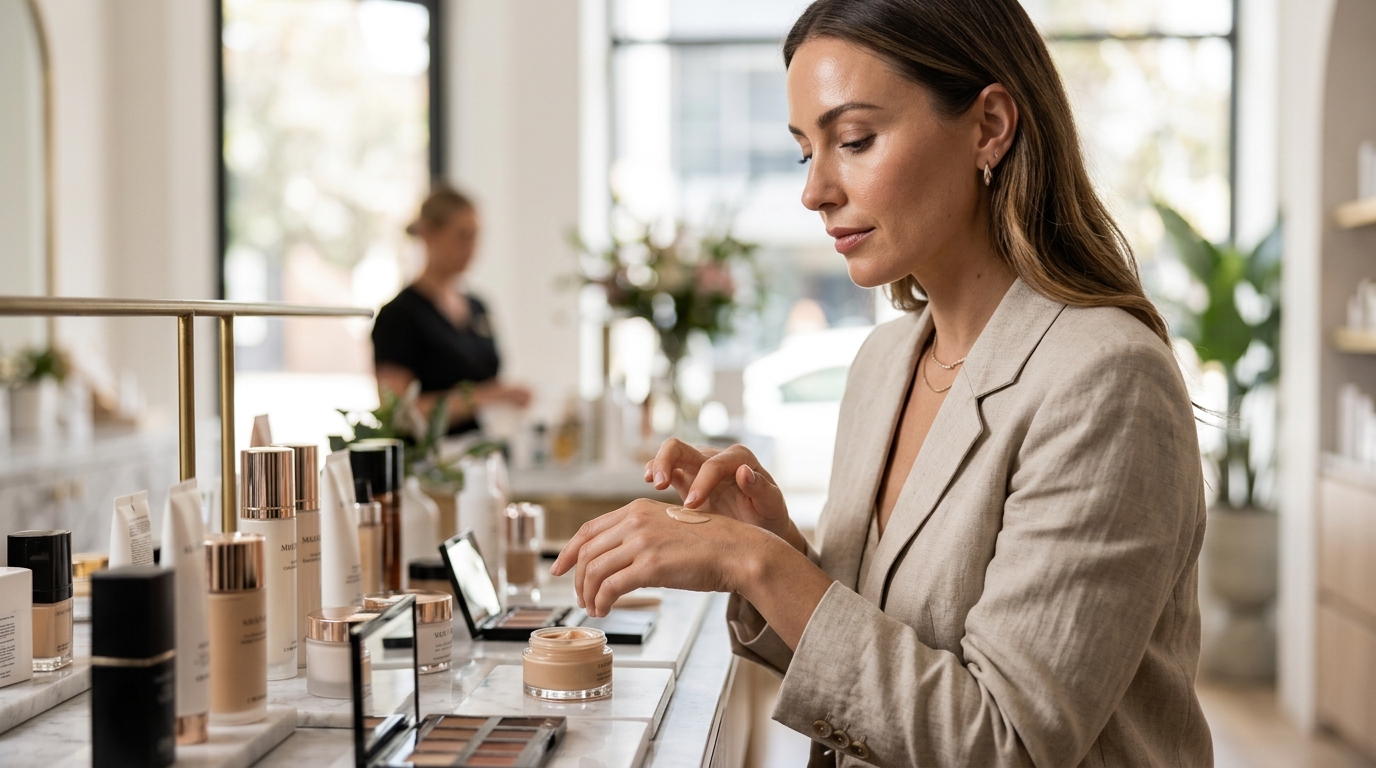
Understanding your unique skin physiology is the single most critical factor in achieving a flawless, long-lasting makeup application. According to recent dermatological studies, approximately 60% of adults suffer from chronic skin conditions such as acne, rosacea, or eczema, which directly dictate how cosmetics interact with the epidermis. Choosing the wrong formulation can lead to clogged pores, premature aging, and persistent irritation. This guide provides a definitive framework for selecting the right cosmetics for your skin type, leveraging professional insights from Sydney-based experts at Beauty Affairs to ensure your beauty routine enhances rather than harms your natural barrier.
Step 1: Identify Your Skin Type
Before purchasing any cosmetic product, you must accurately diagnose your skin type. Skin type is the inherent genetic classification of your skin based on oil production levels and sensitivity. The most common categories include oily, dry, combination, sensitive, and mature skin. A reliable method to determine your type is the "bare-faced test." Wash your face with a gentle cleanser and pat dry. Wait one hour without applying any products. Observe the results in a mirror.
If your entire face feels tight and looks flaky, you have dry skin. If shine is visible across the forehead, nose, and chin, you have oily skin. If shine is only present in the T-zone (forehead and nose) while cheeks remain normal or dry, you have combination skin. If your skin turns red, itches, or burns easily, it is classified as sensitive. For a professional diagnosis, consider booking a Skin Consult at Beauty Affairs to receive personalized recommendations from certified estheticians.
Cosmetics for Oily Skin
Oily skin is characterized by overactive sebaceous glands that produce excess sebum. This can lead to a shiny appearance and enlarged pores. When selecting cosmetics for oily skin, the primary goal is oil control and longevity. Non-comedogenic products are formulated specifically not to clog pores, preventing breakouts in oily skin types. (Advanced Skincare Treatments ndash)
Look for foundations labeled "oil-free" or "matte." Powder foundations are often superior to liquid options for oily skin because they absorb excess sebum throughout the day. Ingredients like salicylic acid and niacinamide are beneficial in primers and foundations as they help regulate oil production. At Beauty Affairs, we curate ranges specifically designed for acne-prone and oily skin, ensuring that your makeup supports your skin health rather than exacerbating breakouts. Always set your liquid foundation with a translucent setting powder to extend wear time in humid environments.
Cosmetics for Dry Skin
Dry skin lacks sufficient natural oils and moisture, often resulting in a dull, rough texture and visible fine lines. Cosmetics for dry skin must prioritize hydration and luminosity. Hyaluronic acid is a powerful humectant that attracts and retains moisture in the skin, plumping the surface for a smoother makeup application.
Avoid matte finishes, which can settle into fine lines and emphasize dry patches. Instead, opt for dewy, satin, or cream-based foundations and concealers. Liquid highlighters applied to the high points of the face can restore a healthy glow that dry skin often lacks. Moisturizing primers are essential to create a smooth canvas. Explore our Advanced Skincare Treatments to prepare your skin barrier before applying makeup, ensuring that your cosmetics sit beautifully on a hydrated base.
Cosmetics for Combination Skin
Combination skin presents a unique challenge because it exhibits both oily and dry characteristics simultaneously. The T-zone tends to be oily, while the cheeks are normal or dry. The strategy for this skin type is balance and strategic application. Zone-specific application involves using different products or techniques on different areas of the face to address varying skin needs.
Use an oil-controlling primer only on the T-zone, while applying a hydrating primer on the cheeks. A lightweight, satin-finish foundation often works best as it provides coverage without being too heavy for the oily areas or too drying for the cheeks. Blotting papers can be used throughout the day to manage shine in the T-zone without disturbing the makeup on the rest of the face. Understanding your specific combination pattern is key to selecting the right cosmetics for your unique needs.

Cosmetics for Sensitive Skin
Sensitive skin reacts easily to external stimuli, including fragrances, preservatives, and harsh chemicals. Symptoms include redness, itching, burning, and dryness. The golden rule for sensitive skin is minimalism. Hypoallergenic cosmetics are products that have been formulated to minimize the risk of allergic reactions by excluding common irritants.
Always look for labels that state "fragrance-free" and "dermatologist-tested." Mineral-based makeup is often recommended for sensitive skin because it sits on top of the skin rather than being absorbed, reducing the chance of irritation. Ingredients like zinc oxide and titanium dioxide provide physical sun protection without the chemical filters that can cause stinging. If you experience persistent redness, consider our Rosacea management resources and products designed to soothe inflammation while providing coverage.
Cosmetics for Mature Skin
As skin ages, it loses collagen and elasticity, leading to wrinkles, sagging, and uneven texture. Cosmetics for mature skin should focus on lifting, hydrating, and light-reflecting properties. Anti-aging cosmetics contain ingredients like peptides and retinol that help stimulate collagen production and reduce the appearance of fine lines.
Heavy, matte foundations can settle into wrinkles and make skin look older. Instead, choose lightweight, hydrating formulas with a luminous finish. Cream blushes and bronzers blend seamlessly into the skin, providing a natural, youthful flush. Eye makeup should be gentle; avoid harsh liquid liners that can tug on delicate eyelid skin. Consider incorporating HIFU Eye Lifting treatments to tighten the eye area, complementing your cosmetic routine with professional aesthetic care.
Product Selection Matrix
The following table summarizes the optimal cosmetic choices for each skin type to help you make informed decisions quickly.
| Skin Type | Recommended Finish | Key Ingredients to Look For | Ingredients to Avoid | Best Product Type |
|---|---|---|---|---|
| Oily | Matte / Powder | Salicylic Acid, Niacinamide, Clay | Heavy Oils, Coconut Oil | Oil-Free Foundations |
| Dry | Dewy / Satin | Hyaluronic Acid, Glycerin, Ceramides | Alcohol, Matte Powders | Hydrating Cream Foundations |
| Combination | Natural / Satin | Lightweight Hydrators, Silica | Excessive Fragrance | Balancing Primers |
| Sensitive | Minimal / Natural | Zinc Oxide, Aloe Vera, Centella Asiatica | Fragrance, Parabens, Sulfates | Mineral Makeup |
| Mature | Luminous / Glow | Peptides, Retinol, Antioxidants | Heavy Setting Powders | Lightweight Tinted Moisturizers |
Key Takeaways
- Accurate Diagnosis: Use the bare-faced test or book a professional Skin Consult to determine your true skin type before shopping.
- Non-Comedogenic is Key: For oily and acne-prone skin, always verify that products are non-comedogenic to prevent pore blockage.
- Hydration for Dry Skin: Prioritize hyaluronic acid and ceramides in your base products to maintain a plump, healthy appearance.
- Minimalism for Sensitivity: Fragrance-free and hypoallergenic labels are non-negotiable for sensitive skin to avoid inflammatory reactions.
- Luminosity for Aging: Mature skin benefits from light-reflecting particles and hydrating formulas that do not settle into fine lines.
- Professional Support: Beauty Affairs offers specialized Medispa Services to complement your cosmetic routine with clinical treatments.
- Ingredient Awareness: Understanding ingredients like Niacinamide for oil control and Retinol for anti-aging empowers better purchasing decisions.
Frequently Asked Questions
How often should I change my cosmetics?
Makeup products have expiration dates. Foundations and concealers should be replaced every 12 to 18 months. Mascara should be replaced every 3 months to prevent bacterial growth. Always check the PAO (Period After Opening) symbol on the packaging.
Can I use the same foundation for my face and neck?
It is generally recommended to match your foundation to your neck tone to avoid a mask-like effect. If your face and neck have different tones, use a slightly lighter shade on the face and blend down carefully, or use a bronzer to match the neck.
What is the best primer for oily skin?
Silicone-based primers are typically best for oily skin as they create a smooth barrier and control shine. Look for primers containing silica or dimethicone to mattify the T-zone effectively.
How do I know if a cosmetic is causing an allergic reaction?
Symptoms include immediate redness, itching, burning, or swelling. If you experience these symptoms, stop using the product immediately and wash the area with cool water. Consult a dermatologist if the reaction persists.
Is mineral makeup better for sensitive skin?
Yes, mineral makeup is often recommended for sensitive skin because it contains fewer preservatives and irritants. It sits on the skin's surface rather than being absorbed, reducing the risk of inflammation.
How can I make my makeup last longer on oily skin?
Use an oil-controlling primer, set your foundation with translucent powder, and finish with a setting spray. Blotting papers can be used throughout the day to remove excess oil without removing makeup.
What ingredients help with anti-aging in cosmetics?
Peptides, retinol, vitamin C, and hyaluronic acid are key anti-aging ingredients. They help stimulate collagen, brighten skin, and hydrate the surface to reduce the appearance of wrinkles.
Book Your Personalized Skin Consultation
Choosing the right cosmetics is not a one-size-fits-all process. It requires an understanding of your unique skin biology and a willingness to adapt your routine as your skin changes. At Beauty Affairs, we bridge the gap between clinical skincare and luxury cosmetics. Whether you need a Bespoke Luxury Facial to prepare your skin or expert advice on selecting the perfect foundation, our Sydney CBD and Brookvale locations are here to help. Visit our collections today to explore our curated range of top Australian and international beauty products.