

Non-surgical skin tightening has become a cornerstone of modern aesthetic medicine in Sydney, with the global market for non-invasive body contouring and skin tightening projected to reach significant valuation milestones in the coming years. According to recent industry reports, the demand for procedures that offer lifting and firming without the downtime of surgery has surged, particularly in metropolitan hubs like Sydney. This guide outlines the precise steps to selecting the right treatment, understanding the technology, and achieving optimal results through professional care.
Understanding the Core Technologies
Before diving into the selection process, it is vital to understand the mechanisms behind non-surgical tightening. These treatments generally rely on energy-based devices to stimulate collagen production deep within the dermis. The two most prominent technologies available in Sydney clinics are High-Intensity Focused Ultrasound (HIFU) and Radiofrequency (RF) therapy.
High-Intensity Focused Ultrasound, often referred to as HIFU, is a non-invasive cosmetic procedure that uses ultrasound energy to target the foundational layer of skin typically addressed in surgical facelifts. This technology heats the tissue to create thermal coagulation points, triggering the body's natural healing response and subsequent collagen regeneration. At clinics like Beauty Affairs, the Ultraformer MPT device is frequently utilized for its precision in targeting specific areas such as the eyes, double chin, and smile lines.
Radiofrequency therapy, on the other hand, is a method that delivers electromagnetic energy to heat the skin's deeper layers. This heat stimulates collagen contraction and new collagen formation, resulting in tighter skin over time. While HIFU is often preferred for deeper structural lifting, RF is excellent for surface-level tightening and texture improvement. Understanding this distinction is the first step in your journey.
Step 1: The Clinical Skin Assessment
The first actionable step in choosing a treatment is undergoing a comprehensive skin analysis. You cannot effectively treat what you do not understand. During this phase, a qualified aesthetic practitioner will evaluate your skin type, elasticity, and the degree of laxity.
At Beauty Affairs, this process begins with their specialized Skin Consult service. The practitioner will assess whether your skin concerns are best addressed by HIFU, RF, or a combination of modalities. They will also check for contraindications such as active acne, rosacea flare-ups, or recent sun exposure. This assessment is critical because not all skin types respond equally to energy-based treatments. For instance, individuals with sensitive skin or conditions like rosacea may require modified protocols to avoid irritation.
During this consultation, you should discuss your aesthetic goals openly. Are you looking to lift the brows, tighten the jawline, or reduce the appearance of nasolabial folds? Clear communication ensures that the treatment plan is tailored to your specific anatomical needs.
Step 2: Selecting the Right Modality
Once the assessment is complete, the next step is selecting the appropriate treatment. The choice between HIFU and other options depends on the depth of the tissue you wish to target and your tolerance for discomfort.
HIFU is particularly effective for non-surgical face lifting. It targets the SMAS (Superficial Musculoaponeurotic System) layer, which is the same layer addressed in traditional surgery. This makes it ideal for individuals who want significant lifting effects without incisions. The HIFU Eye Lifting treatment, for example, is designed to address the delicate skin around the eyes, reducing puffiness and tightening the area.
For those concerned with body contouring or larger areas, HIFU can also be applied to the abdomen or thighs. The HIFU Double Chin treatment is a popular choice for defining the jawline and reducing submental fat. If your primary concern is skin texture and mild laxity, Radiofrequency might be a more suitable, less invasive option.
It is also worth considering the Alastin Ultraformer HIFU Non-Surgical Natural Face Lift protocol, which often incorporates Alastin's proprietary TriHexa technology to support the skin's healing process and enhance collagen production. This integrated approach can lead to more robust and longer-lasting results.
Step 3: Pre-Treatment Preparation
Proper preparation is essential for maximizing the efficacy of your treatment and minimizing side effects. This step involves both lifestyle adjustments and skincare regimen modifications.
Avoid excessive sun exposure for at least two weeks prior to your appointment. Sun-damaged skin is more sensitive and may react unpredictably to energy-based treatments. If you are using topical retinoids or strong exfoliants, your practitioner may advise you to pause their use a few days before the procedure to reduce the risk of irritation.
Hydration is key. Ensure you are well-hydrated leading up to your treatment, as hydrated skin responds better to energy delivery. Additionally, avoid blood-thinning medications or supplements like aspirin and fish oil, unless prescribed by your doctor, as these can increase the risk of bruising.
At Beauty Affairs, clients are encouraged to try before you buy or explore their skin care gift sets to understand the brand's approach to post-procedure care. Having the right products on hand, such as gentle cleansers and high-SPF sunscreens, will facilitate a smoother recovery.
Step 4: The Treatment Experience
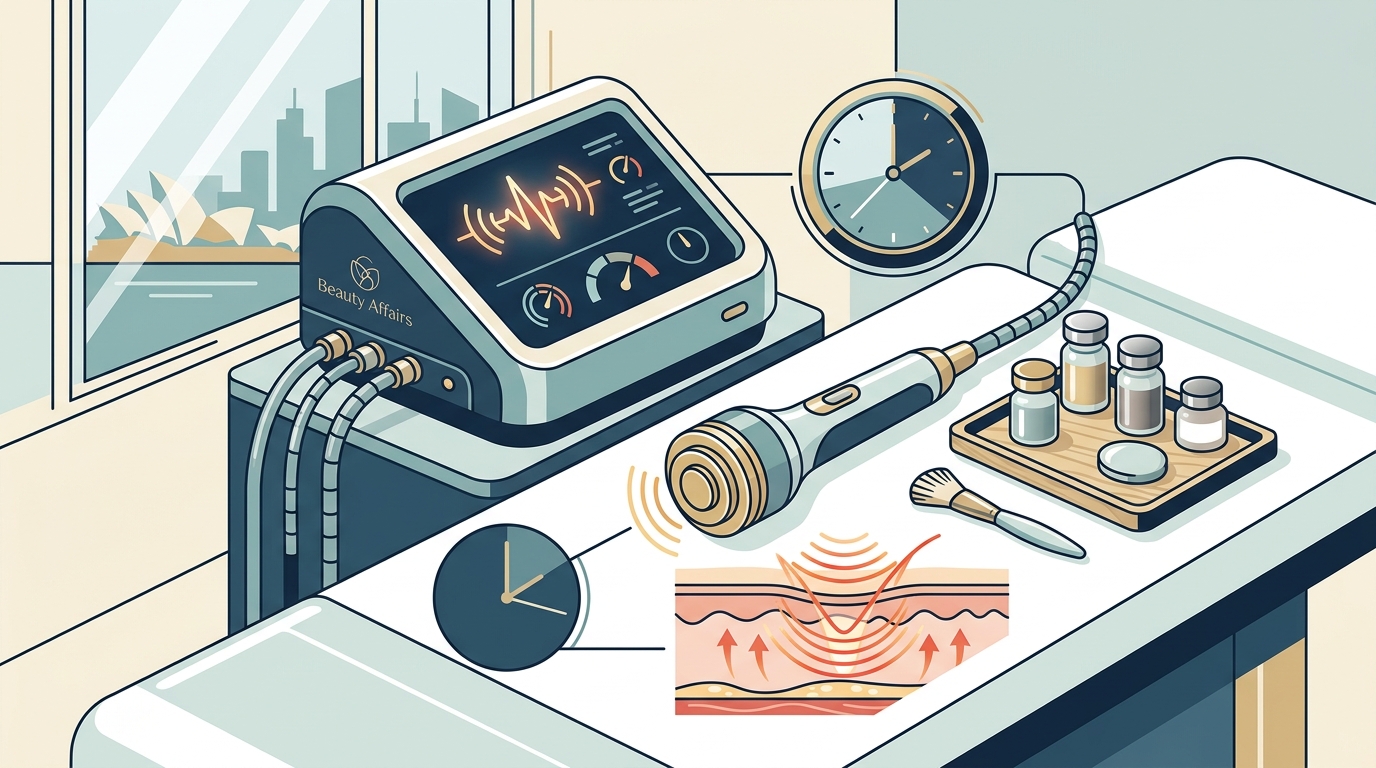
Understanding what to expect during the procedure helps alleviate anxiety. The duration of the treatment varies depending on the area being treated. A full face HIFU session might take 60 to 90 minutes, while targeted areas like the eyes or double chin may take 30 to 45 minutes.
The procedure involves the application of a coupling gel to the skin, followed by the delivery of ultrasound energy via a handheld device. You may feel a warm sensation or mild tingling as the energy penetrates the skin. Some patients report brief moments of discomfort, often described as small electrical pulses, but this is typically well-tolerated. The practitioner will adjust the intensity based on your comfort level.
For the HIFU Smile Line Lift, precision is paramount. The practitioner will carefully map the treatment zones to ensure even energy distribution and avoid sensitive structures. The use of advanced devices like the Ultraformer MPT allows for multiple transducer heads, enabling the treatment of various depths and areas in a single session.
Throughout the process, the practitioner will monitor your skin's response. If you experience excessive discomfort, they can pause to apply cooling measures or adjust the settings. The goal is to achieve effective collagen stimulation while maintaining your comfort and safety.
Step 5: Post-Treatment Care and Results
The final step in the process is diligent aftercare. While non-surgical treatments require minimal downtime, proper care ensures optimal results. Immediately after the procedure, you may experience redness, swelling, or mild tenderness. These symptoms are normal and typically subside within a few hours to a couple of days.
Apply a gentle, hydrating moisturizer to soothe the skin. Avoid using active ingredients like retinols, alpha hydroxy acids (AHAs), or beta hydroxy acids (BHAs) for at least a week, or until your practitioner advises otherwise. Sun protection is non-negotiable. Use a broad-spectrum sunscreen with SPF 30 or higher daily to protect the newly stimulated collagen from UV damage.
Results from non-surgical skin tightening are not immediate. Collagen remodeling is a gradual process. You may begin to see subtle improvements within a few weeks, but the full effects typically emerge over three to six months as new collagen forms. Most patients require a series of treatments for optimal results, followed by maintenance sessions every 12 to 18 months.
For those seeking additional support, the Circadia Alma Harmony Face Pigmentation & Radiance Reset can complement HIFU treatments by addressing surface-level concerns and enhancing overall skin radiance. This holistic approach ensures that both deep structural integrity and surface texture are improved.
Key Takeaways
- HIFU Targets the SMAS Layer: High-Intensity Focused Ultrasound reaches the foundational layer of skin, offering lifting effects comparable to surgery without incisions.
- Consultation is Critical: A professional skin analysis, such as the one offered at Beauty Affairs, determines the appropriate treatment depth and modality for your specific skin type.
- Results are Gradual: Collagen regeneration takes time, with peak results appearing 3 to 6 months post-treatment.
- Sun Protection is Essential: Post-treatment skin is sensitive to UV damage; rigorous sunscreen use is required to protect new collagen.
- Multiple Modalities Exist: While HIFU is popular for lifting, Radiofrequency and other technologies may be better suited for texture and mild laxity.
- Brand Integration Enhances Results: Using supportive skincare products, such as those from Alastin or Circadia, can optimize the healing and collagen-building process.
- Maintenance is Necessary: To sustain results, periodic touch-up treatments are recommended every 12 to 18 months.
Frequently Asked Questions
How long does a HIFU treatment take?
The duration depends on the area treated. A full face treatment typically takes 60 to 90 minutes, while targeted areas like the eyes or double chin may take 30 to 45 minutes.
Is HIFU painful?
Most patients describe the sensation as mild discomfort or tingling. The procedure is generally well-tolerated, and practitioners can adjust settings to ensure comfort.
How soon will I see results?
Initial results may be visible within a few weeks, but the full effects of collagen remodeling typically appear over three to six months.
Can HIFU be used on the body?
Yes, HIFU can be used on body areas such as the abdomen, thighs, and arms to tighten skin and improve contour.
What is the difference between HIFU and Radiofrequency?
HIFU uses ultrasound energy to target deeper layers (SMAS) for lifting, while Radiofrequency uses electromagnetic energy to heat the dermis for tightening and texture improvement.
Are there any side effects?
Common side effects include temporary redness, swelling, and mild tenderness. These usually resolve within a few hours to days.
How often do I need maintenance treatments?
To maintain results, most patients benefit from touch-up treatments every 12 to 18 months, depending on their skin's aging process.
Can I combine HIFU with other treatments?
Yes, HIFU can be combined with other modalities like Alastin Venus Legacy or skincare protocols to enhance overall outcomes.
Book Your Consultation
Ready to explore the benefits of non-surgical skin tightening in Sydney? The first step is a professional assessment to determine the best path for your skin. Visit Beauty Affairs to schedule your Skin Consult and discover how HIFU or other advanced treatments can help you achieve a more youthful, lifted appearance. Explore their full range of Medispa Services and skincare products to support your aesthetic journey.