

Sensitive skin affects approximately 50 to 60 percent of the global population, making it one of the most common dermatological concerns today. This condition is not merely a preference for gentle products but a physiological state where the skin barrier is compromised, leading to heightened reactivity to environmental triggers and topical ingredients. Understanding the root causes of this sensitivity is the first step toward restoring balance and achieving a resilient, healthy complexion. This guide provides a structured approach to identifying triggers, selecting safe ingredients, and constructing a daily regimen that soothes rather than irritates.
Understanding Sensitive Skin Triggers
Sensitive skin is a condition characterized by a weakened skin barrier that allows irritants to penetrate more easily, causing redness, itching, or burning sensations. Unlike normal skin, which has a robust lipid matrix to protect against external stressors, sensitive skin often lacks the necessary ceramides and fatty acids to maintain hydration and defense. This deficiency makes the skin vulnerable to common environmental factors such as UV radiation, pollution, and temperature fluctuations. (111Skin Masks amp Skincare)
Identifying your specific triggers is crucial for effective management. Common culprits include harsh surfactants in cleansers, alcohol-based toners, and synthetic fragrances. According to dermatological research, over-cleansing or using water that is too hot can strip the skin of its natural oils, exacerbating inflammation. It is essential to adopt a minimalist approach to skincare, focusing on fewer, high-quality products that support the skin's natural repair mechanisms.
At Beauty Affairs, we emphasize the importance of a thorough skin analysis to determine your unique sensitivity profile. Our Sensitive Skin Collection is curated to address these specific vulnerabilities, offering products that are free from common irritants and formulated with calming botanicals. By understanding your skin's baseline, you can avoid the trial-and-error process that often leads to further irritation. (Acqua di Parma Collection)
Core Ingredients for Soothing
Building a routine for sensitive skin requires a strategic selection of ingredients that actively repair and calm the skin. The goal is to reinforce the skin barrier while reducing inflammatory responses. Below is a breakdown of the most effective components for sensitive skin types. (Advanced Skincare Treatments ndash)
1. Ceramides and Lipids
Ceramides are lipid molecules that make up the majority of the skin's barrier. They act like mortar between skin cells, holding them together and preventing moisture loss. When the skin is sensitive, ceramide levels are often depleted. Applying topical ceramides helps restore this barrier, reducing transepidermal water loss and protecting against external aggressors. Look for products that list ceramides high in the ingredient list for maximum efficacy.
2. Niacinamide (Vitamin B3)
Niacinamide is a versatile form of vitamin B3 that offers multiple benefits for sensitive skin. It helps regulate oil production, minimizes pore appearance, and strengthens the skin barrier. Unlike other forms of vitamin B, niacinamide is generally well-tolerated by sensitive skin types when used in concentrations between two and five percent. It also has anti-inflammatory properties that can help reduce redness and blotchiness associated with rosacea and general sensitivity.
3. Centella Asiatica (Cica)
Centella Asiatica, often referred to as Cica, is a herbaceous plant known for its powerful healing properties. It contains compounds called madecassoside and asiaticoside, which stimulate collagen production and accelerate wound healing. For sensitive skin, Cica acts as a soothing agent, calming irritation and reducing the appearance of redness. It is a staple in many Korean skincare formulations designed for reactive complexions.
4. Hyaluronic Acid
Hyaluronic acid is a humectant that attracts and retains moisture in the skin. Sensitive skin is often dehydrated, which can mimic or worsen sensitivity symptoms. By hydrating the skin deeply, hyaluronic acid helps plump the skin and improve its resilience. It is crucial to use hyaluronic acid in conjunction with a moisturizer to seal in the hydration, especially in dry climates or during winter months.
For a comprehensive selection of these ingredients, explore our Advanced Skincare Treatments page, where we feature brands that prioritize barrier repair and gentle efficacy.
Structuring Your Daily Routine
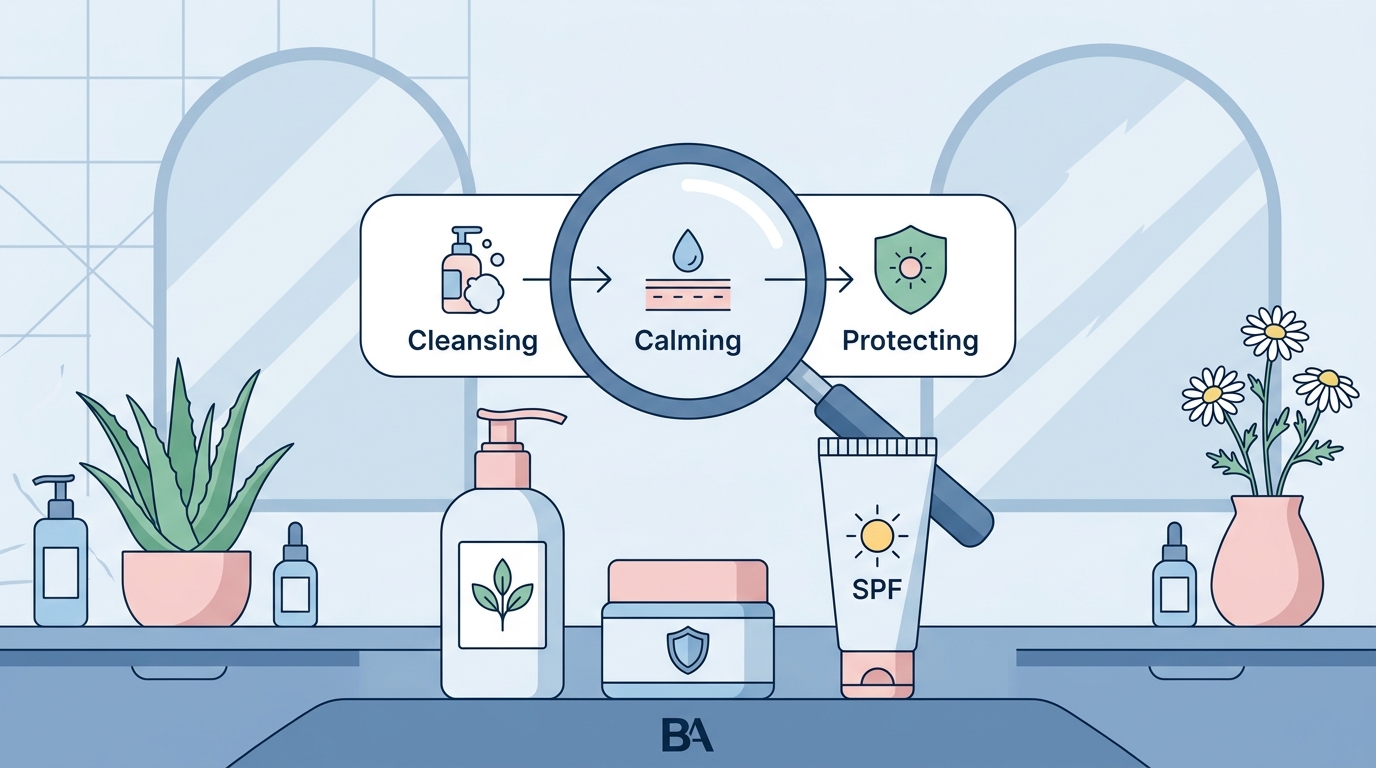
A consistent routine is vital for managing sensitive skin. The structure should be simple, focusing on cleansing, hydrating, and protecting. Below is a recommended framework for both morning and evening routines.
Morning Routine
- Gentle Cleanser: Use a non-foaming, cream-based cleanser to remove overnight impurities without stripping the skin. Avoid hot water; lukewarm water is ideal.
- Hydrating Toner or Essence: Apply a fragrance-free toner to balance the skin's pH and prep it for subsequent products.
- Serum: Use a niacinamide or hyaluronic acid serum to target specific concerns like redness or dehydration.
- Moisturizer: Lock in hydration with a ceramide-rich moisturizer. This step is critical for maintaining the skin barrier throughout the day.
- Sunscreen: Apply a broad-spectrum SPF 30 or higher. Mineral sunscreens containing zinc oxide or titanium dioxide are often better tolerated by sensitive skin than chemical filters, as they sit on top of the skin and reflect UV rays rather than absorbing them.
Evening Routine
- Double Cleansing: Start with an oil-based cleanser or balm to dissolve sunscreen and makeup, followed by your gentle water-based cleanser. This ensures all impurities are removed without harsh rubbing.
- Treatment (Optional): If your skin is not currently flaring, you may use a gentle exfoliant like PHA (Polyhydroxy Acid) once a week. Avoid harsh scrubs or high-concentration AHAs/BHAs during active sensitivity.
- Repairing Serum: Apply a serum with peptides or centella asiatica to support overnight repair.
- Night Cream: Use a richer moisturizer to provide intense hydration and support the skin's natural regeneration process while you sleep.
Consistency is key. It can take up to four to six weeks for the skin barrier to fully recover after introducing a new routine. During this period, avoid introducing multiple new products at once to isolate any potential irritants.
Professional Medispa Treatments
While home care is essential, professional treatments can accelerate results and address deeper concerns associated with sensitive skin. At Beauty Affairs, we offer specialized medispa services designed to soothe and rejuvenate reactive skin types.
Bespoke Luxury Facial
The Bespoke Luxury Facial is tailored to your skin's current condition. It involves a deep cleanse, gentle exfoliation, and the application of calming masks and serums. This treatment is ideal for reducing immediate redness and providing deep hydration. It is a safe option for those with rosacea or general sensitivity, as the products used are selected based on real-time skin assessment.
Circadia Alma Harmony Face Pigmentation & Radiance Reset
For sensitive skin that also struggles with pigmentation, the Circadia Alma Harmony treatment offers a non-invasive solution. It uses advanced technology to target dark spots and uneven skin tone without the heat or aggression of traditional lasers. This treatment helps restore radiance while maintaining the integrity of the sensitive skin barrier.
Alastin Venus Legacy Collagen Firm & Plump Restore
As we age, sensitive skin can become thinner and more fragile. The Alastin Venus Legacy treatment uses multi-polar radiofrequency and pulsed electromagnetic fields to stimulate collagen production. This helps thicken the skin over time, making it more resilient to environmental stressors. It is a non-surgical option for improving firmness and elasticity in sensitive skin types.
For more information on these services, visit our Medispa Services page. Our experts can help you determine which treatment is best suited for your specific skin needs.
Key Takeaways
- Sensitive skin is characterized by a compromised barrier, requiring ceramides and lipids for repair.
- Niacinamide and Centella Asiatica are top-tier ingredients for reducing redness and inflammation.
- A minimalist routine with gentle cleansing and consistent hydration is more effective than complex regimens.
- Mineral sunscreens are generally better tolerated by sensitive skin than chemical alternatives.
- Professional treatments like the Bespoke Luxury Facial can provide immediate soothing and long-term barrier support.
- Patience is essential; barrier repair typically takes four to six weeks of consistent care.
- Avoiding common triggers like fragrance, alcohol, and hot water is critical for managing sensitivity.
Frequently Asked Questions
How do I know if my skin is sensitive?
Sensitive skin often reacts to products with stinging, burning, or redness. It may also feel tight or itchy after cleansing. If your skin reacts to environmental changes like wind or sun, it is likely sensitive.
Can I use retinol if I have sensitive skin?
Yes, but with caution. Start with a low concentration and use it only once a week. Always pair it with a rich moisturizer and sunscreen. Alternatively, consider bakuchiol, a plant-based alternative that offers similar benefits with less irritation.
What is the best cleanser for sensitive skin?
A non-foaming, cream-based cleanser is ideal. It should be free from sulfates and fragrances. Look for cleansers that contain soothing ingredients like aloe vera or oat extract.
How long does it take for sensitive skin to heal?
Healing time varies, but most people see significant improvement in four to six weeks with a consistent, gentle routine. Severe cases may take longer and require professional intervention.
Is it safe to exfoliate sensitive skin?
Yes, but avoid physical scrubs. Use chemical exfoliants like PHA or low-concentration lactic acid. Limit exfoliation to once a week to prevent barrier damage.
What ingredients should I avoid?
Avoid alcohol, synthetic fragrances, essential oils, and high concentrations of AHAs/BHAs. These can strip the skin and cause inflammation.
Can stress make sensitive skin worse?
Yes, stress triggers the release of cortisol, which can increase inflammation and sensitivity. Managing stress through sleep, exercise, and mindfulness can improve skin health.
Next Steps
Building a routine for sensitive skin is a journey of discovery and patience. By focusing on barrier repair, gentle ingredients, and professional support, you can transform reactive skin into a resilient, healthy complexion. Take the first step toward healthier skin by scheduling a consultation with our experts at Beauty Affairs. Visit our Medispa Services page to book your personalized treatment today.