
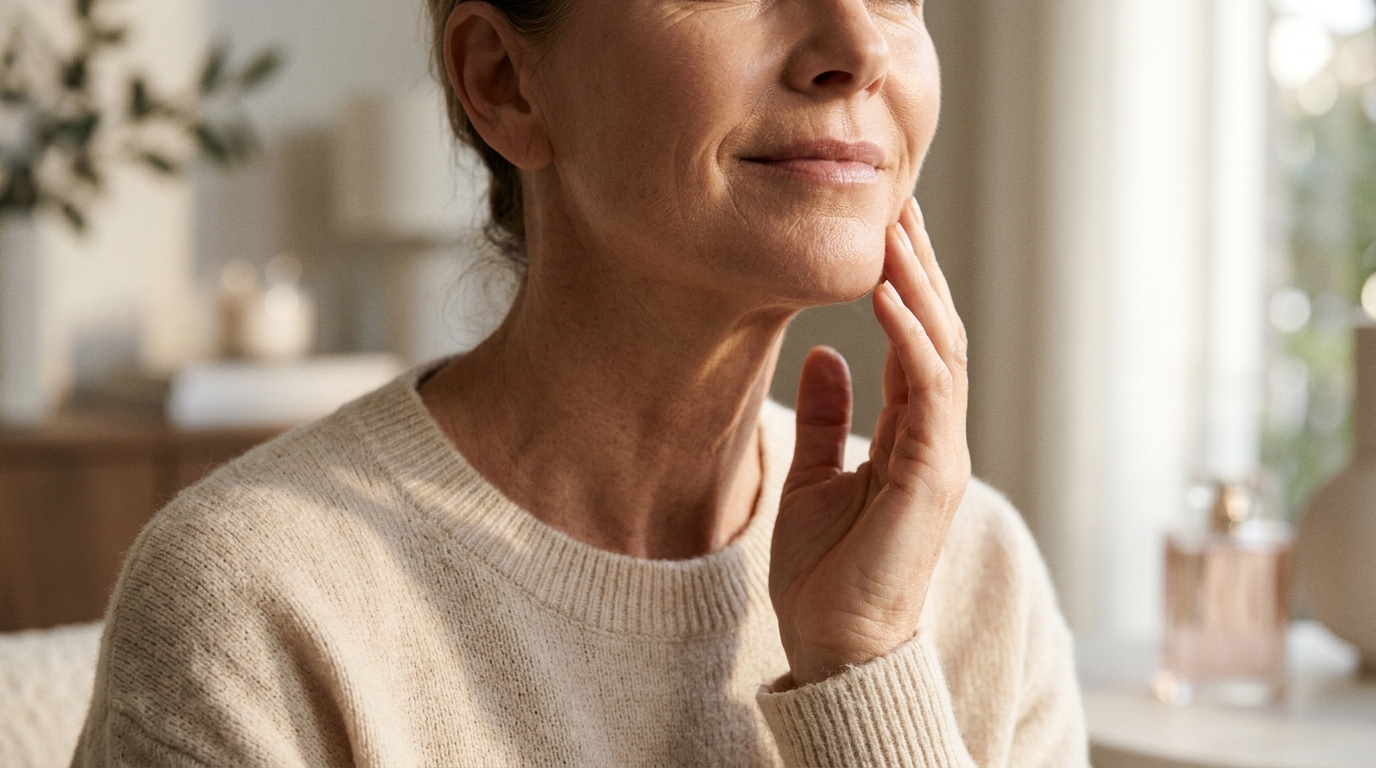
Retinol is a form of vitamin A that accelerates cell turnover and stimulates collagen production. By binding to specific receptors in the skin, it signals fibroblasts to create new structural proteins. This biological mechanism directly addresses the loss of elasticity that causes fine lines and deep wrinkles to form. For additional details, review the Top Australian Beauty Products.
The Biological Mechanism of Retinoid Binding
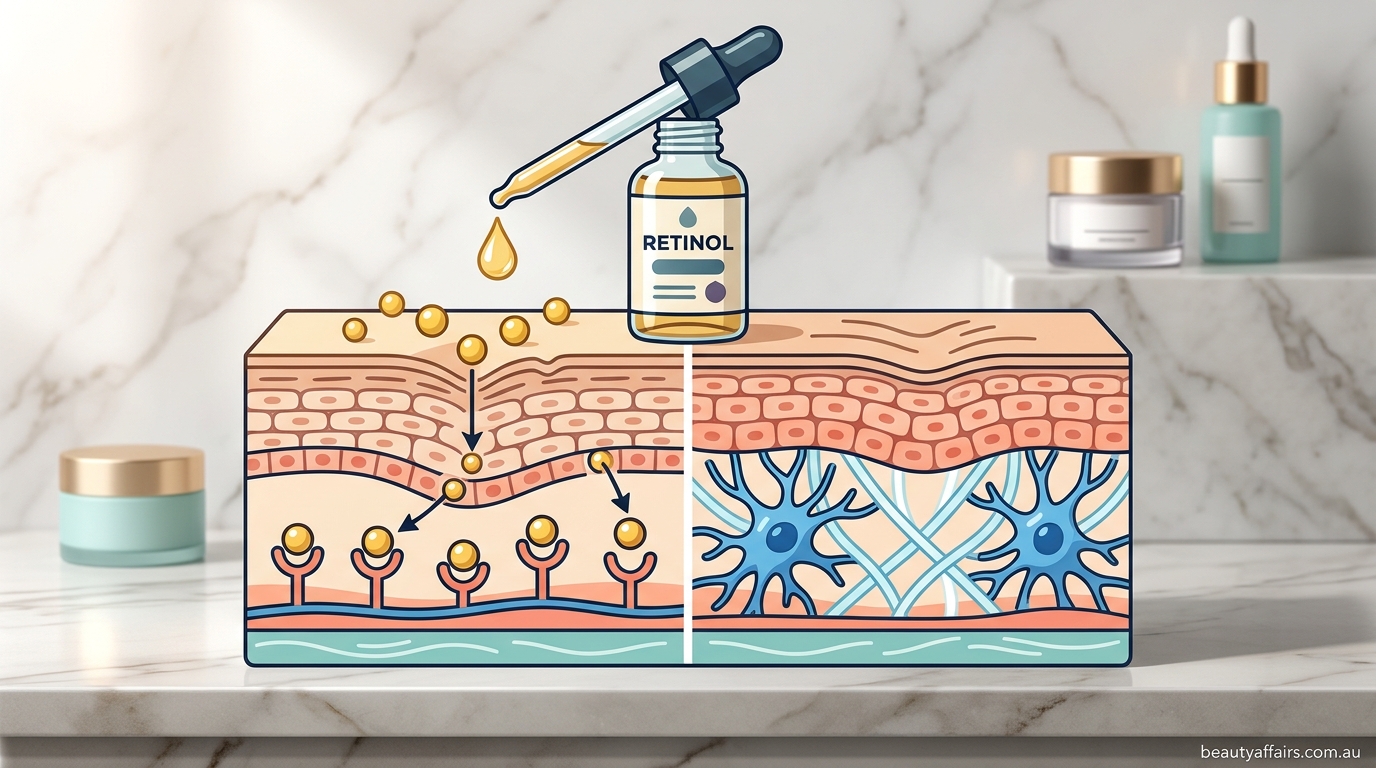
Retinol is a topical retinoid that must be converted by the body into active retinoic acid to function. This conversion process occurs in two steps, first to retinal and then to retinoic acid. Once active, the molecule binds to nuclear receptors known as retinoic acid receptors (RARs) and retinoid X receptors (RXRs). For additional details, review the Frequently Asked Questions.
This binding is the critical trigger for cellular change. When these receptors are activated, they alter the expression of specific genes in the skin cells. This genetic shift tells the skin to stop producing excess melanin and start producing more collagen. The result is a fundamental change in how the skin repairs itself at a molecular level. For additional details, review the About.
Why Conversion Matters for Efficacy
The speed of this conversion determines how quickly you see results. Pure retinoic acid, often prescribed by dermatologists, bypasses the conversion step entirely. Over-the-counter retinol requires the skin to do the work, which can lead to slower initial results but often better long-term tolerance for many users.
Stimulating Collagen and Elastin Production
Collagen is the primary structural protein that provides skin with its firmness and volume. As we age, the natural production of collagen slows down significantly. Retinoids counteract this decline by signaling fibroblasts, the cells responsible for making collagen, to increase their output.
Research indicates that consistent retinoid use can increase collagen synthesis by up to 80% in some studies. This new collagen helps to plump the skin from within. It fills in the gaps that create the appearance of fine lines. The skin becomes thicker and more resilient over time.
The Role of Elastin
Accelerating Cell Turnover and Exfoliation
Cell turnover is the process where old, dead skin cells are shed and replaced by new, healthy ones. In younger skin, this process takes about 28 days. As we age, it can slow to 40 days or more. Retinol speeds this cycle back up, ensuring that the surface layer of the skin is constantly renewed.
Faster turnover means that dull, pigmented, or damaged cells are removed more quickly. This leads to a smoother texture and a more even skin tone. The new cells on the surface are healthier and better able to reflect light. This is why retinol users often report a noticeable glow within the first few weeks of use.
Smoothing Surface Texture
The exfoliating effect of retinol helps to unclog pores and smooth rough patches. This is particularly beneficial for those with texture issues alongside fine lines. By keeping the skin surface clear and smooth, retinol enhances the overall appearance of the complexion. It creates a canvas that looks younger and more vibrant.
Repairing the Skin Barrier and Hydration
The skin barrier is the outermost layer that protects against environmental damage and moisture loss. Retinoids can initially disrupt this barrier, leading to dryness and irritation. However, with consistent use, they actually strengthen the barrier over time. This is because retinoids stimulate the production of lipids and other protective components in the stratum corneum.
A stronger barrier retains moisture more effectively. Hydrated skin appears plumper and less prone to showing fine lines. This is why pairing retinol with a good moisturizer is essential. The moisturizer provides immediate hydration while the retinol works on long-term structural repair. This combination ensures that the skin remains comfortable and healthy.
Managing Initial Irritation
It is common to experience some irritation when starting retinol. This is often referred to as the "retinization" period. It typically lasts for a few weeks. To manage this, start with a lower concentration and use it less frequently. Gradually increase the frequency as your skin builds tolerance. This approach minimizes discomfort while maximizing long-term benefits.
Clinical Evidence and Long-Term Results
Retinoids are the only topical ingredient with decades of clinical evidence supporting their anti-aging claims. Multiple peer-reviewed studies have confirmed their efficacy in reducing wrinkles. A landmark study published in the Journal of the American Academy of Dermatology showed significant improvements in wrinkle depth after 12 months of use.
The evidence is so strong that retinoids are often considered the gold standard in anti-aging skincare. They are not just a temporary fix but a long-term investment in skin health. Consistent use over months and years leads to cumulative benefits. The skin continues to improve and maintain its youthful appearance.
Comparing Retinol to Other Ingredients
Key Takeaways
- Retinol is a vitamin A derivative that converts to retinoic acid to activate skin receptors.
- It stimulates collagen and elastin production, which plumps the skin and reduces wrinkles.
- Faster cell turnover leads to smoother texture and a more even skin tone.
- Consistent use strengthens the skin barrier, improving hydration and resilience.
- Retinoids are the only topical ingredient with extensive clinical evidence for anti-aging.
- Start with a low concentration to minimize irritation during the initial adjustment period.
- Pair retinol with a moisturizer and sunscreen for optimal results and protection.
Frequently Asked Questions
How long does it take to see results from retinol?
Most people start to see improvements in texture and tone within 4 to 6 weeks. Significant reductions in fine lines and wrinkles typically take 3 to 6 months of consistent use. Patience is key, as the biological changes occur gradually.
Can I use retinol if I have sensitive skin?
Yes, but you should start with a very low concentration and use it less frequently. Look for formulations that are buffered or encapsulated to reduce irritation. Always patch test before applying it to your entire face.
Should I use retinol in the morning or at night?
Retinol is best used at night because it can make your skin more sensitive to the sun. It also degrades when exposed to light. Using it in the evening allows it to work while you sleep. Always apply sunscreen in the morning to protect your skin.
What concentration of retinol should I start with?
Beginners should start with a concentration of 0.1% to 0.3%. This allows your skin to build tolerance without excessive irritation. You can gradually increase the concentration as your skin becomes more accustomed to the ingredient.
Does retinol work for all skin types?
Retinol is generally effective for all skin types, including oily, dry, and combination skin. However, those with very sensitive or compromised skin barriers should proceed with caution. It is always best to consult with a dermatologist if you have specific skin concerns.
Can I use retinol with other active ingredients?
It is best to avoid using retinol with other strong exfoliants like AHAs or BHAs at the same time. This can lead to excessive irritation. You can alternate nights or use them at different times of the day. Always listen to your skin and adjust your routine accordingly. Learn more: Top Australian Beauty Products.