

The global non-surgical cosmetic procedures market is projected to reach a valuation exceeding $10 billion by 2027, driven by a cultural shift toward preventative aesthetics and minimally invasive interventions. According to the American Society of Plastic Surgeons, over 3.5 million non-surgical procedures were performed in the United States alone in recent years, highlighting a massive consumer preference for treatments that offer visible rejuvenation without the downtime associated with traditional surgery. This surge in demand has positioned clinics like Beauty Affairs as critical hubs for accessing advanced technologies such as High-Intensity Focused Ultrasound (HIFU) and laser therapies.
What Is a Non-Surgical Face Lift?
A non-surgical face lift is a broad category of aesthetic treatments designed to tighten skin, stimulate collagen production, and restore facial volume without incisions or general anesthesia. Unlike surgical facelifts that physically remove excess skin, these modalities work at the subdermal level to trigger the body's natural healing response. The result is a gradual but noticeable lifting effect that can last from several months to over a year, depending on the technology used and individual skin biology.
Non-surgical face lift is a term used to describe any cosmetic procedure that achieves lifting and tightening effects through energy-based devices or injectables rather than operative surgery. This approach is particularly popular among individuals in their 30s and 40s who are beginning to see early signs of aging, such as loss of elasticity and mild sagging in the jawline. (Lancome Perfume amp Cosmetics)
The HIFU Mechanism Explained
High-Intensity Focused Ultrasound (HIFU) has emerged as a leading technology in the non-surgical lifting space. It works by delivering precise ultrasound energy to specific depths within the skin, typically targeting the superficial muscular aponeurotic system (SMAS). This is the same layer of tissue that surgeons manipulate during a traditional facelift.
How HIFU Stimulates Collagen
The ultrasound energy creates controlled micro-thermal injury zones. These tiny areas of heat damage signal the body to initiate a wound-healing response, which includes the production of new collagen and elastin fibers. Over the following weeks and months, this new structural protein network tightens the skin from within. According to clinical studies on HIFU efficacy, patients often report visible lifting effects within 60 to 90 days post-treatment.
Targeting Specific Areas
HIFU is highly versatile and can be used on various parts of the face and neck. Clinics often offer specialized protocols for different concerns. For instance, Beauty Affairs provides targeted treatments such as the HIFU Eye Lifting procedure to address drooping eyelids and under-eye bags. Similarly, the HIFU Double Chin treatment focuses on the submental area to define the jawline, while the HIFU Smile Line lift targets nasolabial folds to soften deep creases.
Laser vs. Ultrasound Technologies
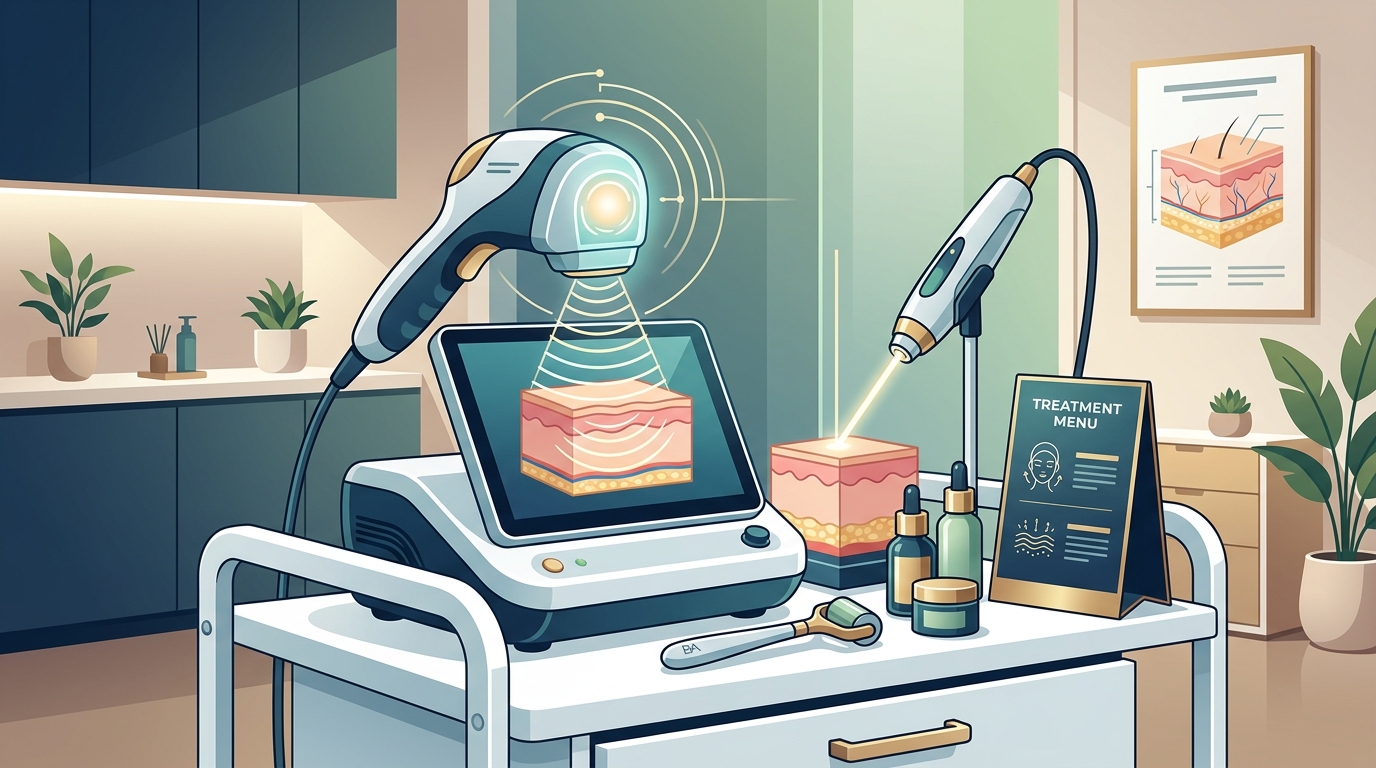
While HIFU is a dominant player, it is not the only non-surgical option. Understanding the difference between laser and ultrasound technologies is crucial for selecting the right treatment. Laser treatments primarily work on the skin's surface and upper dermis, making them ideal for texture, pigmentation, and fine lines. In contrast, ultrasound penetrates deeper, making it superior for structural lifting and tightening.
Alastin and Advanced Skincare
For those seeking non-invasive results, combining energy-based treatments with advanced skincare can enhance outcomes. The Alastin Ultraformer HIFU Non-Surgical Natural Face Lift protocol often incorporates Alastin's proprietary TriHexa Technology. This technology supports the body's natural healing process by providing the necessary building blocks for new collagen and elastin formation. Research indicates that patients using Alastin products alongside HIFU treatments experience faster recovery times and more pronounced lifting effects compared to those who do not.
Other Modalities
Beyond HIFU, other non-surgical options include radiofrequency (RF) microneedling and LED light therapy. RF microneedling combines the benefits of needling with heat energy to tighten skin and improve texture. Meanwhile, LED Light Therapy uses specific wavelengths of light to reduce inflammation and stimulate cellular repair. Each modality has its own set of indications and contraindications, making a professional consultation essential.
Sydney Medispa Services
Sydney has become a global hub for aesthetic medicine, with clinics offering a wide range of non-surgical treatments. The city's regulatory environment ensures that practitioners adhere to strict safety standards, providing patients with confidence in their care. Clinics in Sydney CBD and Brookvale are particularly known for their luxury service offerings and advanced technology.
Bespoke Luxury Facials
For individuals who prefer a more holistic approach, bespoke luxury facials offer a non-surgical alternative for immediate glow and hydration. These treatments often include manual lymphatic drainage, extractions, and the application of high-potency serums. While they do not provide the structural lifting of HIFU, they are excellent for maintaining skin health and complementing other treatments.
Pigmentation and Rosacea Management
Non-surgical treatments also address skin discoloration and vascular issues. The Circadia Alma Harmony Face Pigmentation & Radiance Reset is designed to target dark spots and uneven skin tone. Similarly, treatments for Rosacea help reduce redness and inflammation, improving the overall appearance of the skin. These services are often performed in conjunction with lifting treatments to ensure comprehensive facial rejuvenation.
Treatment Comparison Matrix
Choosing the right non-surgical face lift depends on your specific concerns, budget, and tolerance for downtime. The following table compares the most common modalities available at premium medispa clinics.
| Treatment Type | Primary Mechanism | Best For | Downtime | Duration of Results |
|---|---|---|---|---|
| HIFU | Ultrasound Energy | Skin Tightening & Lifting | Minimal | 12-18 Months |
| Alastin HIFU | Ultrasound + Peptides | Enhanced Collagen Production | Minimal | 12-18 Months |
| Bespoke Facial | Manual & Topical | Glow & Hydration | None | 1-2 Weeks |
| LED Therapy | Light Wavelengths | Inflammation & Repair | None | Variable |
| Pigmentation Reset | Laser/Peel | Dark Spots & Tone | Moderate | 6-12 Months |
Key Takeaways
- HIFU is a leading non-surgical lift: It uses focused ultrasound to target the SMAS layer, stimulating collagen for a natural lifting effect without surgery.
- Alastin enhances results: Combining HIFU with Alastin's TriHexa Technology can accelerate healing and improve the quality of new collagen formation.
- Targeted treatments exist: Specific protocols like HIFU Eye Lifting and HIFU Double Chin address localized concerns with precision.
- Sydney is a global hub: Clinics in Sydney CBD and Brookvale offer world-class medispa services with advanced technology and luxury care.
- Consultation is critical: A professional skin analysis is necessary to determine the best treatment plan for your unique skin type and aging concerns.
- Preventative care matters: Starting non-surgical treatments in your 30s can help maintain skin elasticity and delay the need for more invasive procedures.
- Results are gradual: Unlike surgery, non-surgical lifts require time for collagen to rebuild, with peak results appearing 3-6 months post-treatment.
Frequently Asked Questions
Is HIFU painful?
Most patients describe the sensation as a brief, warm prickling or tingling. Modern HIFU devices often include cooling mechanisms to minimize discomfort. Topical anesthetics can be applied before the procedure to further enhance comfort.
How long do non-surgical face lift results last?
Results typically last between 12 to 18 months, depending on the individual's skin biology and lifestyle factors. Maintenance treatments are often recommended to sustain the lifting effects over time.
Can HIFU be used on all skin types?
HIFU is generally safe for most skin types, but it may not be suitable for individuals with severe skin laxity or certain medical conditions. A consultation with a qualified practitioner is essential to determine eligibility.
What is the difference between HIFU and radiofrequency?
HIFU uses ultrasound energy to target deeper tissue layers, making it ideal for lifting. Radiofrequency (RF) uses heat energy to tighten skin and improve texture, but it does not reach the same depth as HIFU.
Are there any side effects?
Common side effects include temporary redness, swelling, and mild tenderness. These usually resolve within a few hours to a few days. Rare side effects may include bruising or numbness.
How does Alastin HIFU differ from standard HIFU?
Alastin HIFU incorporates Alastin's proprietary peptides into the treatment protocol. These peptides provide the building blocks for new collagen and elastin, potentially enhancing the lifting and tightening effects of the ultrasound energy.
Is a skin analysis required before treatment?
Yes, a comprehensive skin analysis is crucial to assess skin thickness, elasticity, and overall health. This ensures that the treatment plan is tailored to your specific needs and minimizes the risk of adverse effects.
Book Your Consultation
Ready to explore the benefits of non-surgical facial rejuvenation? Schedule a consultation with the experts at Beauty Affairs to discuss your goals and determine the best treatment plan for you. Visit our Medispa Services page to learn more about our HIFU, laser, and skincare offerings. Take the first step toward a more youthful, radiant you today.