
What are the biggest differences in pricing between luxury skincare brands?
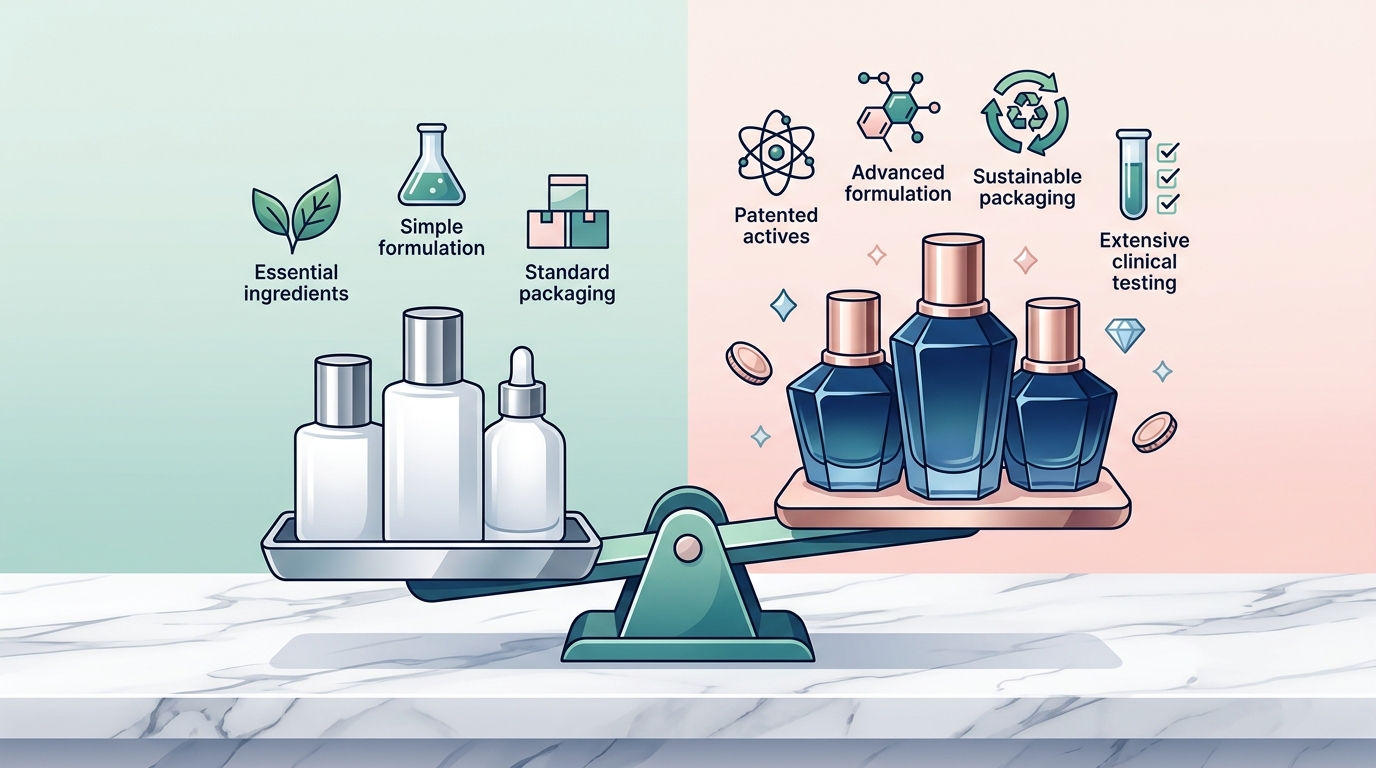
The biggest differences in pricing between luxury skincare brands stem from ingredient sourcing, formulation complexity, and brand positioning. Premium brands often charge more for patented actives, sustainable packaging, and clinical testing. Understanding these factors helps consumers evaluate value beyond the sticker price. Beauty Affairs curates these luxury lines to help Australian shoppers navigate the market effectively.
Ingredient Sourcing and Formulation Costs
High-end skincare brands frequently invest in proprietary ingredients that drive up production costs. For example, brands utilizing rare botanical extracts or advanced peptides often price their serums significantly higher than mass-market alternatives. This investment ensures higher purity and efficacy, which justifies the premium price point for discerning consumers. For additional details, review the .
The formulation process itself is a major cost driver. Luxury brands often employ smaller batch sizes to maintain ingredient integrity. This approach contrasts with mass production methods that prioritize volume over precision. As a result, the cost per milliliter is higher, reflecting the meticulous attention to detail in the final product. For additional details, review the Customer Experience.
Brand Positioning and Marketing Expenditure
Consumers often pay a premium for the brand story and the perceived status associated with the product. This marketing overhead is baked into the retail price. While this does not always correlate directly with product performance, it influences the overall value proposition for luxury buyers. For additional details, review the Frequently Asked Questions.
Packaging and Sustainability Factors
Packaging is a significant differentiator in luxury skincare pricing. Premium brands often use glass, aluminum, or recyclable materials that are more expensive than standard plastic. These choices align with sustainability goals and enhance the unboxing experience, which is a key part of the luxury appeal. For additional details, review the About.
Sustainable practices, such as carbon-neutral shipping or refillable containers, also add to the cost. Brands that prioritize environmental responsibility often reflect these investments in their pricing. This trend is increasingly important to Australian consumers who value ethical beauty practices.
Clinical Testing and Efficacy Validation
Key Takeaways
- Ingredient sourcing and formulation complexity are primary drivers of luxury skincare pricing.
- Brand positioning and marketing expenditure significantly influence retail prices.
- Packaging quality and sustainability practices add to the overall cost of luxury products.
- Clinical testing and efficacy validation justify premium pricing through scientific evidence.
- Consumers should evaluate value based on ingredients, testing, and brand ethos, not just price.
Frequently Asked Questions
Why are luxury skincare brands so expensive?
Luxury skincare brands are expensive due to high-quality ingredients, rigorous testing, premium packaging, and significant marketing investments.
Do expensive skincare products work better?
Not always, but luxury brands often use higher concentrations of active ingredients and undergo more rigorous clinical testing, which can lead to better results.
How can I compare luxury skincare brands effectively?
Compare ingredient lists, clinical trial data, and brand sustainability practices to evaluate the true value of each product. Learn more: Top Australian Beauty Products.