
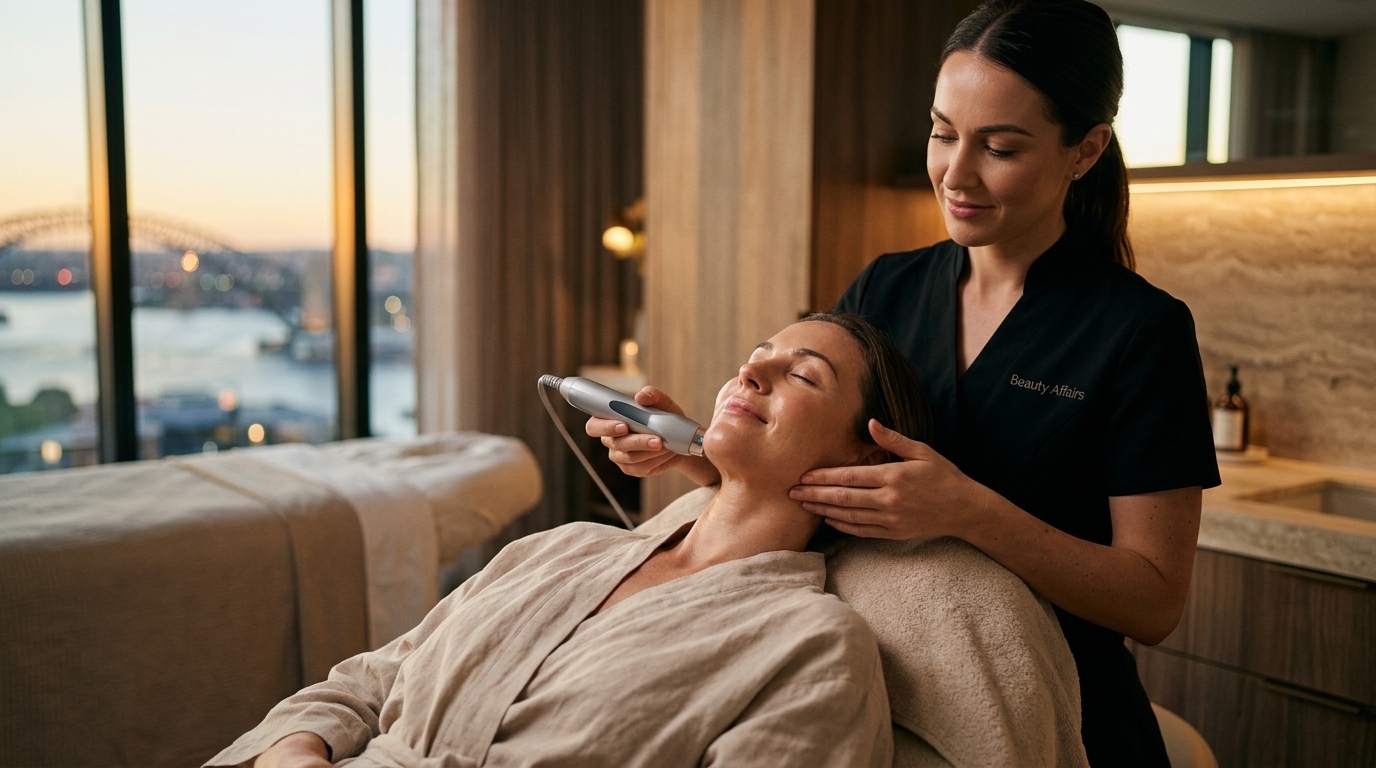
Non-surgical skin tightening in Sydney involves using energy-based devices to stimulate collagen without incisions. Beauty Affairs offers these advanced medispa treatments across Sydney clinics. This guide covers HIFU, radiofrequency, RF microneedling, and laser collagen stimulation. You will learn how each technology works, who it suits, and what to expect.
HIFU Treatments
How HIFU Works
HIFU devices emit focused ultrasound waves that pass through the upper skin layers without causing damage. The energy concentrates at precise depths, typically 1.5mm, 3.0mm, or 4.5mm. This precision allows practitioners to treat specific areas like the jawline, brow, or neck. The heat creates micro-injury zones that initiate neocollagenesis. This process is gradual, with results becoming visible over three to six months. For additional details, review the .
Who Is a Candidate for HIFU?
HIFU is ideal for individuals experiencing mild to moderate skin laxity. It is often recommended for patients in their 30s, 40s, or 50s who want a lift without surgery. The treatment is suitable for all skin types and tones. It is particularly effective for defining the jawline and lifting the brow. Patients with severe sagging may require a combination of treatments or surgical intervention. For additional details, review the Customer Experience.
Radiofrequency Skin Tightening
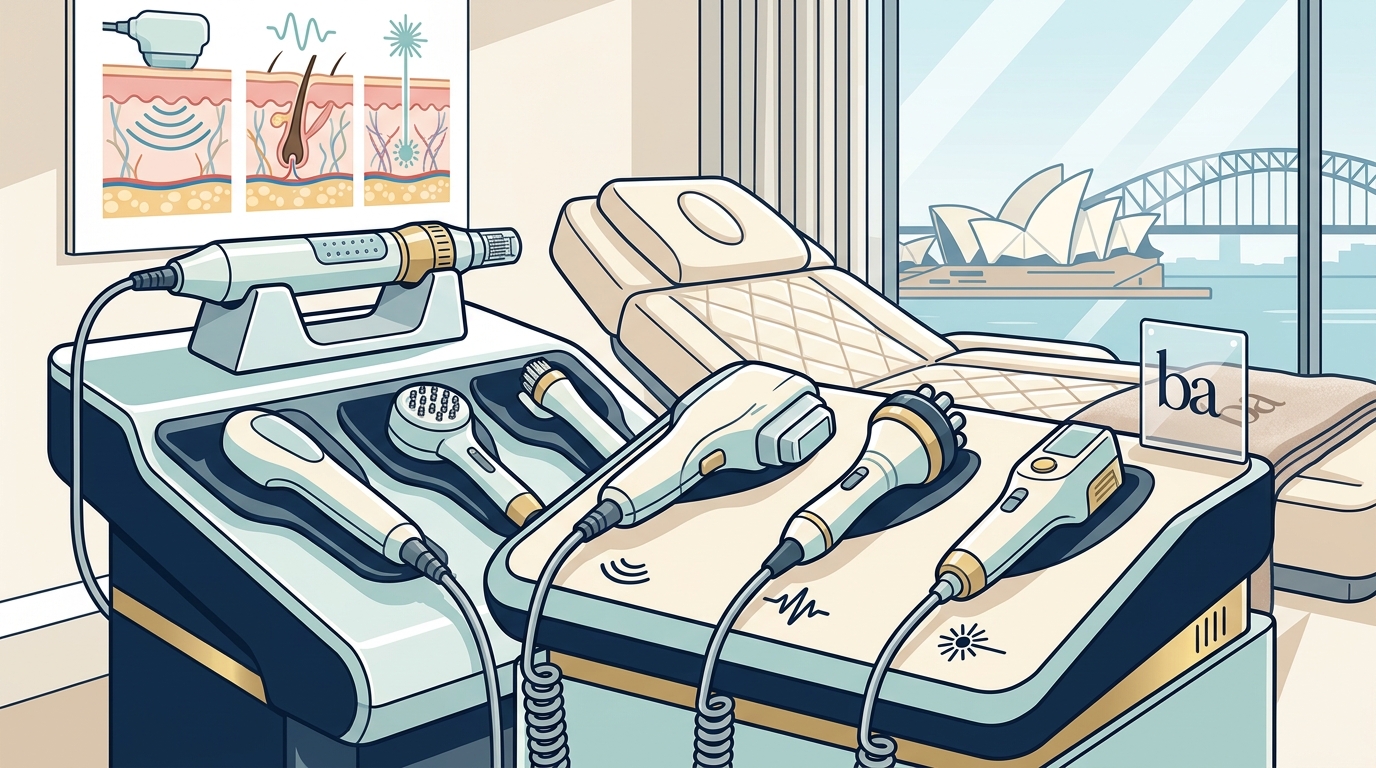
The Mechanism of Action
RF devices deliver heat to the dermis, raising the temperature to between 40 and 45 degrees Celsius. This temperature range is safe for the epidermis but sufficient to stimulate fibroblasts. Fibroblasts are the cells responsible for producing collagen and elastin. As the skin cools, the collagen fibers contract, providing an immediate tightening effect. Over time, new collagen production continues, leading to sustained improvement. For additional details, review the Frequently Asked Questions.
Areas Treated
RF skin tightening is versatile and can be applied to the face, neck, and body. It is commonly used for the face, neck, and décolletage. It is also effective for body areas like the abdomen, arms, and thighs. The treatment is non-invasive and requires no downtime. Patients can return to their daily activities immediately after the session. For additional details, review the About.
RF Microneedling
Needle Depth and Energy Delivery
The depth of the needles can be adjusted based on the treatment area and patient comfort. Typical depths range from 0.5mm to 3.5mm. The RF energy is delivered through the needles, ensuring that the heat is concentrated in the dermis. This targeted delivery minimizes surface damage and reduces downtime. The treatment is often described as feeling like a warm prickling sensation.
Benefits of RF Microneedling
RF microneedling is highly effective for skin tightening and texture improvement. It is particularly useful for treating acne scars, fine lines, and enlarged pores. The treatment also improves skin tone and elasticity. Because it is minimally invasive, it is suitable for patients who want more aggressive results than RF alone but less downtime than surgery. Results are typically visible within a few weeks, with continued improvement over several months.
Laser Collagen Stimulation
Types of Lasers Used
Several types of lasers are used for collagen stimulation. Fractional non-ablative lasers, such as 1550nm erbium-doped fiber lasers, are commonly used. These lasers create microscopic columns of thermal injury in the dermis while leaving the surrounding skin intact. This pattern promotes rapid healing and collagen remodeling. Other lasers, such as 1927nm thulium lasers, are also effective for skin resurfacing and tightening.
Recovery and Results
Recovery time depends on the type of laser used. Non-ablative lasers typically require minimal downtime, with redness lasting a few days. Ablative lasers require a longer recovery period, often one to two weeks. Results from laser collagen stimulation are gradual, with significant improvement seen over three to six months. Multiple sessions are often recommended for optimal results. The treatment is suitable for all skin types, but darker skin tones may require specific laser settings to avoid pigmentation changes.
Treatment Comparison
The following table summarizes the key differences between the four non-surgical skin tightening treatments available at Beauty Affairs.
| Treatment | Technology | Depth of Treatment | Downtime | Primary Benefit |
|---|---|---|---|---|
| HIFU | Ultrasound | Deep (SMAS layer) | None | Structural Lift |
| Radiofrequency | Electromagnetic | Superficial to Mid-Dermis | None | Firmness and Texture |
| RF Microneedling | Needles + RF | Mid-Dermis | 1-3 Days | Collagen Remodeling |
| Laser | Light Energy | Epidermis to Dermis | 1-7 Days | Resurfacing and Tightening |
Key Takeaways
- HIFU targets the deep SMAS layer for a structural lift without surgery.
- Radiofrequency skin tightening improves firmness and texture with no downtime.
- RF microneedling combines mechanical and thermal energy for significant collagen remodeling.
- Results from all treatments are gradual, with full benefits visible over three to six months.
- Multiple sessions are often recommended for optimal and sustained results.
- Consultation with a qualified practitioner is essential to determine the best treatment for your skin type and concerns.
Frequently Asked Questions
How long do the results of non-surgical skin tightening last?
Results typically last one to two years, depending on the treatment and individual aging process. Maintenance sessions are recommended to sustain the results. The longevity of the results depends on factors such as sun exposure, lifestyle, and genetics.
Is non-surgical skin tightening painful?
Most treatments are well-tolerated. HIFU and RF skin tightening may cause a warm sensation. RF microneedling and laser treatments may cause mild discomfort, but topical numbing cream is often used to manage pain. Pain levels vary by individual and treatment area.
How many sessions are needed for optimal results?
The number of sessions depends on the treatment and individual response. HIFU often requires one session per year. RF skin tightening and laser treatments may require three to six sessions. RF microneedling typically requires three to five sessions. Your practitioner will recommend a personalized treatment plan.
Can I combine different skin tightening treatments?
Yes, combining treatments can enhance results. For example, HIFU can be combined with RF microneedling for both lifting and texture improvement. However, treatments should be spaced appropriately to allow for healing. Consult with your practitioner to develop a safe and effective combination plan.
Are there any side effects of non-surgical skin tightening?
Who should avoid non-surgical skin tightening?
Individuals with active skin infections, open wounds, or certain medical conditions should avoid these treatments. Pregnant or breastfeeding women should also avoid energy-based treatments. A thorough medical history review is conducted during the consultation to ensure safety.
Conclusion
Non-surgical skin tightening offers effective alternatives to surgery for improving skin firmness and contour. Beauty Affairs provides access to these advanced medispa treatments across Sydney. Whether you choose HIFU, radiofrequency, RF microneedling, or laser collagen stimulation, a personalized consultation is the first step. Visit Beauty Affairs to book your assessment and discover the right treatment for your skin goals. Learn more: Top Australian Beauty Products.