
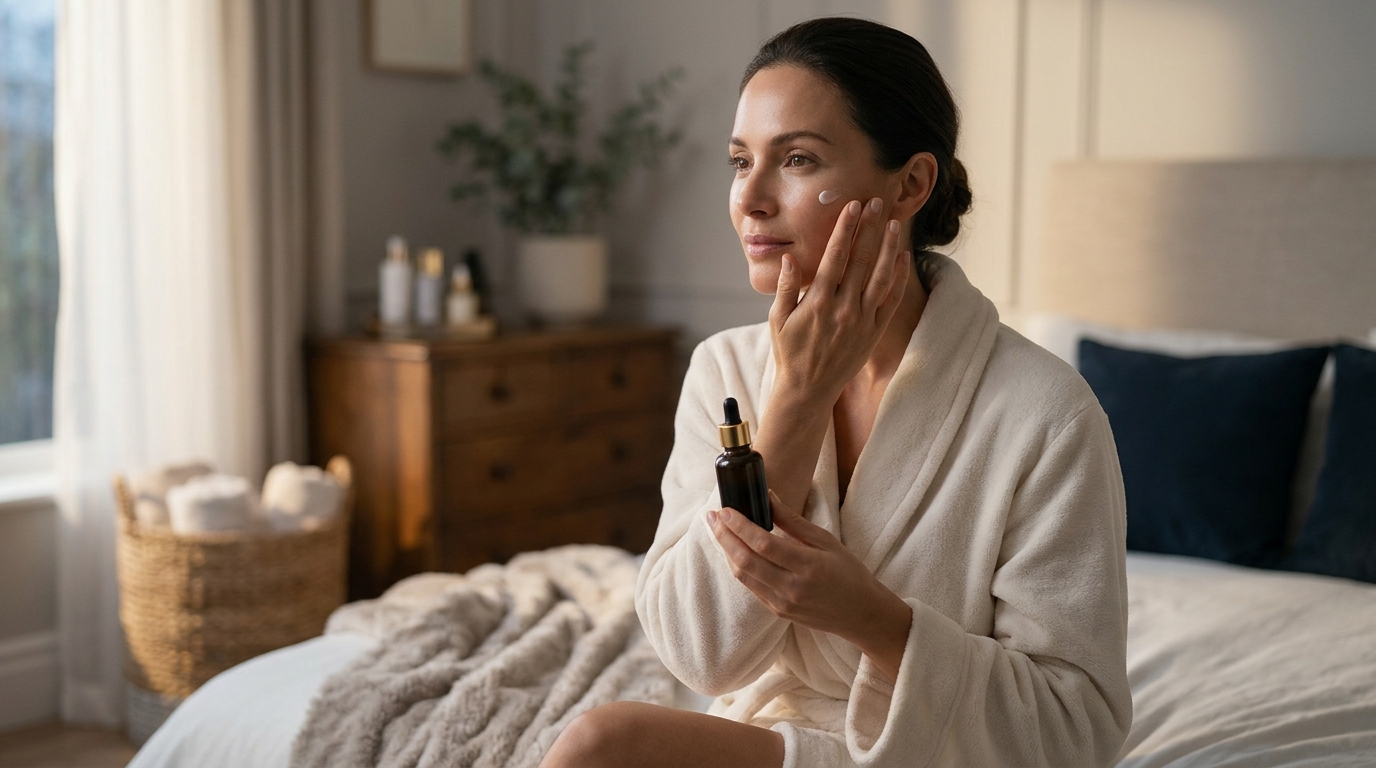
Retinol is a gold-standard ingredient for reducing the appearance of fine lines and wrinkles. It works by accelerating cell turnover and stimulating collagen production, which helps smooth skin texture over time. For those new to this potent active, understanding the correct introduction method is critical to avoiding irritation. This guide outlines the essential steps for safely integrating retinol into your routine to achieve visible results without compromising your skin barrier. For additional details, review the Get Your Beauty Affairs.
The Science of Retinol and Collagen
Retinol is a form of vitamin A that converts into retinoic acid within the skin. This conversion process is what drives the biological changes necessary for anti-aging. When applied topically, retinol signals fibroblasts to produce more collagen and elastin. These structural proteins provide the skin with its firmness and elasticity. As we age, collagen production naturally declines, leading to the formation of fine lines. By boosting this production, retinol helps restore a plumper, smoother appearance. For additional details, review the Customer Experience.
The evidence supporting retinol is extensive. Dermatologists have long recommended it as a first-line treatment for photoaging. It does not just mask wrinkles; it actively remodels the skin structure. However, this biological activity comes with a trade-off. The increased cell turnover can initially lead to dryness and sensitivity. Understanding this mechanism helps set realistic expectations for the first few weeks of use. For additional details, review the Frequently Asked Questions.
How to Introduce Retinol Safely
The most common mistake when starting retinol is applying it too frequently or at too high a concentration. A gradual introduction allows your skin to build tolerance. Begin by applying a pea-sized amount to dry skin once or twice a week. This low frequency minimizes the risk of irritation while still providing the benefits. As your skin adapts over four to six weeks, you can slowly increase the frequency to every other night, and eventually to nightly use.
Timing matters significantly. Retinol should often be applied at night. It can make skin more sensitive to the sun, and some forms degrade in daylight. Applying it to completely dry skin is also a best practice. If your skin is damp, the ingredient may penetrate too quickly, causing unnecessary stinging. Waiting ten minutes after cleansing ensures a stable base for application. This careful approach is the foundation of a successful retinol regimen.
Managing Irritation and Dryness
Buffering is another effective strategy. You can apply a layer of moisturizer before the retinol. This dilutes the impact of the active ingredient. It is a useful technique for those with sensitive skin. Remember that irritation is not a sign of efficacy. A red, peeling face is not a good face. The goal is consistent, comfortable use. If you experience persistent burning or severe redness, discontinue use and consult a dermatologist. Patience is key to long-term success.
Pairing Retinol with Other Skincare
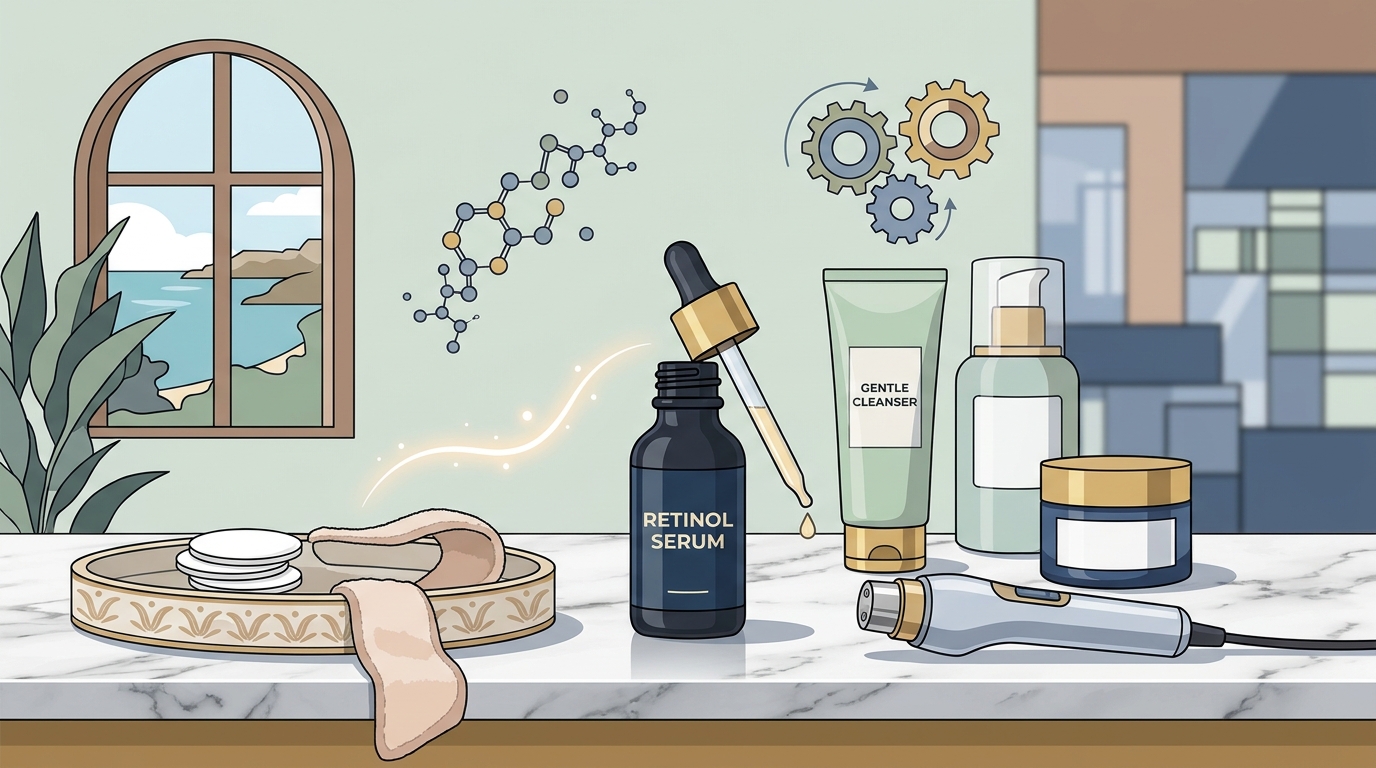
Retinol works best when paired with the right supporting products. Hyaluronic acid is an excellent companion. It provides hydration without interfering with the retinol's action. You can apply hyaluronic acid serum before the retinol to create a hydrated base. Avoid using other strong exfoliants like AHAs or BHAs on the same night as retinol. Combining these can overwhelm the skin barrier and lead to significant irritation. Stick to gentle cleansers and hydrating serums during your retinization phase.
Sunscreen is non-negotiable. Because retinol increases cell turnover, your skin becomes more vulnerable to UV damage. Daily use of a broad-spectrum SPF 30 or higher is essential. This protects the new collagen you are building. Without sun protection, the benefits of retinol can be negated by ongoing photoaging. Make sunscreen the final step of your morning routine. It is among the most important anti-aging product you can own.
Setting Realistic Expectations
Retinol is not an overnight fix. It requires consistency and time to show visible results. Most people begin to notice improvements in skin texture and tone after eight to twelve weeks. Deeper wrinkles may take longer to soften. Consistency is more important than intensity. Using a lower concentration regularly is better than using a high concentration sporadically. Track your progress with photos to see subtle changes that might be missed in the mirror.
At Beauty Affairs, we understand the importance of a well-curated routine. Our selection includes high-quality retinol products designed for various skin types. We also offer professional medispa services in Sydney that can complement your at-home care. If you are unsure where to start, our team can guide you through the process. The right product, used correctly, can make a significant difference in your skin's health and appearance.
Key Takeaways
- Retinol is a vitamin A derivative that boosts collagen and accelerates cell turnover.
- Start slowly by applying retinol once or twice a week to build tolerance.
- Always apply retinol at night to dry skin to minimize irritation.
- Avoid combining retinol with other strong exfoliants like AHAs or BHAs.
- Daily sunscreen is essential to protect skin while using retinol.
- Visible results typically take eight to twelve weeks of consistent use.
Frequently Asked Questions
How long does it take to see results from retinol?
Most users notice improvements in skin texture and tone within eight to twelve weeks. Deeper wrinkles may take longer to show significant change. Consistency is the most important factor in achieving results.
Can I use retinol if I have sensitive skin?
Yes, but you should start with a lower concentration and apply it less frequently. Buffering with a moisturizer can also help reduce irritation. If you experience severe discomfort, consult a dermatologist.
Should I apply retinol before or after moisturizer?
For most people, applying retinol to dry skin before moisturizer is best. If you have sensitive skin, you can apply moisturizer first to buffer the retinol. This technique helps reduce potential irritation.
Is retinol safe to use during pregnancy?
No, retinol and other vitamin A derivatives are generally not recommended during pregnancy or breastfeeding. It is best to consult your healthcare provider for safe alternatives during this time.
How much retinol should I use?
A pea-sized amount is sufficient for the entire face. Using more does not speed up results and can increase the risk of irritation. Start with a small amount and adjust only if necessary.