
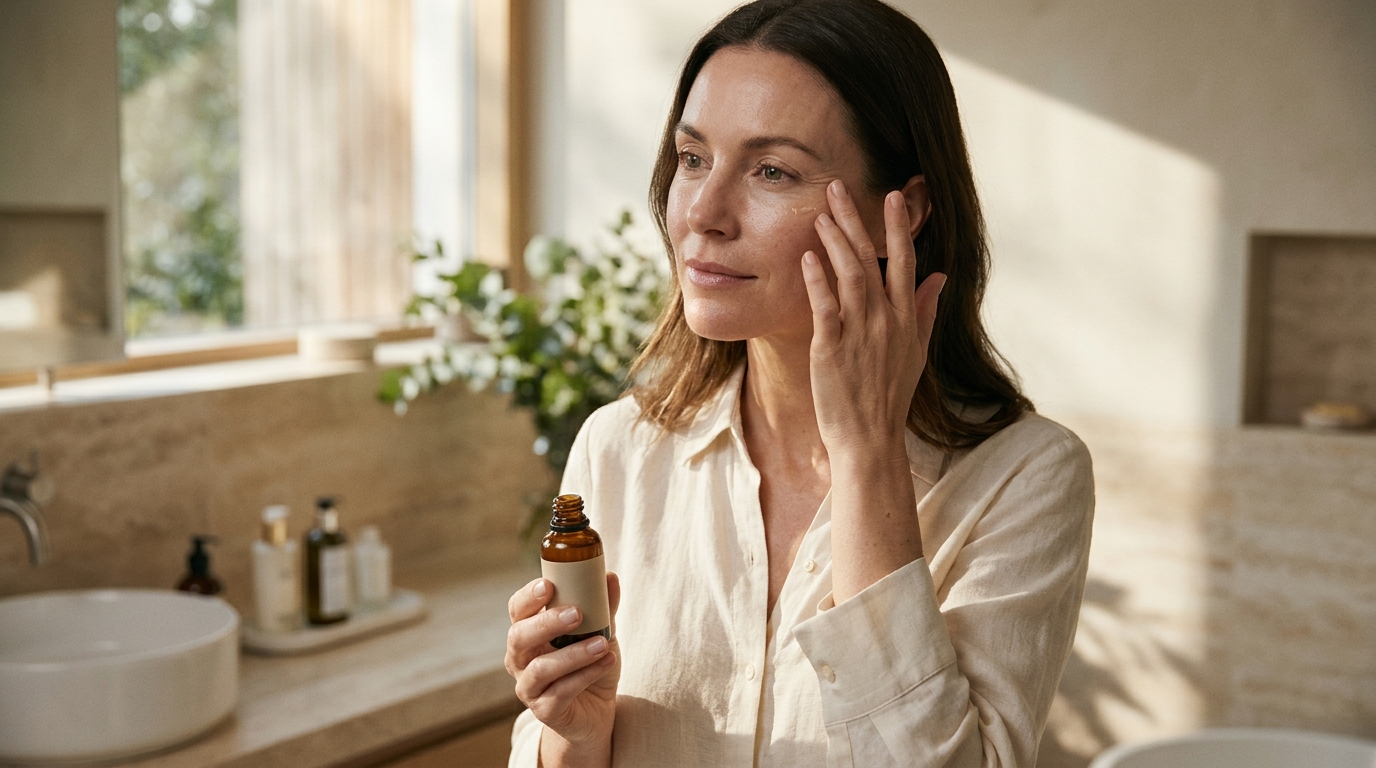
Yes, retinoids are the gold standard for treating fine lines and wrinkles. They are the only topical ingredients with decades of clinical evidence proving they can stimulate collagen production and accelerate cell turnover. At Beauty Affairs, we recommend retinoids as a cornerstone of any serious anti-aging routine because they address the root causes of skin aging rather than just masking symptoms.
What Are Retinoids and How Do They Work?
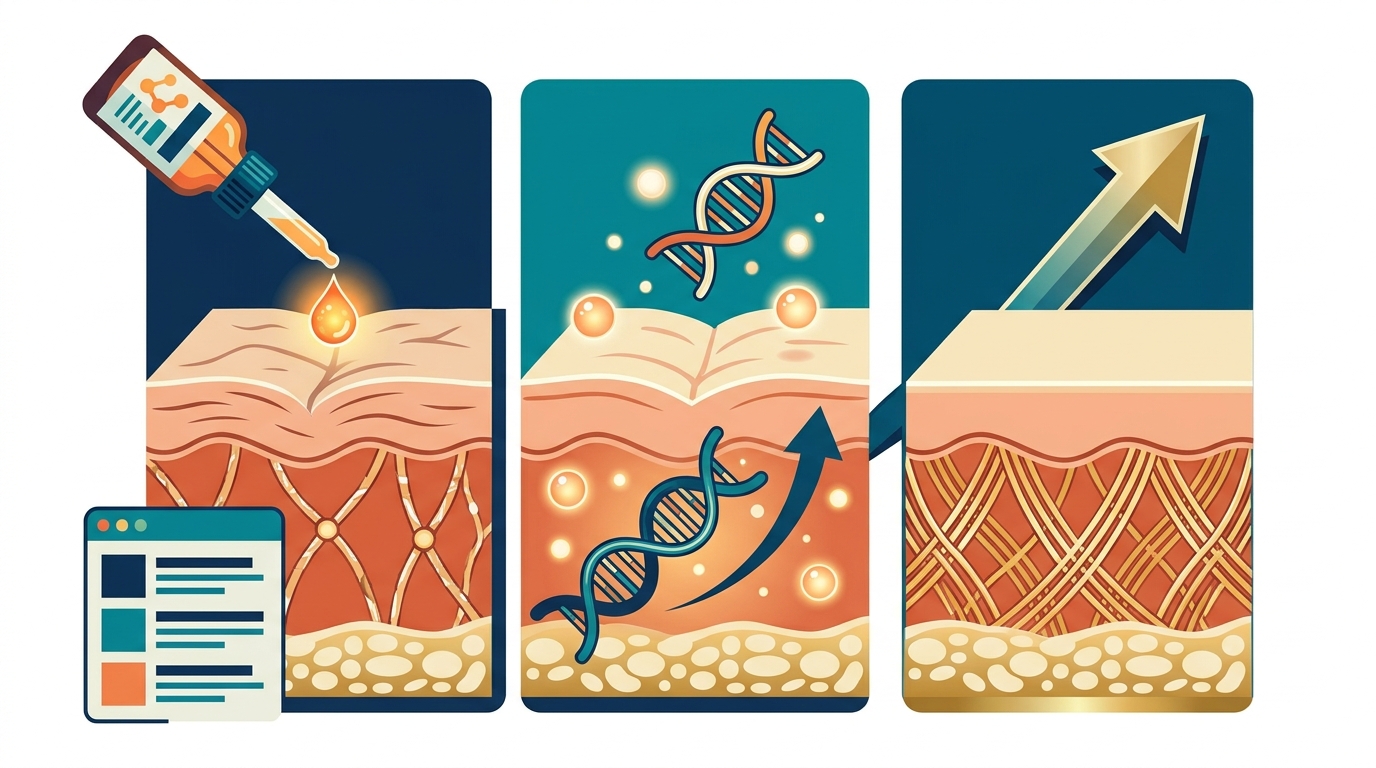
Retinoids is a class of compounds derived from vitamin A that interact directly with skin cells. They work by binding to specific receptors in the skin, signaling the body to produce more collagen and elastin. This process thickens the dermis, the layer of skin beneath the surface, which helps plump up fine lines.
There are two main types: prescription-strength retinoids and over-the-counter retinols. Prescription options like tretinoin are more potent and act faster. Over-the-counter retinols are milder and require consistent use over several months to show results. Understanding this difference is crucial for setting realistic expectations.
For those new to the category, starting with a lower concentration is key. This allows your skin to build tolerance without excessive irritation. Advanced skincare treatments often include retinoids because of their proven ability to improve skin texture and tone over time.
The Clinical Evidence Behind Retinoids
The efficacy of retinoids is not based on marketing hype but on rigorous scientific studies. Multiple clinical trials have demonstrated that retinoids significantly reduce the depth of wrinkles. They also improve the appearance of sun damage and uneven skin tone. according to Retinoids in the
One key mechanism is among the acceleration of cell turnover. As we age, our skin cells slow down. Retinoids speed this process up, helping to shed dull, dead cells faster. This reveals fresher, brighter skin underneath. The result is a smoother complexion with fewer visible lines.
Research also shows that retinoids can help with hyperpigmentation. By speeding up cell turnover, they help fade dark spots more quickly. This dual action makes them a powerful tool for overall skin rejuvenation. If you are looking for antioxidant skincare, combining it with retinoids can enhance protection against environmental damage. according to Retinoids in the
Retinol vs. Tretinoin: Which Should You Choose?
Choosing between retinol and tretinoin depends on your skin's sensitivity and your goals. Retinol is a precursor to retinoic acid, which is the active form. Your skin must convert retinol into retinoic acid, which can be a slower process. Tretinoin is already in its active form, so it works faster and more efficiently.
For beginners, retinol is often the safer starting point. It is less likely to cause severe irritation. However, if you have stubborn wrinkles or significant photoaging, tretinoin may be more effective. Always consult a dermatologist before starting a prescription retinoid.
At Beauty Affairs, we carry a range of retinoid products suitable for different skin types. Whether you prefer a gentle serum or a potent cream, there is an option for you. Our team can help you find the right strength for your skin.
How to Use Retinoids Effectively
Using retinoids correctly is essential to avoid irritation. Always apply them at night, as they can make your skin more sensitive to the sun. Start by using them two to three times a week. Gradually increase the frequency as your skin adjusts.
Apply a pea-sized amount to dry skin. Avoid the eye area and corners of the mouth, as these areas are more sensitive. Follow up with a moisturizer to lock in hydration. This helps counteract any dryness or flaking that may occur.
Consistency is key. It can take three to six months to see significant results. Do not expect overnight changes. If you experience severe irritation, reduce the frequency of use. You can also try the "sandwich method," applying moisturizer before and after the retinoid. For more tips, explore our beauty blog for expert advice.
Common Mistakes to Avoid
One of the most common mistakes is using too much product. More is not better when it comes to retinoids. A small amount is sufficient to cover the entire face. Using too much can lead to excessive irritation and peeling.
Another mistake is skipping sunscreen. Retinoids increase sun sensitivity, making it essential to wear broad-spectrum SPF every day. Without proper sun protection, you can undo the benefits of your retinoid routine. This is a critical step that many people overlook.
Finally, do not mix retinoids with other strong exfoliants like AHAs or BHAs at the same time. This can overwhelm your skin barrier. Stick to one active ingredient at a time. If you are interested in AHA skincare, use it on nights when you do not apply retinoids.
Key Takeaways
- Retinoids are the only topical ingredients with proven clinical evidence for reducing wrinkles.
- They work by stimulating collagen production and accelerating cell turnover.
- Prescription retinoids like tretinoin are more potent than over-the-counter retinols.
- Start with a low concentration and gradually increase usage to build tolerance.
- Always use sunscreen during the day when using retinoids.
- Consistency is crucial; results take three to six months to become visible.
- Avoid mixing retinoids with other strong exfoliants to prevent irritation.
Frequently Asked Questions
How long does it take to see results from retinoids?
It typically takes three to six months of consistent use to see significant improvements in fine lines and wrinkles. Initial changes in texture may be noticed within a few weeks.
Can I use retinoids if I have sensitive skin?
Yes, but start with a lower concentration and use it less frequently. Look for products formulated for sensitive skin. Always patch test before applying to your entire face.
Do retinoids cause breakouts?
Some people experience a temporary "purging" phase where existing clogged pores clear out. This is usually short-lived. If you have persistent breakouts, consult a dermatologist.
Can I use retinoids during pregnancy?
No, retinoids are not recommended during pregnancy or breastfeeding. They can pose risks to the developing baby. Consult your doctor for safe alternatives.
What is the best time of day to use retinoids?
Retinoids should be used at night. They can break down in sunlight and increase sun sensitivity. Use them as part of your evening skincare routine.
Can I use retinoids with other active ingredients?
It is best to avoid mixing retinoids with other strong actives like AHAs or BHAs. Use them on separate nights to prevent irritation. You can combine them with gentle hydrators and antioxidants.